

Our Products

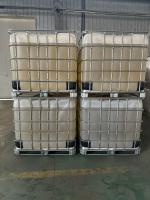
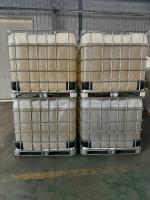
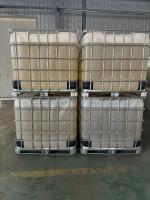
coagulant / polyamine chemical for sludge dewatering applications|polyamine HS:3402410000
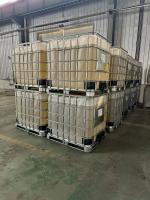
1. Introduction to Polyamine Chemical for Sludge Dewatering
Polyamine chemical is a cationic organic polymer widely used in water treatment, wastewater clarification, and sludge conditioning. In sludge dewatering applications, polyamine can help destabilize fine suspended particles, improve sludge aggregation, and facilitate the separation of water from solids.
Sludge generated by municipal wastewater treatment plants, industrial wastewater facilities, paper mills, food processing plants, and mining operations often contains a high proportion of water. Removing this water is essential for reducing sludge volume, lowering transportation costs, improving handling efficiency, and supporting subsequent disposal or treatment.
However, sludge particles frequently carry negative surface charges that prevent them from aggregating naturally. Polyamine chemical for sludge dewatering works primarily through charge neutralization, reducing electrostatic repulsion between particles and promoting their aggregation.
Depending on sludge characteristics, polyamine can be used as a primary conditioning agent or combined with cationic polyacrylamide (CPAM) to improve dewatering performance. Selecting the right chemical requires evaluating sludge composition, polymer properties, equipment type, and operating conditions.
2. How Does Polyamine Work in Sludge Dewatering?
The main mechanism of polyamine in sludge dewatering is charge neutralization. Many sludge particles contain negatively charged surfaces because of organic matter, microbial cells, extracellular polymeric substances, and fine inorganic particles.
When polyamine is added to sludge, its positively charged functional groups interact with these negatively charged surfaces. This interaction reduces electrostatic repulsion and allows fine particles to aggregate into larger structures.
The resulting aggregates may release some of the water previously trapped between particles, making subsequent mechanical dewatering easier.
Polyamine can also improve the conditioning of certain colloidal sludges by promoting particle association. However, its performance depends on the specific polymer structure, molecular weight, charge density, and sludge chemistry.
It is important to distinguish polyamine from polyacrylamide. Polyamine is generally used as a cationic coagulant, whereas high-molecular-weight cationic polyacrylamide is commonly used to create larger flocs through polymer bridging. In some sludge dewatering systems, a combination of polyamine and polyacrylamide can provide better results than either chemical alone.
3. Major Applications of Polyamine for Sludge Dewatering
3.1 Municipal Wastewater Treatment Sludge
Municipal wastewater treatment plants generate primary sludge, waste activated sludge, and mixed biological sludge. These materials often contain fine organic particles and microorganisms that retain substantial quantities of water.
Polyamine can help destabilize suspended particles and improve sludge conditioning before mechanical dewatering. Depending on the sludge characteristics, it may be applied before a centrifuge, belt filter press, or filter press.
Potential benefits include improved solids aggregation, better filtrate clarity, and reduced loading on downstream equipment. However, polyamine alone may not produce sufficient floc size for every municipal sludge. Cationic polyacrylamide is frequently evaluated as an alternative or complementary treatment chemical.
3.2 Industrial Wastewater Sludge
Industrial wastewater sludge varies significantly according to the manufacturing process. It may contain organic residues, inorganic precipitates, pigments, fillers, oils, or fine suspended solids.
Polyamine chemical for sludge dewatering can be considered for sludge produced by chemical manufacturing, machinery processing, food production, textile finishing, and other industrial operations.
Its cationic charge can help aggregate negatively charged particles and improve the separation of solids from water. In some cases, combining polyamine with PAC or ferric salts during upstream treatment can also influence the characteristics of the resulting sludge.
A laboratory test should determine whether polyamine improves cake formation, filtrate quality, and overall treatment costs.
3.3 Paper and Pulp Mill Sludge
Paper mills produce sludge containing cellulose fibers, fines, mineral fillers, coating materials, and organic substances. These fine materials may be difficult to separate efficiently without chemical conditioning.
Polyamine can help neutralize the surface charges of suitable particles and improve aggregation before dewatering. It may be evaluated for use with belt filter presses, screw presses, and other mechanical separation equipment.
Where larger and stronger flocs are required, polyamine may be combined with an appropriate polyacrylamide flocculant. The treatment program should balance water release, cake solids, filtrate quality, and chemical consumption.
3.4 Food Processing Sludge
Food processing wastewater may contain proteins, fats, carbohydrates, suspended organic matter, and biological solids. The resulting sludge can have a high moisture content and variable dewatering characteristics.
Polyamine may improve the aggregation of suitable particles and support mechanical dewatering. Applications can include wastewater sludge from beverage production, meat processing, dairy operations, and other food manufacturing facilities.
For sludge containing substantial amounts of fats or oils, additional treatment or specialized conditioning chemicals may be necessary. Any product intended for food-related wastewater applications must be suitable for the intended process and comply with applicable regulatory requirements.
3.5 Mining and Mineral Processing Sludge
Mining wastewater treatment produces sludge containing fine mineral particles, clay, metal hydroxide precipitates, and other suspended solids.
Polyamine can help destabilize negatively charged particles in selected mineral sludges. It may be used before filtration or in combination with an appropriate polyacrylamide flocculant.
Potential applications include mineral processing wastewater sludge, ore washing residues, and certain tailings-related treatment streams. However, tailings thickening and sludge dewatering are not identical processes, and the required polymer may differ depending on the solids concentration and separation equipment.
For metal-containing sludge, chemical selection must also consider the possibility of contaminant release and the requirements for safe handling and disposal.
4. Advantages of Polyamine Chemical for Sludge Dewatering
Polyamine offers several potential advantages when the formulation matches the sludge characteristics.
Effective charge neutralization: Its cationic functional groups can reduce the electrostatic repulsion between negatively charged particles.
Improved particle aggregation: Suitable products can promote the formation of aggregates that are easier to separate from water.
Flexible application: Polyamine can be evaluated for municipal, industrial, paper mill, food processing, and selected mining sludges.
Compatibility with other treatment chemicals: Depending on product chemistry, polyamine may be combined with PAC, ferric salts, or polyacrylamide.
Potential operating benefits: Better sludge conditioning may improve filtrate clarity, equipment throughput, and handling characteristics.
Nevertheless, polyamine does not always increase final cake solids or reduce chemical consumption. Its performance must be demonstrated through testing under actual operating conditions.
5. How to Select the Right Polyamine for Sludge Dewatering
Selecting a suitable polyamine requires consideration of several important parameters.
-
Molecular weight: Influences polymer behavior, adsorption, and viscosity. Higher molecular weight does not automatically guarantee better dewatering.
-
Cationic charge density: Affects the ability to neutralize negatively charged sludge particles.
-
Solid content: Determines the active-polymer concentration and influences transportation, storage, and dosage calculations.
-
Viscosity: Affects pumping, dilution, and dosing equipment requirements.
-
Sludge type: Biological sludge, chemical sludge, and mineral sludge may respond differently to the same polymer.
-
Dewatering equipment: Centrifuges, belt presses, screw presses, and filter presses have different conditioning requirements.
-
Compatibility: Determine whether polyamine should be used alone or together with cationic polyacrylamide.
Suppliers should provide a technical data sheet, safety data sheet, recommended preparation procedures, and guidance on the intended application.
6. Dosage and Application Method
The optimum dosage of polyamine chemical for sludge dewatering depends on sludge solids concentration, particle characteristics, polymer concentration, and equipment type.
For preliminary screening, active-polymer dosages such as 10, 25, 50, 100, and 200 mg per liter of sludge may be evaluated where appropriate. These are illustrative test points, not universal recommendations. Actual dosages can fall outside this range, particularly for concentrated sludge.
A jar test or laboratory dewatering test should compare different dosages and, where appropriate, polyamine alone against polyacrylamide alone and combined treatment.
Important evaluation criteria include capillary suction time, specific resistance to filtration, filtrate turbidity, cake solids content, and the ease of releasing the cake from the equipment. For centrifuges, solids capture and centrate quality are also important.
The polymer should be added at a suitable mixing point to ensure adequate distribution without excessive shear. Overdosing can increase chemical costs and may worsen dewatering performance.
7. Polyamine vs. Cationic Polyacrylamide
Polyamine and cationic polyacrylamide are both useful in sludge treatment, but their mechanisms differ.
Polyamine primarily functions as a coagulant, neutralizing particle charges and destabilizing colloidal material. Cationic polyacrylamide generally provides stronger polymer bridging and can form larger flocs suitable for mechanical dewatering.
For some biological sludges, cationic polyacrylamide alone may be sufficient. For other sludges containing difficult colloidal particles, polyamine pretreatment followed by polyacrylamide flocculation may improve performance.
The best choice depends on sludge characteristics, dewatering equipment, treatment objectives, and total chemical cost per tonne of dry solids.
8. Conclusion
Polyamine chemical for sludge dewatering is a useful option for conditioning selected municipal and industrial sludges. By neutralizing negatively charged particles and promoting aggregation, it can support solid-liquid separation and improve the performance of downstream dewatering equipment.
Its applications include municipal sewage sludge, industrial wastewater sludge, paper mill sludge, food processing sludge, and selected mining residues.
To achieve reliable results, operators should select an appropriate polyamine formulation, optimize dosage through laboratory testing, and compare its performance with cationic polyacrylamide and other conditioning chemicals. Evaluating cake solids, filtrate quality, chemical consumption, and operating costs will help identify the most effective and economical sludge dewatering solution.