

Home > Product Center > coagulant
Our Products


coagulant
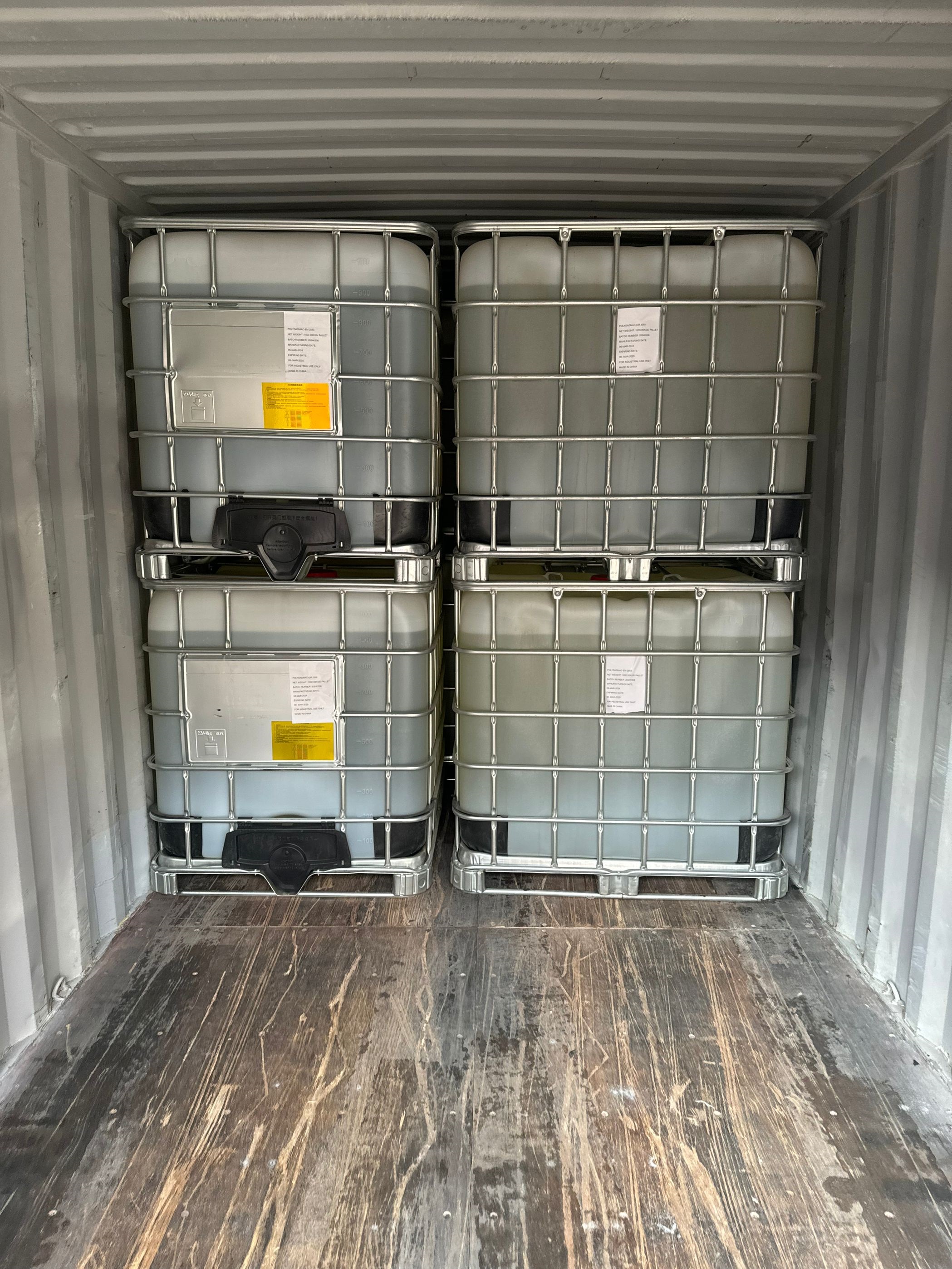
coagulant is a chemical agent used in water and wastewater treatment to remove suspended particles and impurities. It works by neutralizing the electrical charges on fine particles, which are usually negatively charged and repel each other. Once these charges are neutralized, the particles can come together to form small clumps called flocs. These flocs then grow larger and can be removed by sedimentation, flotation, or filtration. Common coagulants include aluminum salts, iron salts, and organic cationic polymers. Coagulants are widely used in drinking water treatment, industrial effluent treatment, and sludge conditioning processes.
Molecular formula:CH2CHCONH2 Properties:White crystals,colorless,toxic proportion:1.122(20/4) Melting:84-85°C Boiling point:99-104°C
Molecular formula:CH2CHCONH2 Properties:White crystals,colorless,toxic proportion:1.122(20/4) Melting:84-85°C Boiling point:99-104°C
Products Show
A polyamine water treatment chemical is a highly effective organic coagulant widely used for removing suspended solids, colloidal particles, color, oils, and other contaminants from water and wastewater.
High molecular weight polyamine for wastewater treatment is an effective liquid organic polymer used to improve coagulation, flocculation, clarification, and sludge separation in a wide range of industrial wastewater treatment processes.
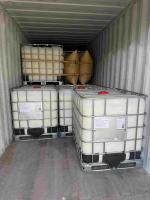
Polyamine for sludge dewatering centrifuge is increasingly used as an effective chemical conditioning solution for wastewater and sewage sludge dewatering.
201_small.jpg)
Polyamine coagulants are widely used in water and wastewater treatment because they can rapidly neutralize negatively charged particles, destabilize colloids, reduce turbidity, improve solid-liquid separation, and enhance the performance of...
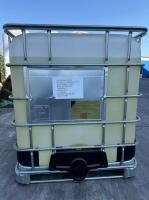
Polyamine is a cationic organic polymer coagulant widely used in water treatment, wastewater treatment, sludge conditioning, color removal, clarification, flotation, and industrial process-water treatment.
198_small.jpg)
PolyDADMAC (polydiallyldimethylammonium chloride) is a water-soluble, strongly cationic polymer widely used as an organic coagulant, flocculation aid, turbidity remover, color-removal agent, sludge conditioner, and charge-neutralization che...
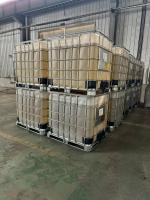
Polyamine is a widely used liquid organic polymer coagulant, primarily applied in water and wastewater treatment. It is a cationic polymer containing positively charged functional groups that can neutralize negatively charged particles, col...
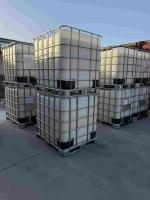
PolyDADMAC with lower solid content is a liquid cationic polymer based on polydiallyldimethylammonium chloride (PolyDADMAC).
592_small.jpg)
Polyamine is a class of water-soluble, cationic organic polymers widely used as coagulants, flocculation aids, color-removal agents, and sludge-conditioning chemicals.