Our Products
coagulant / The application of polyamine for dye wastewater decolorization
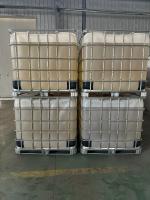


Polyamine is a highly effective cationic organic coagulant widely used in dye wastewater decolorization. Textile, printing, dyeing, leather, and chemical industries generate large volumes of wastewater containing synthetic dyes that are highly stable, water-soluble, and resistant to biodegradation. These dyes create intense color even at very low concentrations, making color removal one of the most challenging tasks in wastewater treatment. Polyamine plays a crucial role in destabilizing dye molecules, promoting floc formation, and achieving efficient decolorization.
Dye wastewater typically contains:
Most dyes, especially reactive and direct dyes, carry negative charges in solution. This makes them stable in water and difficult to remove by simple sedimentation or biological treatment alone.
Polyamine is a water-soluble cationic polymer synthesized from amine-based monomers. It has a high charge density and relatively low to medium molecular weight, making it highly effective for charge neutralization and coagulation.
Key properties include:
These characteristics make polyamine especially suitable for treating complex dye wastewater systems.
Polyamine removes dyes from wastewater through several mechanisms:
(1) Charge neutralization
Most dyes in textile wastewater are negatively charged. Polyamine neutralizes these charges, destabilizing dye molecules and colloids, which allows them to aggregate.
(2) Complex formation and precipitation
Polyamine can form insoluble complexes with dye molecules through electrostatic attraction. These complexes precipitate out of solution and can be removed by sedimentation or flotation.
(3) Adsorption and bridging
Polyamine adsorbs onto dye particles and suspended solids, helping bind them together into larger flocs.
(4) Enmeshment in flocs
As flocs form, dye molecules become trapped within the floc structure, enhancing color removal efficiency.
Polyamine is typically used in the coagulation-flocculation stage of wastewater treatment systems:
Wastewater is homogenized to balance flow and pollutant concentration.
Optimal pH for polyamine performance is generally between 6 and 9, depending on dye type.
Polyamine is added during rapid mixing to ensure uniform distribution and immediate reaction with dyes.
Gentle mixing allows microflocs to grow into larger aggregates.
Flocs are removed by sedimentation or dissolved air flotation (DAF), resulting in clarified water.
Additional biological treatment or advanced oxidation may follow for further COD reduction.
(1) High color removal efficiency
Polyamine can achieve strong decolorization performance, often removing 80–95% of color depending on wastewater composition.
(2) Fast reaction and treatment time
Rapid charge neutralization leads to quick color removal and short hydraulic retention time.
(3) Low dosage requirement
High charge density allows effective treatment at relatively low chemical doses.
(4) Reduced sludge production
Compared to inorganic coagulants, polyamine generates less sludge volume.
(5) Compatibility with other chemicals
Works well with flocculants and inorganic coagulants for enhanced performance.
The dosage of polyamine depends on dye type and wastewater characteristics.
Typical dosage range:
Key influencing factors include:
Jar testing is essential to determine optimal dosage for each wastewater stream.
Polyamine is often used in combination with other processes to achieve complete treatment:
(1) Cationic polyacrylamide (CPAM):
Enhances floc size and settling speed after coagulation.
(2) Polyaluminum chloride (PAC):
Used to reduce cost and improve coagulation strength.
(3) Advanced oxidation processes (AOPs):
Polyamine removes bulk color first, while AOPs degrade residual organic compounds.
(4) Biological treatment:
Pre-treatment with polyamine improves biodegradability by removing toxic dyes.
Despite its effectiveness, several limitations must be considered:
(1) Overdosing risk
Excess polyamine can cause charge reversal, reducing decolorization efficiency.
(2) Variable wastewater composition
Different dye types require different dosing strategies.
(3) High salt interference
High salinity can reduce interaction between polyamine and dye molecules.
(4) Cost factors
Polyamine is more expensive than inorganic coagulants, though often more efficient.
Polyamine is widely used in:
It is especially valuable in facilities requiring strict color discharge compliance.
The use of polyamine in dye wastewater treatment is expected to grow due to:
Future research focuses on improving selectivity for different dye classes and reducing chemical consumption.
343_small.jpg "polyamine for color removal in textile wastewater")
913_small.jpg "polyamine water treatment|polyamine coagulant|cationic polyamine polymer")
713_small.jpg "polyamine FL2449 can be replaced by Chinafloc-polyamine")