Our Products
coagulant / polyamine(HS:3402410000)manufacturer|polyamine suppliers in China
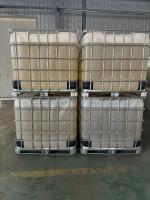
500_small.jpg "polyamine(HS:3402410000)manufacturer|polyamine suppliers in China")


Polyamine is a cationic polymer widely used in water treatment and wastewater treatment industries. It is produced through the polymerization of amine-based monomers, resulting in a polymer with a high density of positive charges. Because most suspended particles, organic matter, and colloidal impurities in water carry negative charges, polyamine is highly effective in neutralizing these particles and promoting coagulation and flocculation. Due to its excellent charge neutralization ability, polyamine has become an important chemical used in municipal water treatment, industrial wastewater treatment, sludge conditioning, and many other purification processes.
One of the most common applications of polyamine is in municipal drinking water treatment. Surface water sources such as rivers, lakes, and reservoirs contain suspended solids, clay particles, algae, bacteria, and natural organic matter. These contaminants remain stable in water because they usually carry negative charges. When polyamine is added to the raw water, the positive charges on the polymer neutralize the negative charges of suspended particles. This destabilization allows the particles to combine and form larger flocs. The flocs then settle quickly in sedimentation tanks, making it easier to remove impurities through filtration. In many water treatment plants, polyamine is used either as a primary coagulant or as a coagulant aid together with inorganic coagulants such as aluminum sulfate or ferric chloride. This improves turbidity removal, enhances clarification efficiency, and reduces the dosage of inorganic chemicals.
Another important application of polyamine is in municipal wastewater treatment plants. Domestic sewage contains organic matter, microorganisms, suspended solids, and colloidal particles that must be removed before discharge. Polyamine helps aggregate fine particles and improves floc formation during the treatment process. It is commonly used in primary clarification systems and secondary treatment processes to enhance solid–liquid separation. The use of polyamine can significantly improve the settling performance of sludge in clarifiers and reduce the turbidity of treated water. As a result, wastewater treatment facilities can achieve higher treatment efficiency and meet environmental discharge standards more easily.
In industrial wastewater treatment, polyamine is widely used across various industries such as textiles, paper and pulp, petrochemicals, mining, food processing, and chemical manufacturing. Industrial effluents often contain dyes, oils, suspended solids, heavy metals, and organic pollutants that are difficult to remove by conventional treatment methods. Because of its strong cationic charge, polyamine can effectively neutralize negatively charged particles and break down stable colloidal suspensions. The polymer promotes rapid aggregation of particles and improves the efficiency of clarification systems such as sedimentation tanks and dissolved air flotation units. This helps industries reduce pollution levels in wastewater and comply with environmental regulations.
The paper and pulp industry also relies heavily on polyamine for water treatment and process improvement. During the papermaking process, wastewater containing fibers, fillers, and dissolved organic substances is produced. Polyamine can be used as a retention and drainage aid to improve the retention of fine fibers and fillers in the paper sheet. At the same time, it can be used in wastewater treatment systems to remove suspended solids and improve water clarity. By enhancing flocculation, polyamine helps paper mills recycle process water and reduce the environmental impact of their operations.
Another significant application of polyamine is in sludge conditioning and dewatering. Wastewater treatment plants generate large amounts of sludge that contain water and solid particles. Before disposal, sludge must be thickened and dewatered using mechanical equipment such as belt filter presses, centrifuges, or filter presses. When polyamine is added to sludge, it neutralizes the negative charges of sludge particles and forms strong flocs. These flocs release water more easily during the dewatering process, resulting in drier sludge cakes and improved solids capture. This reduces sludge volume and lowers transportation and disposal costs.
In the textile industry, polyamine is commonly used for color removal and wastewater clarification. Textile dyeing processes produce wastewater that contains large amounts of dyes and organic compounds. Many dye molecules carry negative charges and remain dissolved in water. Polyamine can effectively neutralize these charges and cause dye molecules to aggregate into larger particles that can be removed through sedimentation or flotation. This greatly improves the efficiency of textile wastewater treatment and helps reduce environmental pollution.
Polyamine is also widely used in oilfield water treatment and produced water clarification. Oil extraction processes generate wastewater containing oil droplets, suspended solids, and drilling particles. Polyamine can destabilize emulsified oil droplets and fine solids, allowing them to separate from water more easily. The polymer improves the performance of oil–water separation systems and helps maintain the efficiency of water recycling processes in oilfield operations.
In addition, polyamine is applied in mining and mineral processing wastewater treatment. Mining operations produce wastewater containing clay particles, mineral fines, and metal hydroxides. These particles are often very small and difficult to settle naturally. Polyamine helps neutralize particle charges and promotes the formation of larger flocs that settle quickly in thickeners and clarifiers. This improves water recovery and reduces the environmental impact of mining activities.
In conclusion, polyamine is a highly versatile and effective cationic polymer used in many water treatment applications. Its strong positive charge enables it to neutralize negatively charged contaminants, enhance floc formation, and improve solid–liquid separation. Because of its high efficiency and broad applicability, polyamine is widely used in municipal drinking water treatment, municipal wastewater treatment, industrial wastewater treatment, sludge conditioning and dewatering, paper and pulp processing, textile wastewater treatment, oilfield water treatment, and mining wastewater treatment. As environmental regulations continue to become stricter and the demand for clean water increases, the importance of polyamine in modern water treatment technology will continue to grow.
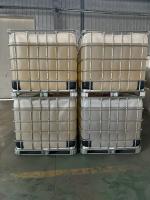
202_small.jpg "polyamine used in paper retention and drainage systems")