


Our Products


anionic flocculant
Chinas anionic powders range from low to very high molecular weight, low charge to very high charge and are a premium product suitable for all types of industrial treatment regardless of your industry.
Products Show
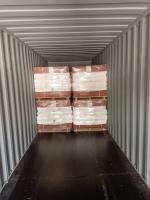
Magnafloc 156 anionic flocculant is a high-performance anionic polyacrylamide (APAM) flocculant widely used in solid-liquid separation processes
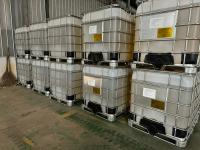
CYFLOC HX-600 is a high-performance anionic hydroxamated polyacrylamide (HXPAM) emulsion flocculant originally developed by Cytec Industries (now part of Syensqo) specifically for the alumina refining industry
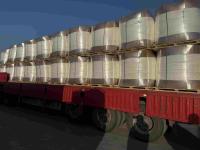
Anionic flocculant used in the quarry market plays a vital role in improving water management, solid–liquid separation, and operational efficiency in aggregate production and stone processing industries.
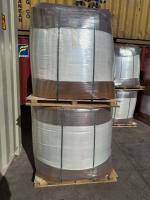
Anionic flocculants—most commonly based on anionic polyacrylamide (APAM)—play a crucial role in wastewater treatment plant (WWTP) sludge dewatering.
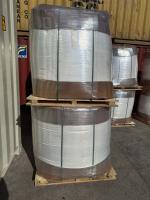
Hydroxamate-based flocculants (commonly referred to as hydroxamated polyacrylamide, HAPAM) are advanced functional polymers used in red mud treatment in aluminum (bauxite) processing, particularly within the Bayer process.
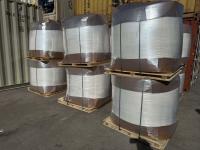
TALOFLOC 100, an anionic flocculant characterized by low hydrolysis degree and high molecular weight, is designed for applications where strong bridging flocculation, fast settling, and stability in complex water conditions are required

For rock phosphate beneficiation, the most commonly used anionic flocculants are high-molecular-weight anionic polyacrylamide (APAM) and modified anionic polymers designed for tailings settling, thickening, and slurry clarification
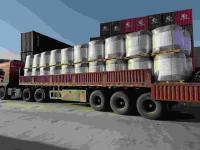
ZETAG 4100 DK is a high-molecular-weight anionic flocculant based on anionic polyacrylamide chemistry and is widely used for solid–liquid separation in industrial, municipal, and mineral processing operations
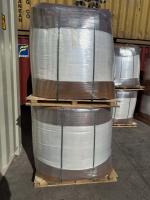
ZETAG® 8108 DL is a cationic polyacrylamide flocculant supplied in liquid (DL = dispersion liquid) form and is widely used for solid–liquid separation in municipal and industrial processes.