

Our Products

coagulant / polyamine FL2449 can be replaced by Chinafloc-polyamine
713_small.jpg "polyamine FL2449 can be replaced by Chinafloc-polyamine")
Polyamine FL2449 is a high-charge-density cationic polyamine coagulant widely used as a primary coagulant or coagulant aid in municipal and industrial water treatment. It is a water-soluble organic polymer designed to neutralize negatively charged colloids, suspended solids, organic matter, and other contaminants. Compared with traditional inorganic coagulants such as aluminum sulfate (alum) and ferric chloride, Polyamine FL2449 offers faster charge neutralization, lower sludge production, broader pH adaptability, and improved treatment efficiency. It is commonly applied in drinking water treatment, municipal wastewater treatment, industrial wastewater treatment, sludge dewatering, paper manufacturing, mining, textile processing, and food-processing wastewater.
One of the principal applications of Polyamine FL2449 is in drinking water clarification. Surface water from rivers, lakes, and reservoirs often contains fine suspended particles, algae, natural organic matter (NOM), clay, and microorganisms that cannot settle naturally because they carry negative surface charges. Polyamine FL2449 rapidly neutralizes these charges, allowing particles to collide and form larger flocs that settle quickly or are removed by filtration. Because Polyamine FL2449 is an organic coagulant with high cationic charge density, it frequently reduces the amount of alum or ferric salts required, decreasing sludge generation and minimizing residual metal concentrations in treated water.
Polyamine FL2449 is also extensively used in municipal wastewater treatment plants. Municipal sewage contains suspended solids, organic contaminants, bacteria, colloidal materials, and phosphorus compounds. During primary clarification, Polyamine FL2449 destabilizes negatively charged particles, improving floc formation and sedimentation efficiency. In secondary clarification, it enhances the separation of activated sludge from treated water, producing a clearer effluent and improving compliance with discharge regulations. Its rapid reaction kinetics make it particularly suitable for facilities that require high hydraulic loading and consistent clarification performance.
Another major application is industrial wastewater treatment. Many industries generate wastewater with high concentrations of suspended solids, oils, emulsified materials, dyes, heavy metals, and organic pollutants. Polyamine FL2449 is effective across a wide range of industrial sectors because it functions as a powerful charge-neutralizing coagulant. It is frequently used before dissolved air flotation (DAF), sedimentation tanks, or filtration systems to reduce turbidity and improve downstream treatment efficiency. Industries using Polyamine FL2449 include chemical manufacturing, petrochemical plants, electronics, pharmaceuticals, machinery manufacturing, and general industrial processing.
The paper and pulp industry is another important user of Polyamine FL2449. Paper mills generate white water containing cellulose fibers, fillers, pigments, starch, latex, and dissolved organic materials. Polyamine FL2449 improves retention of fine fibers and fillers while reducing solids losses in process water. In wastewater treatment, it effectively removes suspended solids and color, helping mills recycle process water and reduce fresh water consumption. By improving clarification efficiency, Polyamine FL2449 contributes to lower chemical consumption and more stable papermaking operations.
In the textile industry, wastewater often contains reactive dyes, sizing agents, surfactants, oils, and finely dispersed color bodies that are difficult to remove using conventional sedimentation. Polyamine FL2449 effectively neutralizes negatively charged dye molecules and colloidal particles, producing larger flocs that can be separated through clarification or dissolved air flotation. Improved color removal helps textile mills meet environmental discharge requirements while reducing the load on biological treatment systems. Polyamine FL2449 is compatible with many decolorizing chemicals and can be integrated into existing treatment processes with minimal equipment modifications.
The food and beverage industry also benefits from Polyamine FL2449. Wastewater from dairy processing, beverage production, breweries, meat processing, sugar refining, and vegetable processing contains proteins, starches, fats, oils, and suspended organic matter. Polyamine FL2449 rapidly destabilizes these contaminants, improving clarification and reducing chemical oxygen demand (COD) before biological treatment. Lower suspended solids entering biological reactors often results in improved microbial performance and reduced operating costs.
In oil and gas operations, Polyamine FL2449 is used to clarify produced water and refinery wastewater. Produced water commonly contains emulsified oil droplets, suspended solids, corrosion products, and fine mineral particles. The high cationic charge density of Polyamine FL2449 promotes rapid destabilization of oil-water emulsions and fine suspended solids, improving separation efficiency in flotation units and clarifiers. Better oil removal supports water recycling and helps operators meet environmental discharge standards.
Another important application is sludge conditioning and dewatering. Municipal and industrial sludges contain large quantities of bound water that make mechanical dewatering difficult. Polyamine FL2449 can be used as a conditioning agent before belt filter presses, centrifuges, screw presses, or filter presses. By neutralizing particle charges and promoting floc formation, it produces stronger sludge flocs that release water more easily during mechanical dewatering. The result is higher cake solids, reduced sludge volume, lower transportation costs, and improved overall dewatering efficiency. In some systems, Polyamine FL2449 is used together with high-molecular-weight cationic polyacrylamide to optimize sludge conditioning.
Polyamine FL2449 is widely applied in mining and mineral processing wastewater treatment. Mine drainage and mineral processing streams often contain ultrafine clay, silicates, metal hydroxides, and suspended mineral particles. As a primary coagulant, Polyamine FL2449 destabilizes these colloids before flocculation, improving clarification rates and increasing water recovery. Clear recycled water can then be returned to grinding, flotation, or washing operations, reducing freshwater consumption and improving process sustainability.
A significant advantage of Polyamine FL2449 is its compatibility with other treatment chemicals. It is commonly used together with inorganic coagulants such as alum, ferric chloride, or polyaluminum chloride (PAC), as well as with anionic or nonionic polyacrylamide flocculants. In these combined systems, Polyamine FL2449 performs the initial charge neutralization, while the flocculant enlarges and strengthens the flocs through polymer bridging. This combination often achieves better clarification, lower turbidity, and reduced chemical consumption than either product alone.
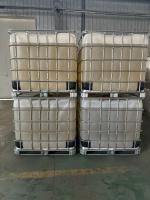
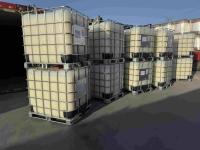
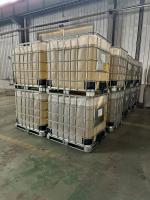
Operationally, Polyamine FL2449 offers several practical benefits. Being supplied as a liquid, it requires no polymer dissolution equipment and can be dosed directly using standard chemical metering pumps. It reacts rapidly, performs over a broad pH range, and generates less sludge than conventional metal-salt coagulants. Lower sludge production reduces disposal costs, while the absence of aluminum or iron residuals can improve treated-water quality in many applications. Its fast mixing characteristics also make it suitable for high-flow continuous treatment systems.
In summary, Polyamine FL2449 is a versatile, high-charge-density cationic organic coagulant designed for efficient solid-liquid separation and clarification. Its principal applications include drinking water purification, municipal wastewater treatment, industrial wastewater treatment, sludge conditioning and dewatering, paper and pulp processing, textile wastewater treatment, food and beverage wastewater, mining and mineral processing, oil and gas produced-water treatment, and process-water recycling. By providing rapid charge neutralization, excellent compatibility with inorganic coagulants and polymer flocculants, reduced sludge production, and reliable performance across a wide range of operating conditions, Polyamine FL2449 helps treatment facilities improve water quality, lower operating costs, increase treatment capacity, and meet increasingly stringent environmental regulations.