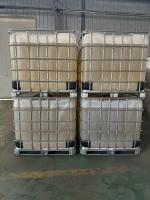
Application of Alcomer 7197 and Alcomer 7198 Polyamine
Alcomer 7197 and Alcomer 7198 are liquid polyamine-based cationic coagulants designed for efficient solid–liquid separation in water and wastewater treatment systems. As polyamine polymers, Alcomer 7197 and 7198 are characterized by relatively low to medium molecular weight and high cationic charge density. Their primary function is charge neutralization and colloidal destabilization, making them highly effective in clarifying water, conditioning sludge, and improving downstream flocculation performance. The application of Alcomer 7197 and Alcomer 7198 polyamine spans municipal water treatment, industrial wastewater treatment, sludge dewatering, papermaking, and oil & gas effluent systems.
1. Drinking Water and Surface Water Treatment
One of the most important applications of Alcomer 7197 and Alcomer 7198 polyamine is in drinking water and raw water clarification. Natural surface water sources typically contain negatively charged colloids such as clay, silt, algae, and natural organic matter. These particles are stable in suspension and difficult to remove by sedimentation alone.
Alcomer 7197 and Alcomer 7198 polyamine rapidly neutralize the negative surface charges of these colloids, allowing them to agglomerate into micro-flocs. This improves turbidity removal, reduces color, and enhances overall clarification efficiency. Compared with inorganic coagulants like alum or ferric chloride, Alcomer polyamine products generate less sludge and perform effectively across a broader pH range. They can be used as standalone coagulants or as coagulant aids to reduce metal salt dosage and sludge production.
2. Municipal and Industrial Wastewater Treatment
Alcomer 7197 and Alcomer 7198 polyamine are widely applied in municipal wastewater treatment plants and a variety of industrial effluent systems. Industrial wastewaters from textile, chemical, steel, food processing, electronics, and dye manufacturing industries often contain fine suspended solids, emulsified oils, and organic contaminants.
As primary coagulants, Alcomer 7197 and 7198 destabilize colloidal particles quickly, improving clarification in primary settling tanks, dissolved air flotation (DAF) units, and lamella clarifiers. Their fast reaction kinetics make them especially suitable for high-flow or compact treatment systems where short retention times are required. Improved solid removal upstream also protects biological treatment systems by reducing organic and solids loading.
3. Sludge Conditioning and Dewatering
A key application of Alcomer 7197 and Alcomer 7198 polyamine is sludge conditioning prior to dewatering. Waste activated sludge and mixed sludge typically carry strong negative charges that trap water within the sludge matrix. Alcomer polyamine neutralizes these charges and forms dense, compact micro-flocs.
When used ahead of mechanical dewatering equipment such as belt filter presses, centrifuges, and screw presses, Alcomer 7197 and 7198 improve water release and floc structure. This results in higher cake solids content, lower polymer consumption, reduced sludge volume, and lower disposal costs. In many cases, polyamine conditioning also improves the performance consistency of downstream high–molecular-weight flocculants.
4. Papermaking and Pulp Processing
In the pulp and paper industry, Alcomer 7197 and Alcomer 7198 polyamine are commonly used for anionic trash control, white water clarification, and retention system optimization. Papermaking processes generate large amounts of dissolved and colloidal anionic substances such as lignin derivatives, resin acids, and fine fillers.
Alcomer polyamine products neutralize these anionic contaminants, restoring charge balance in the wet end system. Improved charge control leads to better fiber and filler retention, enhanced drainage, improved sheet formation, and reduced deposits on machinery. As a result, paper quality is improved while chemical consumption and downtime are reduced.
5. Oilfield and Refinery Wastewater Treatment
Alcomer 7197 and Alcomer 7198 polyamine are also applied in oilfield produced water and refinery wastewater treatment. These wastewaters typically contain suspended solids, oil droplets, surfactants, and chemical additives. The negative surface charge of oil droplets and fine solids makes separation challenging.
By providing rapid charge neutralization, Alcomer polyamine improves oil–water separation efficiency in clarifiers and flotation units. This leads to lower suspended solids and oil content in treated water, protecting downstream treatment units and helping facilities meet discharge or reuse standards.
6. Chemical, Mining, and Other Industrial Applications
In chemical manufacturing, mining, and mineral processing, Alcomer 7197 and 7198 polyamine are used to improve clarification and water recovery. They assist in removing fine inorganic particles, metal hydroxides, and process residues from wastewater streams. Enhanced clarification supports water reuse and reduces fresh water consumption, contributing to more sustainable industrial operations.
7. Operational and Economic Benefits
The application of Alcomer 7197 and Alcomer 7198 polyamine provides several operational advantages, including rapid coagulation, reduced sludge production, improved downstream flocculation, and stable performance under varying water quality conditions. Because these polyamine coagulants are effective at relatively low dosages, they offer significant cost savings and process reliability.
In summary, Alcomer 7197 and Alcomer 7198 polyamine are versatile, high-performance cationic coagulants used across drinking water treatment, municipal and industrial wastewater treatment, sludge conditioning and dewatering, papermaking, oilfield wastewater treatment, and other industrial applications. Through effective charge neutralization and colloid destabilization, Alcomer 7197 and 7198 polyamine enhance solid–liquid separation efficiency, reduce operating costs, and support sustainable water and wastewater management.



306_small.jpg "The replacement of polyamine(FL2250 FL2449)|equiavlent of polyamine")