

Our Products

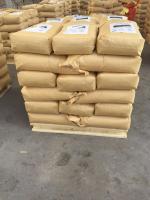
Flocculant / the replacement of magnafloc 156 anionic flocculant
Application of Magnafloc 156 Anionic Flocculant
Introduction
Magnafloc 156 anionic flocculant is a high-performance anionic polyacrylamide (APAM) flocculant widely used in solid-liquid separation processes, especially in mineral processing, mining wastewater treatment, tailings management, industrial clarification, and sludge dewatering applications. It belongs to the Magnafloc range of flocculants originally developed for demanding industrial water treatment and mineral processing operations.
The main function of Magnafloc 156 anionic flocculant is to accelerate the separation of suspended solid particles from water. It works by adsorption and polymer bridging. The long-chain polymer molecules attach to the surfaces of suspended particles and connect multiple particles together, forming larger, stronger flocs. These flocs settle faster, allowing clearer water recovery and improved solid concentration.
Because of its anionic charge characteristics, Magnafloc 156 is particularly effective for applications involving:
- Mineral particles
- Inorganic suspended solids
- Clay particles
- Metal hydroxide precipitates
- Fine tailings
- Industrial process solids
1. Application in Mining and Mineral Processing
The most important application area of Magnafloc 156 anionic flocculant is the mining and mineral processing industry.
Mining operations generate large quantities of fine particles during crushing, grinding, flotation, and beneficiation processes. These fine particles are difficult to settle naturally because of their small size and surface charge.
Magnafloc 156 is commonly used in:
- Tailings thickening
- Mineral concentrate thickening
- Slurry clarification
- Mine water treatment
- Process water recycling
- Filtration improvement
The addition of Magnafloc 156 promotes the formation of large mineral flocs, improving the performance of thickeners and filtration equipment.
Benefits in mining applications:
- Faster settling of mineral solids
- Higher underflow density
- Improved overflow clarity
- Increased water recovery
- Reduced tailings pond volume
- Improved plant productivity
2. Tailings Thickening Application
Tailings management is one of the largest applications for Magnafloc 156 anionic flocculant.
After valuable minerals are recovered, mining plants produce tailings containing:
- Fine rock particles
- Clay minerals
- Silica particles
- Residual process chemicals
- Water
These tailings often contain very fine solids that remain suspended for long periods.
When Magnafloc 156 is added into the thickener feed, the polymer molecules attach to suspended particles and create large aggregates.
The results are:
Improved thickener performance
Magnafloc 156 helps increase settling velocity, allowing mining thickeners to operate more efficiently.
Higher underflow solids concentration
The polymer improves compression of settled solids, producing thicker slurry with less water.
Better water recycling
The clarified overflow water can be returned to the processing plant, reducing fresh water consumption.
This application is especially important in:
- Copper mines
- Iron ore mines
- Gold mines
- Nickel mines
- Lead and zinc mines
- Coal processing plants
3. Iron Ore Processing Application
In iron ore beneficiation, large amounts of fine iron particles and gangue materials must be separated from water.
Magnafloc 156 anionic flocculant can be used in:
- Concentrate thickening
- Tailings settling
- Filter feed conditioning
- Process water clarification
The polymer improves the aggregation of iron-containing particles, helping plants achieve:
- Faster sedimentation
- Higher concentrate recovery
- Cleaner recycled water
- Improved filtration performance
Iron ore plants often use high molecular weight anionic flocculants because they provide strong bridging between mineral particles.
4. Coal Washing and Coal Slurry Treatment
Coal preparation plants generate wastewater containing:
- Fine coal particles
- Clay
- Organic solids
- Mineral impurities
These particles create highly turbid water that requires chemical treatment.
Magnafloc 156 is used for:
- Coal slurry thickening
- Fine coal recovery
- Clarifier treatment
- Water recycling
Advantages include:
- Faster settling of coal fines
- Improved recovery of valuable coal particles
- Reduced suspended solids discharge
- Cleaner recycled process water
By improving solid-liquid separation, Magnafloc 156 helps coal plants reduce environmental impact and improve operational efficiency.
5. Industrial Wastewater Treatment
Besides mining applications, Magnafloc 156 anionic flocculant is widely used in industrial wastewater treatment.
Many industries produce wastewater containing large amounts of suspended solids, including:
- Steel manufacturing
- Chemical production
- Cement plants
- Paper mills
- Ceramic industries
- Food processing plants
In these systems, Magnafloc 156 helps remove:
- Suspended solids
- Inorganic particles
- Metal hydroxides
- Colloidal materials
The polymer is usually added after coagulation or directly into clarification systems.
Its functions include:
- Increasing settling speed
- Improving sludge capture
- Reducing turbidity
- Enhancing filtration
6. Application in Sludge Thickening and Dewatering
Magnafloc 156 anionic flocculant can also be used for sludge conditioning in specific applications where sludge contains inorganic solids.
Typical equipment includes:
- Filter presses
- Belt presses
- Centrifuges
- Vacuum filters
The polymer improves sludge structure by forming larger flocs with better permeability.
Benefits include:
- Faster filtration
- Higher cake solids
- Lower moisture content
- Reduced disposal costs
Applications include:
- Mineral sludge
- Chemical sludge
- Industrial process sludge
- Inorganic wastewater sludge
7. Application in Alumina and Bauxite Processing
The alumina industry requires efficient solid-liquid separation during the Bayer process.
During bauxite digestion and clarification, large quantities of red mud are generated.
Anionic flocculants similar to Magnafloc 156 are used to improve:
- Red mud settling
- Liquor clarification
- CCD washing efficiency
- Water recovery
The polymer promotes aggregation of fine particles, allowing faster separation between:
- Solid residue (red mud)
- Sodium aluminate liquor
Improved settling reduces process losses and improves plant efficiency.
8. Application in Sand Washing and Quarry Industry
Sand and aggregate washing produces wastewater containing:
- Fine sand
- Clay
- Silica particles
- Suspended minerals
Without treatment, these particles remain suspended and create cloudy water.
Magnafloc 156 anionic flocculant is applied in:
- Sand washing plants
- Quarry settling ponds
- Aggregate recycling systems
It helps:
- Accelerate sedimentation
- Recover clean water
- Reduce wastewater discharge
- Improve sand recovery
The recycled water can then be reused in the washing process, reducing water consumption.
9. Oilfield and Drilling Applications
High molecular weight anionic polyacrylamides such as Magnafloc 156 may also be used in oilfield-related applications.
Possible uses include:
- Drilling wastewater treatment
- Produced water clarification
- Enhanced oil recovery support
In produced water treatment, the polymer helps separate:
- Suspended solids
- Fine particles
- Oil-associated solids
This improves water quality before reuse or disposal.
10. Main Advantages of Magnafloc 156 Anionic Flocculant
The key advantages of Magnafloc 156 include:
Excellent floc formation
Creates large, strong flocs through polymer bridging.
Fast settling performance
Improves sedimentation rates in thickeners and clarifiers.
High solid capture efficiency
Reduces suspended solids in overflow water.
Improved water recovery
Allows more process water recycling.
Reduced operating costs
Lower water consumption and improved equipment efficiency.
Wide industrial compatibility
Suitable for mining, mineral processing, wastewater treatment, and environmental applications.
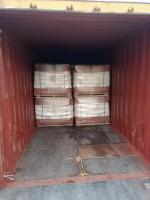
956_small.jpg "High quality of anionic flocculant used for the coal washing")