

Our Products

coagulant / top 2 polyamine manufacturers in China|polyamine best price and quality
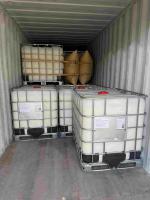
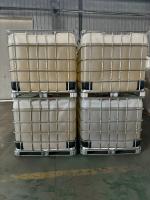
Polyamine is a highly cationic, water-soluble organic polymer that is widely used as a primary coagulant and charge-neutralizing agent in water treatment, wastewater treatment, and numerous industrial separation processes. Because of its very high positive charge density, polyamine rapidly destabilizes negatively charged suspended solids, colloidal particles, emulsified oils, natural organic matter, and fine inorganic particles. Once these contaminants are destabilized, they can be removed efficiently through sedimentation, flotation, filtration, or by subsequent treatment with polymeric flocculants such as polyacrylamide. Polyamine is valued for its fast reaction speed, low dosage requirements, broad pH operating range, and excellent compatibility with other treatment chemicals.
Municipal drinking water treatment
One of the most important applications of polyamine is in municipal drinking water treatment. Raw water collected from rivers, lakes, and reservoirs often contains suspended clay, silt, algae, bacteria, humic substances, and natural organic matter. These contaminants are usually negatively charged and remain stable in suspension.
Polyamine rapidly neutralizes these electrical charges, allowing particles to aggregate into microflocs that can be enlarged by additional flocculants if necessary. The resulting flocs settle quickly in clarifiers or are removed through rapid sand filtration or membrane filtration.
Benefits include:
- Improved turbidity removal.
- Better color reduction.
- Lower organic matter concentration.
- Reduced filter loading.
- Longer filter run times.
- Improved drinking water quality.
- Lower overall chemical consumption.
Because polyamine generates relatively compact sludge, it can also reduce sludge handling and disposal costs.
Municipal wastewater treatment
Polyamine is extensively used in municipal wastewater treatment plants.
Wastewater contains suspended solids, biological solids, organic colloids, phosphorus-containing particles, oils, and fine debris. These contaminants often remain suspended because of their negative surface charge.
Polyamine destabilizes these particles and improves coagulation before sedimentation or dissolved air flotation (DAF).
Typical applications include:
- Primary clarification.
- Secondary clarification enhancement.
- Tertiary polishing.
- Sludge conditioning.
- Phosphorus removal.
- Combined sewer overflow treatment.
The polymer improves suspended solids removal while reducing turbidity and chemical oxygen demand (COD), helping treatment plants comply with environmental discharge standards.
Industrial wastewater treatment
Industrial wastewater treatment is one of the largest application areas for polyamine.
Industries using polyamine include:
- Chemical manufacturing.
- Pharmaceutical production.
- Petrochemical plants.
- Electronics manufacturing.
- Textile dyeing.
- Leather processing.
- Food processing.
- Beverage production.
- Metal finishing.
- Automotive manufacturing.
Industrial wastewater frequently contains:
- Fine suspended solids.
- Emulsified oils.
- Pigments.
- Surfactants.
- Organic colloids.
- Heavy metals.
- Process chemicals.
Polyamine acts as a highly efficient primary coagulant by destabilizing these contaminants before sedimentation, flotation, or filtration.
Its use often reduces the dosage of inorganic coagulants while improving clarification performance.
Dissolved Air Flotation (DAF)
Polyamine is widely used in DAF systems.
In DAF, contaminants are attached to microscopic air bubbles that float to the surface for removal.
Polyamine improves flotation by:
- Destabilizing colloids.
- Aggregating fine particles.
- Enhancing bubble attachment.
- Increasing flotation efficiency.
DAF applications include:
- Meat processing.
- Dairy wastewater.
- Seafood processing.
- Oil refineries.
- Paper mills.
- Food manufacturing.
- Municipal wastewater treatment.
The result is cleaner effluent and improved solids recovery.
Sludge conditioning
Polyamine is commonly used during sludge conditioning before mechanical dewatering.
The polymer improves sludge structure by neutralizing particle charges and promoting stronger floc formation.
Applications include:
- Waste activated sludge.
- Primary sludge.
- Digested sludge.
- Mixed sludge.
- Industrial sludge.
Improved conditioning provides:
- Better drainage.
- Higher cake solids.
- Lower moisture content.
- Cleaner filtrate.
- Reduced sludge disposal costs.
Polyamine is often combined with cationic polyacrylamide to achieve maximum dewatering performance.
Pulp and paper industry
The pulp and paper industry uses polyamine for numerous wet-end and wastewater applications.
Typical uses include:
- Fiber retention.
- Filler retention.
- White water clarification.
- Stickies control.
- Pitch control.
- Process water recycling.
- Sludge treatment.
The polymer improves retention of valuable cellulose fibers and mineral fillers while reducing suspended solids in recycled water.
Improved retention also increases machine efficiency and product quality.
Textile industry
Textile wastewater contains dyes, fibers, surfactants, starch, pigments, and finishing chemicals.
Polyamine effectively destabilizes negatively charged dye molecules and suspended particles.
Applications include:
- Color removal.
- Coagulation.
- Wastewater clarification.
- Sludge thickening.
- Water recycling.
When combined with polyaluminum chloride and polyacrylamide, polyamine provides excellent removal of color and suspended solids.
Food and beverage processing
Food processing generates wastewater containing:
- Proteins.
- Sugars.
- Starch.
- Animal fats.
- Vegetable oils.
- Organic solids.
Polyamine promotes rapid coagulation and improves solids removal before biological treatment.
Industries include:
- Dairy processing.
- Breweries.
- Beverage plants.
- Meat processing.
- Poultry processing.
- Vegetable processing.
- Fruit processing.
- Sugar manufacturing.
Lower organic loading improves biological treatment efficiency.
Oil and gas industry
Polyamine is widely used in produced water treatment and refinery wastewater treatment.
Applications include:
- Produced water clarification.
- Oil-water separation.
- Emulsion breaking.
- Suspended solids removal.
- Refinery wastewater treatment.
Its high cationic charge neutralizes negatively charged oil droplets and suspended particles, allowing more efficient flotation or sedimentation.
The treated water may then be discharged, recycled, or reinjected.
Mining and mineral processing
Mining operations require efficient clarification of process water and tailings.
Polyamine serves as an effective primary coagulant for:
- Mine wastewater.
- Thickener feed.
- Tailings clarification.
- Process water recycling.
- Clay removal.
The polymer rapidly destabilizes suspended mineral particles before subsequent flocculation.
Improved clarification increases water recovery while reducing freshwater consumption.
Metal finishing industry
Electroplating and metal finishing wastewater often contains:
- Heavy metals.
- Hydroxide precipitates.
- Suspended solids.
- Oils.
- Fine particles.
Polyamine improves coagulation of metal hydroxide precipitates and enhances settling.
This helps facilities meet strict discharge regulations.
Sugar industry
Sugar mills generate wastewater containing fine bagasse fibers, suspended solids, sugars, and organic compounds.
Polyamine is used for:
- Juice clarification.
- Wastewater clarification.
- Process water recycling.
- Sludge thickening.
Improved clarification increases production efficiency while reducing wastewater treatment costs.
Membrane pretreatment
Reverse osmosis (RO), ultrafiltration (UF), and nanofiltration (NF) systems require low suspended solids to prevent membrane fouling.
Polyamine is used ahead of membrane systems to remove colloidal particles and fine suspended solids.
Advantages include:
- Reduced membrane fouling.
- Longer membrane life.
- Lower cleaning frequency.
- Improved permeate quality.
- Reduced operating costs.
Environmental remediation
Polyamine is also used in environmental cleanup projects involving:
- Contaminated lagoons.
- Industrial ponds.
- Sediment clarification.
- Stormwater treatment.
- Construction runoff.
Rapid coagulation accelerates removal of suspended solids before discharge or additional treatment.
Advantages of polyamine
Polyamine offers numerous operational advantages:
- Very high cationic charge density.
- Rapid charge neutralization.
- Fast coagulation.
- Broad pH operating range.
- Effective at relatively low dosages.
- Compatible with inorganic coagulants.
- Compatible with polyacrylamide flocculants.
- Low sludge production compared with some traditional coagulants.
- Easy liquid handling and automatic dosing.
- Excellent clarification performance.
- Improved filtration efficiency.
- Reduced operating costs.
- Enhanced water recycling.
Combination with other treatment chemicals
Polyamine is frequently used together with:
- Polyaluminum chloride (PAC).
- Aluminum sulfate (alum).
- Ferric chloride.
- Ferric sulfate.
- Cationic polyacrylamide.
- Anionic polyacrylamide.
- Nonionic polyacrylamide.
In many treatment systems, polyamine acts as the primary coagulant, while polyacrylamide serves as the secondary flocculant, producing larger and stronger flocs that settle or float more efficiently.
279_small.jpg "polyamine polymer for primary and secondary clarification")
500_small.jpg "polyamine(HS:3402410000)manufacturer|polyamine suppliers in China")