

Our Products

coagulant / The equivalent of FLOQUAT FL3050 polyamine branched
245_small.jpg "The equivalent of FLOQUAT FL3050 polyamine branched")
FLOQUAT FL3050 is a branched polyamine with a high cationic charge density that is primarily used as an organic coagulant in water and wastewater treatment. Unlike high-molecular-weight flocculants such as polyacrylamide, FLOQUAT FL3050 is designed to function mainly through charge neutralization, rapidly destabilizing negatively charged colloidal particles, emulsified oils, natural organic matter, and suspended solids. Its branched molecular structure provides a high concentration of cationic functional groups, making it particularly effective for clarification, color removal, sludge conditioning, and pretreatment in a wide range of municipal and industrial applications.
One of the principal applications of FLOQUAT FL3050 branched polyamine is drinking water treatment. Surface water from rivers, lakes, and reservoirs contains fine clay particles, algae, humic substances, bacteria, and organic colloids that remain suspended because they possess negative surface charges. FLOQUAT® FL3050 neutralizes these charges almost immediately after addition, allowing the particles to aggregate into microflocs that are subsequently enlarged by polymer flocculants or removed directly by sedimentation and filtration. By improving coagulation efficiency, FLOQUAT® FL3050 helps water treatment plants produce lower turbidity, improved color removal, and clearer drinking water while reducing the consumption of traditional metal coagulants such as aluminum sulfate or ferric chloride.
Another important application is municipal wastewater treatment. Domestic sewage contains suspended solids, biological solids, fats, proteins, detergents, and dissolved organic matter that require efficient coagulation before clarification or biological treatment. FLOQUAT® FL3050 is commonly used in primary clarification systems where its high cationic charge rapidly destabilizes suspended particles and enhances sedimentation. Improved settling reduces the suspended solids entering biological treatment units, allowing activated sludge systems to operate more efficiently while lowering energy consumption and improving effluent quality.
Industrial wastewater treatment represents one of the largest application areas for FLOQUAT® FL3050. Manufacturing industries produce wastewater containing emulsified oils, heavy metals, pigments, surfactants, polymers, suspended solids, and various organic contaminants. Because these contaminants usually exist as negatively charged colloidal particles, FLOQUAT® FL3050 effectively destabilizes them through electrostatic attraction. After coagulation, conventional flocculants such as anionic or nonionic polyacrylamide can bridge the destabilized particles into larger flocs that settle or float rapidly. This two-step treatment approach significantly improves clarification efficiency and reduces overall chemical consumption.
The paper and pulp industry frequently utilizes FLOQUAT® FL3050 for both process water treatment and wastewater clarification. Paper mill effluent contains cellulose fibers, fillers, latex, starch, clay, and dissolved lignin compounds. The branched polyamine rapidly coagulates these suspended materials, allowing valuable fibers to be recovered and process water to be recycled. Improved clarification reduces fresh water consumption while minimizing suspended solids discharged to the environment. FLOQUAT® FL3050 can also improve the performance of dissolved air flotation (DAF) systems commonly used in recycled paper mills.
In the textile industry, wastewater often contains synthetic dyes, sizing agents, surfactants, finishing chemicals, and finely dispersed color bodies. Many reactive dyes remain soluble and difficult to remove using conventional sedimentation alone. FLOQUAT® FL3050 acts as an effective decolorizing coagulant by neutralizing anionic dye molecules and forming insoluble complexes that can be removed through clarification or flotation. As a result, textile mills achieve substantial reductions in color, suspended solids, and chemical oxygen demand (COD), helping them comply with increasingly strict environmental discharge regulations.
The food and beverage industry also benefits significantly from FLOQUAT® FL3050. Wastewater from dairy plants, breweries, beverage manufacturers, meat processors, sugar refineries, and fruit processing facilities contains proteins, carbohydrates, fats, oils, suspended solids, and colloidal organic matter. FLOQUAT® FL3050 rapidly destabilizes these contaminants, improving sedimentation and flotation efficiency. Cleaner wastewater entering downstream biological treatment reduces organic loading and improves overall treatment performance while minimizing sludge production.
Another major application is in oil refinery and petrochemical wastewater treatment. Refinery effluent frequently contains stable oil-in-water emulsions, suspended corrosion products, catalyst fines, and hydrocarbons that are difficult to separate naturally. The high cationic charge density of FLOQUAT® FL3050 effectively breaks these emulsions by neutralizing the negatively charged oil droplets. Once destabilized, oil droplets coalesce into larger aggregates that are readily removed through dissolved air flotation or gravity separation. This improves oil recovery while reducing residual oil concentrations in treated water.
FLOQUAT® FL3050 is also widely used in mining and mineral processing operations. Mine water, flotation tailings, coal washing water, and mineral processing streams often contain extremely fine mineral particles that remain suspended for long periods. By acting as a primary coagulant, FLOQUAT® FL3050 destabilizes these ultrafine particles before the addition of high-molecular-weight flocculants. This combination accelerates settling, increases thickener throughput, improves overflow clarity, and enhances water recycling within mineral processing plants.
The product performs particularly well in sludge conditioning. Municipal and industrial sludges contain negatively charged biological solids that resist dewatering because of electrostatic repulsion between particles. FLOQUAT® FL3050 reduces these repulsive forces and promotes the formation of compact sludge flocs. When followed by cationic polyacrylamide, the resulting sludge dewaters more efficiently in centrifuges, belt presses, screw presses, and filter presses. Higher cake solids reduce disposal costs while improving the operational efficiency of sludge management systems.
Dissolved Air Flotation (DAF) systems represent another important application area. Many industrial facilities employ DAF to remove suspended solids, oils, fats, greases, and biological solids from wastewater. FLOQUAT® FL3050 functions as the primary coagulant, rapidly destabilizing contaminants before air bubbles attach to the resulting flocs. Improved coagulation leads to faster flotation, reduced chemical demand, better sludge characteristics, and more stable DAF operation.
A key advantage of the branched polyamine structure of FLOQUAT® FL3050 is its exceptionally high density of cationic functional groups. Compared with linear polymers of similar molecular weight, branched polyamines provide more active sites for charge neutralization within a compact molecular structure. This enables rapid coagulation even at relatively low dosages while maintaining excellent performance across a broad pH range. The branched architecture also improves compatibility with many inorganic coagulants and polymer flocculants used in modern water treatment systems.
FLOQUAT® FL3050 is frequently used together with polyaluminum chloride (PAC), aluminum sulfate, ferric chloride, or high-molecular-weight polyacrylamide flocculants. In these combined treatment programs, FLOQUAT® FL3050 performs the initial charge neutralization step, while the flocculant enlarges and strengthens the destabilized particles through polymer bridging. This integrated approach often produces faster settling rates, lower turbidity, improved filterability, and reduced sludge production compared with the use of inorganic coagulants alone.
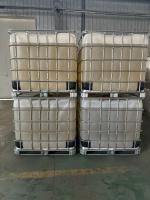
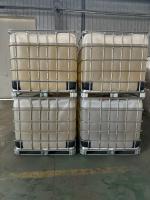
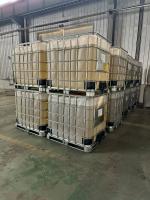
Operationally, FLOQUAT® FL3050 offers several practical benefits. It is supplied as a liquid product, eliminating the need for complex polymer dissolution systems. The product mixes rapidly with water and can be accurately metered using standard chemical dosing pumps. Because it generates considerably less sludge than conventional metal-salt coagulants, disposal costs are often reduced. Furthermore, lower metal residuals in treated water can improve downstream membrane performance and reduce fouling in advanced treatment systems.
From an environmental perspective, FLOQUAT® FL3050 contributes to improved resource efficiency by enabling greater water reuse, reducing freshwater consumption, lowering sludge generation, and decreasing the overall chemical footprint of water treatment plants. These advantages make it an attractive solution for industries seeking sustainable wastewater management while complying with increasingly stringent environmental regulations.
In summary, FLOQUAT® FL3050 branched polyamine is a highly effective organic coagulant designed for rapid charge neutralization and clarification. Its major applications include drinking water treatment, municipal wastewater treatment, industrial wastewater treatment, paper and pulp processing, textile wastewater decolorization, food and beverage wastewater treatment, oil refinery wastewater treatment, mining and mineral processing, sludge conditioning, dissolved air flotation, and process-water recycling. Owing to its branched polyamine structure, high cationic charge density, fast reaction rate, broad pH compatibility, low sludge production, and excellent compatibility with inorganic coagulants and polymer flocculants, FLOQUAT® FL3050 provides reliable, efficient, and cost-effective solid–liquid separation across a wide range of water treatment applications.