

Our Products

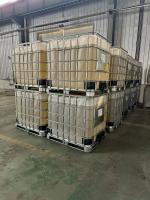
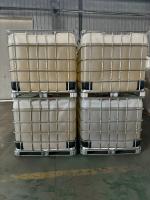
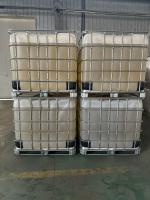
coagulant / polyamine solution for high COD wastewater treatment
525_small.jpg "polyamine solution for high COD wastewater treatment")
Polyamine Solution for High COD Wastewater Treatment
High Chemical Oxygen Demand (COD) wastewater is one of the most challenging categories of industrial effluents, typically originating from petrochemical processing, textile dyeing, pulp and paper production, food processing, slaughterhouses, and certain mining and metallurgical operations. High COD values indicate a large concentration of oxidizable organic compounds, including emulsified oils, surfactants, dyes, proteins, carbohydrates, and complex refractory organics. Effective treatment of such wastewater requires a combination of coagulation, flocculation, and sometimes advanced oxidation or biological processes. Among chemical conditioning agents, polyamine solutions have become widely recognized as highly efficient primary coagulants for high COD wastewater treatment systems.
1. Chemical Nature and Mechanism of Polyamine
Polyamine is a type of cationic polymeric coagulant, typically synthesized through the reaction of epichlorohydrin with amine-based monomers such as dimethylamine or ethylenediamine. The resulting product is a water-soluble, low-to-medium molecular weight polymer with a high density of positively charged functional groups.
The performance of polyamine in wastewater treatment is primarily based on three mechanisms:
1.1 Charge Neutralization
Most pollutants contributing to COD—such as colloidal organic matter and emulsified oil droplets—carry a negative surface charge in water. Polyamine, with its strong cationic charge, rapidly neutralizes these particles, destabilizing the colloidal system.
1.2 Adsorption and Bridging
Although polyamine has relatively lower molecular weight compared to polyacrylamide flocculants, its polymeric structure still allows partial bridging between destabilized particles, promoting microfloc formation.
1.3 Compression of Electrical Double Layer
The high ionic strength of polyamine solution compresses the electrical double layer around colloids, reducing repulsive forces and accelerating aggregation.
2. Characteristics of High COD Wastewater
High COD wastewater typically exhibits the following properties:
- COD values often exceeding 1,000–10,000 mg/L
- Presence of emulsified oils and grease
- High concentration of dissolved organic compounds
- Strong coloration (especially in dye and textile wastewater)
- Variable pH and salinity
- Poor biodegradability in raw state
Such complexity makes direct biological treatment inefficient without pretreatment. Therefore, chemical coagulation using polyamine is often employed as a front-end process.
3. Role of Polyamine Solution in High COD Removal
Polyamine is particularly effective in reducing COD by targeting the colloidal and emulsified fraction of organic pollution. While it does not directly oxidize organic molecules, it removes a large portion of COD contributors through physical-chemical separation.
3.1 Removal of Suspended Organic Matter
Suspended solids and colloids are major contributors to COD. Polyamine destabilizes these particles, forming dense flocs that can be removed by sedimentation or flotation.
3.2 Emulsified Oil Breaking
In oily wastewater, polyamine acts as an emulsion breaker by neutralizing surfactant-stabilized oil droplets, allowing phase separation.
3.3 Color and Dye Reduction
In textile wastewater, many dyes are anionic. Polyamine effectively binds dye molecules, significantly reducing apparent COD associated with colorants.
3.4 Reduction of Organic Load Before Biological Treatment
By removing 30–70% of COD in pretreatment, polyamine significantly reduces load on downstream biological systems, improving stability and reducing aeration costs.
4. Application Process of Polyamine in Wastewater Treatment
4.1 Dosing and Mixing
Polyamine is typically supplied as a liquid solution with 20–50% active content. It is dosed into rapid mixing tanks at controlled flow rates. Efficient mixing is critical to ensure uniform dispersion and charge interaction.
4.2 Coagulation Stage
Upon addition, rapid destabilization of colloids occurs within seconds to minutes. This stage is essential for initial COD reduction.
4.3 Flocculation Stage
After coagulation, slow mixing allows formation of larger flocs. In many systems, polyamine is combined with anionic or nonionic polyacrylamide to enhance floc size and settling velocity.
4.4 Solid-Liquid Separation
The formed flocs are removed via:
- Sedimentation tanks
- Dissolved air flotation (DAF) systems
- Lamella clarifiers
- Filtration units
5. Advantages of Polyamine for High COD Wastewater
5.1 High Efficiency at Low Dosage
Due to strong cationic charge density, polyamine achieves significant COD reduction at relatively low chemical dosage compared to traditional inorganic coagulants.
5.2 Fast Reaction Kinetics
Polyamine reacts rapidly with negatively charged contaminants, reducing hydraulic retention time in treatment systems.
5.3 Reduced Sludge Volume
Compared to aluminum or iron salts, polyamine generates less inorganic sludge, lowering disposal costs.
5.4 Wide pH Tolerance
Polyamine performs effectively across a broad pH range (typically 4–10), reducing the need for extensive pH adjustment.
5.5 Compatibility with Other Chemicals
It can be combined with PAC (polyaluminum chloride), ferric salts, or polyacrylamide to enhance treatment performance.
6. Industrial Applications
6.1 Textile Wastewater
Polyamine is widely used for decolorization and COD reduction in dyeing and printing effluents.
6.2 Pulp and Paper Industry
It helps remove lignin, resins, and suspended fibers, significantly reducing COD in white water systems.
6.3 Food Processing Wastewater
Effective in removing fats, oils, proteins, and starch-based organics.
6.4 Petrochemical and Refinery Wastewater
Used for emulsified oil breaking and hydrocarbon removal.
6.5 Mining and Metallurgical Wastewater
Assists in removing organic flotation reagents and suspended fine solids contributing to COD.
7. Optimization Factors
The performance of polyamine in high COD wastewater depends on several operational parameters:
- Dosage optimization: Overdosing may lead to charge reversal and reduced efficiency
- Mixing intensity: Insufficient mixing reduces contact efficiency
- pH control: Although flexible, extreme pH may reduce performance
- Coagulant combination: Synergistic use with inorganic coagulants improves results
- Temperature: Higher temperatures generally enhance reaction kinetics
8. Environmental and Economic Considerations
From an environmental perspective, polyamine-based treatment systems contribute to:
- Lower sludge generation
- Reduced metal ion discharge (compared to alum/iron salts)
- Improved downstream biodegradability
Economically, the reduction in aeration energy demand and sludge handling cost makes polyamine a cost-effective option for high COD industrial wastewater pretreatment.
9. Conclusion
Polyamine solution is a highly effective cationic coagulant for high COD wastewater treatment, particularly in industrial effluents containing emulsified oils, dyes, and complex organic matter. Its strong charge neutralization capability, rapid reaction kinetics, and compatibility with other treatment chemicals make it a key component in modern wastewater treatment systems. When properly optimized, polyamine significantly reduces COD load, enhances solid-liquid separation, and improves the overall efficiency and stability of both physicochemical and biological treatment processes.