Application of Polyamine
1. Overview of Polyamine
Polyamine is a cationic polymer coagulant widely used in water treatment, wastewater treatment, and mineral processing. It is typically produced by the polymerization of epichlorohydrin and amine-based monomers, resulting in a polymer with high positive charge density and relatively low molecular weight. Because of these characteristics, polyamine functions primarily as a coagulant or coagulant aid, rather than a high-molecular-weight flocculant.
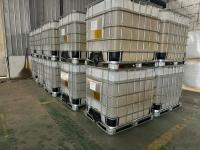
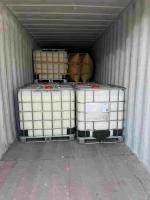
Polyamine is usually supplied as a liquid product, making it easy to dilute, dose, and control in continuous treatment systems. Its rapid reaction speed and strong charge neutralization ability make polyamine especially suitable for treating water and slurry systems containing fine, negatively charged particles.
2. Working Mechanism of Polyamine
The performance of polyamine is mainly based on charge neutralization and patch coagulation. Most suspended solids, colloids, and emulsified particles in water systems carry a negative surface charge. This negative charge causes electrostatic repulsion, preventing particles from aggregating naturally.
When polyamine is added:
-
The positively charged polymer adsorbs onto particle surfaces
-
Surface charge is neutralized or reduced
-
Electrostatic repulsion is eliminated
-
Particles collide and form micro-aggregates
Because polyamine has a short polymer chain, it forms small, dense flocs rather than large, fluffy flocs. These micro-flocs are ideal for rapid clarification and also serve as excellent nuclei for further floc growth when followed by polyacrylamide flocculants.
3. Application of Polyamine in Water Treatment
3.1 Raw Water Clarification
Polyamine is widely used in surface water and raw water clarification. It effectively removes:
-
Turbidity
-
Suspended solids
-
Fine clay and silt
-
Natural organic matter
Compared with inorganic coagulants such as alum or ferric salts, polyamine produces less sludge, works over a broader pH range, and shows stable performance under fluctuating raw water quality. In many plants, polyamine is used alone or in combination with metal salts to improve settling and filtration efficiency.
3.2 Industrial Wastewater Treatment
In industrial wastewater systems, polyamine is applied to treat effluents containing:
Polyamine is particularly effective for oil-containing wastewater, where it destabilizes emulsified oil droplets and promotes separation by flotation or sedimentation. Industries that commonly use polyamine include petrochemical plants, steel mills, textile factories, chemical manufacturing facilities, and refineries.
3.3 Sludge Conditioning and Dewatering
Another important application of polyamine is sludge conditioning prior to dewatering. Sludge particles usually carry a strong negative charge, which hinders water release.
Polyamine improves sludge dewatering by:
It is often used as a primary coagulant ahead of cationic or anionic polyacrylamide, reducing overall polymer consumption and improving cake solids content in belt presses, centrifuges, and filter presses.
4. Application of Polyamine in Mining and Mineral Processing
4.1 Tailings Treatment and Thickening
In mining operations, polyamine is widely used in tailings thickeners and clarifiers. Mining slurries contain fine mineral particles such as clay, silica, and metal oxides, which are difficult to settle.
Polyamine helps by:
-
Rapidly destabilizing fine particles
-
Promoting initial agglomeration
-
Improving overflow clarity
Because of its fast action, polyamine is frequently applied as a coagulant aid before anionic polyacrylamide flocculants, which then form large, settleable flocs.
4.2 Process Water Clarification and Recycling
Polyamine plays a key role in process water recovery in mineral processing plants. Clear recycled water is essential for flotation, grinding, and classification circuits.
By removing fine suspended solids efficiently, polyamine:
-
Improves recycled water quality
-
Reduces fresh water demand
-
Enhances overall plant water balance
Its effectiveness under high solids concentration and variable pH makes polyamine suitable for harsh mining environments.
4.3 Alumina and Red Mud Processing
In alumina refineries, polyamine is used in red mud settling, washing, and clarification systems. Red mud particles are extremely fine and carry strong negative charges.
Polyamine improves:
Its chemical stability allows polyamine to perform reliably under high alkalinity and high temperature conditions typical of the Bayer process.
5. Advantages of Polyamine
Key advantages of polyamine include:
-
High charge density for effective coagulation
-
Rapid reaction and fast settling
-
Lower sludge production compared to metal salts
-
Excellent compatibility with polyacrylamide flocculants
-
Stable performance over a wide pH range
-
Easy handling and dosing as a liquid product
These benefits make polyamine a cost-effective and versatile solution for many solid–liquid separation processes.




201_small.jpg "polyamine coagulant supplier|cationic polyamine flocculant")
998_small.jpg "China polyamine manufacturer|polyamine(20-50%) suppliers")