Our Products
coagulant / the application of polyamine for mining wastewater treatment
767_small.jpg "the application of polyamine for mining wastewater treatment")


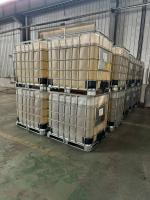
Polyamine is a highly effective cationic organic coagulant widely used in mining wastewater treatment. Mining operations generate large volumes of wastewater containing suspended solids, fine mineral particles, heavy metals, process chemicals, and high turbidity. These contaminants make mining effluent difficult to treat using simple physical methods alone. Polyamine plays a crucial role in destabilizing fine particles, enhancing solid-liquid separation, and improving overall water quality for discharge or reuse.
Mining wastewater composition varies depending on the type of mining activity (coal, gold, copper, iron, phosphate, etc.), but it generally contains:
These particles are often very fine and negatively charged, making them stable in suspension and difficult to settle naturally.
Polyamine is synthesized from amine-based monomers such as dimethylamine and epichlorohydrin, forming a water-soluble cationic polymer with high charge density.
Key properties include:
These properties make polyamine highly suitable for challenging mining effluents.
Polyamine improves mining wastewater treatment through several mechanisms:
(1) Charge neutralization
Most mineral particles in mining wastewater carry negative charges. Polyamine neutralizes these charges, reducing electrostatic repulsion and allowing particles to aggregate.
(2) Floc formation
Once destabilized, fine particles collide and form microflocs, which further grow into larger flocs that can settle or float.
(3) Adsorption and bridging
Polyamine adsorbs onto particle surfaces and binds multiple mineral particles together, forming compact aggregates.
(4) Heavy metal co-precipitation support
Polyamine helps bind dissolved or colloidal heavy metal species, facilitating their removal during solid-liquid separation.
Polyamine is widely used across different stages of mining wastewater treatment:
Tailings water contains extremely fine mineral particles that are difficult to settle. Polyamine improves sedimentation by aggregating fine solids into larger flocs.
Benefits:
In thickening processes, polyamine enhances the settling rate of mineral slurry, improving underflow density and reducing water content.
Benefits:
Polyamine is used to condition mining sludge before mechanical dewatering processes such as filter presses or centrifuges.
Benefits:
Mining processes often use flotation chemicals. Polyamine helps remove residual reagents, fine particles, and oil-like substances from flotation effluents.
In acidic wastewater containing dissolved metals, polyamine assists in coagulating metal hydroxides and suspended solids after pH adjustment.
Benefits:
(1) High efficiency for fine particles
Mining wastewater contains ultra-fine particles that are difficult to settle; polyamine effectively aggregates them.
(2) Fast reaction and settling
Rapid floc formation improves throughput in thickening and clarification systems.
(3) Reduced sludge volume
Compared to inorganic coagulants, polyamine produces denser sludge with lower volume.
(4) Improved water recovery
Higher clarity overflow water allows better recycling in mining operations.
(5) Wide adaptability
Effective across different mineral types and process conditions.
The optimal dosage of polyamine depends on mineral composition and process conditions.
Typical dosage range:
Key influencing factors:
Jar testing and pilot trials are essential for optimization.
Polyamine is often used with other chemicals in mining wastewater treatment:
(1) Anionic or cationic polyacrylamide (PAM):
Enhances floc size and strength after charge neutralization.
(2) Inorganic coagulants (lime, PAC, ferric salts):
Used to improve heavy metal precipitation and reduce cost.
(3) pH adjusters (lime, sodium hydroxide):
Essential for metal removal in acidic mine water.
This combination approach ensures comprehensive treatment of complex mining effluents.
(1) Overdosing risk
Excess polyamine can restabilize fine particles and reduce clarification efficiency.
(2) High variability of wastewater
Mining wastewater composition changes depending on ore type and process conditions.
(3) Cost considerations
Polyamine is more expensive than inorganic coagulants, but often more efficient.
(4) Need for process control
Continuous monitoring is required to maintain optimal performance.
Polyamine is widely used in:
It is especially valuable in large-scale mining operations where water recycling and environmental compliance are critical.
The use of polyamine in mining wastewater treatment is expected to grow due to:
Future products will focus on improved efficiency, lower dosage, and better performance in extreme conditions.
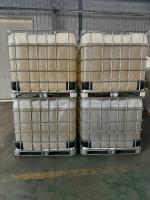
500_small.jpg "polyamine(HS:3402410000)manufacturer|polyamine suppliers in China")