Application of Polyamine
Polyamine is a strongly cationic, water-soluble organic polymer widely used as a primary coagulant or coagulant aid in water treatment and industrial separation processes. It is typically produced by the polymerization of epichlorohydrin with various amines, resulting in a polymer with high charge density, fast reaction speed, and excellent compatibility with other treatment chemicals. Due to these characteristics, polyamine plays a critical role in drinking water treatment, wastewater clarification, sludge conditioning, industrial effluent treatment, and pulp and paper processing.
Coagulation Mechanism and Functional Role
The fundamental function of polyamine is charge neutralization. Most suspended solids, colloidal particles, organic matter, and emulsified oils in water systems carry a negative surface charge, which causes electrostatic repulsion and prevents aggregation and settling.
Polyamine contains a high concentration of positively charged amine groups along its molecular backbone. When added to water, these groups rapidly neutralize the negative charges on particle surfaces, destabilizing the colloids and allowing them to collide and form microflocs. These microflocs can then be removed by sedimentation, dissolved air flotation (DAF), filtration, or further flocculation using high-molecular-weight polymers. Compared with inorganic coagulants, polyamine reacts faster and generates less sludge.
Municipal Drinking Water Treatment
One of the most important applications of polyamine is in municipal drinking water treatment plants. Raw water from rivers, lakes, and reservoirs often contains clay, silt, algae, bacteria, and natural organic matter, which contribute to turbidity and color.
Polyamine is typically dosed at the rapid mixing stage as a primary organic coagulant or as a coagulant aid in combination with aluminum or iron salts. Its use improves turbidity removal, accelerates floc formation, and enhances sedimentation efficiency. Compared with traditional inorganic coagulants, polyamine offers lower sludge production, reduced alkalinity consumption, and minimal residual metals, helping to improve finished water quality and operational efficiency.
Municipal and Industrial Wastewater Treatment
Polyamine is extensively applied in municipal and industrial wastewater treatment systems to remove suspended solids, colloidal organics, and emulsified contaminants. In municipal wastewater plants, polyamine improves primary clarification, reduces solids loading on biological treatment processes, and enhances overall plant stability.
In industrial wastewater applications—such as oil and gas, petrochemical, textile dyeing, food processing, chemical manufacturing, and metal finishing—polyamine is particularly effective at breaking emulsions, removing oils and greases, and reducing turbidity and chemical oxygen demand (COD). Its rapid coagulation action makes it suitable for high-flow and short-retention-time systems.
Sludge Conditioning and Dewatering Enhancement
Another major application of polyamine is in sludge conditioning prior to mechanical dewatering. Sludge particles typically exhibit strong negative surface charges that hinder floc formation and water release.
Polyamine is commonly used as a pre-coagulant before the addition of cationic polyacrylamide flocculants. By neutralizing surface charges, polyamine improves floc structure and strength, allowing flocculants to work more efficiently. This results in reduced polymer consumption, improved filtrate clarity, higher cake solids, and more stable dewatering performance in centrifuges, belt filter presses, and filter presses. Polyamine is especially effective for high-organic, oily, or difficult-to-dewater sludges.
Industrial Process Water and Effluent Treatment
Polyamine is widely used in industrial process water systems and effluent treatment plants across industries such as mining, metallurgy, power generation, pulp and paper, and electronics manufacturing. In these systems, it helps remove fine suspended solids, colloidal silica, color bodies, and organic impurities, improving clarification and protecting downstream equipment such as membranes and heat exchangers.
Its fast reaction speed and broad pH tolerance make polyamine well suited for compact treatment systems and processes subject to fluctuating water quality.
Pulp and Paper Industry Applications
In the pulp and paper industry, polyamine is used as a fixing agent and wet-end process chemical. Modern papermaking systems, particularly those using recycled fiber, generate significant amounts of anionic trash that interfere with retention and drainage.
Polyamine neutralizes these anionic substances, improving fines and filler retention, enhancing drainage, and stabilizing wet-end chemistry. This leads to higher paper machine productivity, improved sheet quality, and reduced overall chemical usage.
Operational Advantages
Key advantages of polyamine across all applications include:
-
High cationic charge density and rapid coagulation
-
Effective performance over a wide pH and temperature range
-
Lower sludge production compared with metal salts
-
Excellent compatibility with PolyDADMAC and polymer flocculants
-
Liquid form for easy handling and precise dosing
These features make polyamine a flexible and cost-effective solution for diverse treatment requirements.

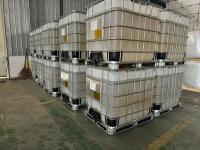


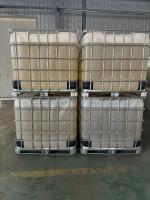
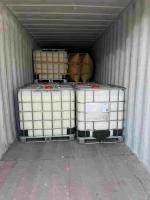
970_small.jpg "polyamine for oilfield produced water treatment")