

Our Products

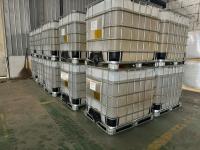
coagulant / polydadmac kEMSEP C9014 can be replaced by Chinafloc
994_small.jpg "polydadmac kEMSEP C9014 can be replaced by Chinafloc")
KemSep C9014 is a polyDADMAC (polydiallyldimethylammonium chloride) coagulant with a high cationic charge density that is widely used in water treatment and industrial solid–liquid separation processes. As a liquid cationic polymer, it is designed to destabilize negatively charged colloids, suspended solids, natural organic matter, and emulsified contaminants. Unlike high-molecular-weight flocculants that primarily rely on polymer bridging, polyDADMAC products such as KemSep C9014 work mainly through charge neutralization, making them highly effective in the initial stages of clarification and coagulation. They are frequently used alone or in combination with inorganic coagulants and polyacrylamide flocculants to improve treatment efficiency.
One of the most important applications of KemSep C9014 is in municipal drinking water treatment. Surface water from rivers, lakes, and reservoirs usually contains clay particles, silt, algae, microorganisms, and dissolved organic matter that remain suspended because of their negative surface charge. KemSep C9014 rapidly neutralizes these charges, allowing particles to collide and form larger aggregates that settle in sedimentation tanks or are removed through filtration. The product helps reduce turbidity, color, and suspended solids while improving the performance of downstream sand filters and membrane filtration systems. Because polyDADMAC is effective at relatively low dosages, it can reduce chemical consumption and minimize sludge production compared with conventional treatment methods.
KemSep C9014 is also widely used in municipal wastewater treatment plants. Primary and secondary wastewater contains suspended organic matter, biological solids, phosphorus-containing particles, and fine colloids that are difficult to remove without chemical conditioning. The high cationic charge density of KemSep C9014 destabilizes these particles, allowing them to form settleable flocs. It is commonly applied before primary clarifiers, dissolved air flotation (DAF) systems, and tertiary clarification units. The result is improved suspended solids removal, lower effluent turbidity, reduced chemical oxygen demand (COD), and improved compliance with environmental discharge regulations.
In industrial wastewater treatment, KemSep C9014 has applications across numerous industries, including textile manufacturing, paper production, food processing, chemical manufacturing, metal finishing, mining, and electronics production. Industrial wastewater often contains emulsified oils, dyes, surfactants, fine suspended solids, heavy metals, and colloidal organic compounds that resist natural settling. By rapidly neutralizing the electrical charge on these contaminants, KemSep C9014 promotes coagulation and significantly improves clarification efficiency. In many facilities, it is combined with inorganic coagulants such as polyaluminum chloride (PAC), aluminum sulfate (alum), or ferric chloride, followed by a polyacrylamide flocculant that enlarges the coagulated particles into strong, easily separable flocs.
The pulp and paper industry is another major user of KemSep C9014. Paper mills continuously recycle large volumes of process water containing fibers, fillers, sizing agents, inks, and dissolved organic materials. Excess suspended solids can reduce paper quality, clog equipment, and increase wastewater treatment costs. KemSep C9014 improves fiber and filler retention, clarifies white water, and enhances the efficiency of dissolved air flotation systems. It also helps reduce raw material losses by recovering valuable fibers and mineral fillers for reuse within the papermaking process. In wastewater treatment systems, it improves sludge settling and reduces the suspended solids concentration in discharged water.
KemSep C9014 is widely used in oil and gas operations, particularly for produced water treatment. Produced water commonly contains dispersed oil droplets, suspended solids, corrosion products, drilling additives, and naturally occurring organic compounds. The cationic polymer destabilizes emulsified oil droplets and fine particles, allowing them to aggregate into larger particles that can be removed by flotation, gravity separation, or filtration. This improves water quality before reinjection, reuse, or environmental discharge. The product is also applied in refinery wastewater treatment, where it assists in removing oil, grease, and suspended contaminants generated during petroleum refining.
In the mining and mineral processing industry, KemSep C9014 is applied to improve clarification of process water and treatment of mine wastewater. Mining operations generate water containing clay, fine mineral particles, suspended solids, and dissolved metals. PolyDADMAC serves as a primary coagulant, rapidly neutralizing particle charges before flocculation. This accelerates settling, improves overflow clarity, and increases water recovery for recycling back into the processing plant. In some operations, KemSep C9014 is used together with anionic polyacrylamide flocculants to achieve faster thickening and improved tailings management.
Another significant application is in the textile industry, where wastewater often contains dyes, pigments, surfactants, sizing chemicals, and suspended fibers. Many textile dyes are negatively charged and remain stable in solution, making them difficult to remove by sedimentation alone. KemSep C9014 effectively destabilizes these dye molecules and colloids, promoting coagulation and improving color removal. When used with inorganic coagulants and flocculants, it significantly reduces color, turbidity, COD, and suspended solids, helping textile plants comply with increasingly strict environmental regulations.
In the food and beverage industry, wastewater generated from meat processing, dairy production, breweries, beverage manufacturing, and vegetable processing contains proteins, fats, oils, starch, sugars, and suspended organic matter. KemSep C9014 enhances coagulation by aggregating these contaminants into larger particles that can be separated through sedimentation or dissolved air flotation. This improves treatment efficiency, reduces organic loading on biological treatment systems, and lowers operating costs.
KemSep C9014 is also highly effective in dissolved air flotation (DAF) systems, where it acts as a coagulant before flotation. Proper coagulation creates compact flocs that readily attach to microscopic air bubbles generated in the DAF unit. The attached flocs float rapidly to the surface, where they are removed by skimmers. This process is widely used in food processing plants, slaughterhouses, paper mills, petrochemical facilities, and municipal wastewater treatment plants because it efficiently removes oils, grease, algae, and suspended solids.
In sludge conditioning, KemSep C9014 improves the performance of downstream flocculants by neutralizing particle charges before polymer bridging occurs. This often reduces the required dosage of high-molecular-weight flocculants and improves sludge dewatering performance in centrifuges, belt filter presses, and screw presses. Better-conditioned sludge produces higher cake solids, lower moisture content, and reduced disposal costs.
KemSep C9014 is also employed in membrane pretreatment systems. Membrane technologies such as ultrafiltration (UF), nanofiltration (NF), and reverse osmosis (RO) are sensitive to fouling caused by suspended solids and colloidal particles. By removing these contaminants before membrane filtration, KemSep C9014 extends membrane life, reduces cleaning frequency, improves permeate quality, and lowers overall operating costs.
From an operational standpoint, KemSep C9014 is usually dosed as a diluted liquid solution and rapidly mixed into the water stream to ensure uniform distribution. The exact dosage depends on water chemistry, turbidity, organic content, pH, temperature, and the concentration of suspended solids. Jar testing is commonly performed to determine the optimum dosage and to evaluate compatibility with other treatment chemicals. Because overdosing can restabilize particles or increase residual polymer levels, careful optimization is important for achieving maximum treatment efficiency.
In summary, KemSep C9014 is a versatile polyDADMAC coagulant with applications in drinking water treatment, municipal wastewater treatment, industrial wastewater clarification, pulp and paper manufacturing, mining and mineral processing, oil and gas produced water treatment, textile dye removal, food and beverage wastewater treatment, dissolved air flotation systems, sludge conditioning, and membrane pretreatment. Its high cationic charge density enables rapid charge neutralization, improved coagulation, enhanced clarification, reduced turbidity, and more efficient solid–liquid separation. When used alone or together with inorganic coagulants and polyacrylamide flocculants, KemSep C9014 helps improve water quality, increase water recovery, reduce operating costs, and support reliable, environmentally compliant treatment processes across a wide range of industries.
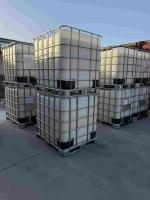
889_small.jpg "The replacement of Hyperfloc CP 614 PWG 615 PWG 618 PWG polydadmac")