Our Products
coagulant / polyamine with strong charge neutralization capability
522_small.jpg "polyamine with strong charge neutralization capability")


Polyamine is a class of highly cationic polymers distinguished by their strong charge neutralization capability, making them essential coagulants in a wide range of industrial water treatment and solid–liquid separation processes. These polymers are typically synthesized through condensation reactions involving amine-based monomers and crosslinking agents such as epichlorohydrin, resulting in a polymer backbone rich in protonated amine functional groups. The high density of these positively charged groups is the fundamental basis for their exceptional performance in destabilizing negatively charged colloidal systems.
In aqueous systems, most suspended solids, colloidal particles, and dissolved organic substances carry a net negative surface charge. This includes clay minerals, silica, organic macromolecules, dyes, emulsified oils, and biological residues. The negative charge generates electrostatic repulsion between particles, which prevents aggregation and maintains colloidal stability. This phenomenon is quantitatively described by the concept of zeta potential, a key parameter in colloid chemistry. When the absolute value of zeta potential is high (either positive or negative), particles remain dispersed and resist sedimentation.
Polyamine, due to its strong cationic charge density, effectively neutralizes this negative surface charge through electrostatic interaction. Upon addition to a colloidal system, the polymer chains rapidly adsorb onto particle surfaces, reducing the zeta potential toward zero. This compression of the electrical double layer eliminates repulsive forces and allows van der Waals attraction to dominate, leading to particle aggregation. This process is known as charge neutralization, and it is the primary mechanism by which polyamine functions as a coagulant.
The efficiency of charge neutralization by polyamine is influenced by several key parameters, including charge density, molecular weight, polymer structure, and solution conditions such as pH and ionic strength. High charge density is particularly critical, as it determines the number of available cationic sites for interaction with negatively charged species. Polyamine polymers typically exhibit charge densities significantly higher than those of conventional flocculants such as polyacrylamide, enabling rapid and effective destabilization even at low dosages.
Unlike high-molecular-weight flocculants that rely on bridging mechanisms, polyamine operates predominantly through adsorption and neutralization. This allows for fast reaction kinetics, making it suitable for applications requiring rapid clarification, such as high-rate sedimentation, dissolved air flotation (DAF), and continuous flow treatment systems. The relatively low to medium molecular weight of polyamine enhances its diffusion rate in solution, ensuring uniform distribution and efficient contact with target particles.
One of the most significant advantages of polyamine with strong charge neutralization capability is its effectiveness in treating wastewater containing high concentrations of dissolved and colloidal organic matter. For example, in textile dyeing and printing wastewater, polyamine can efficiently remove anionic dyes and color bodies, achieving high decolorization efficiency. In oilfield produced water, it destabilizes emulsified oil droplets and promotes coalescence, improving oil–water separation. In mining and coal washing wastewater, it enhances the aggregation of fine mineral particles, improving settling and thickening performance.
In papermaking processes, polyamine plays a critical role in controlling anionic trash and improving retention and drainage. Dissolved and colloidal substances such as lignin fragments, fatty acids, and resin acids can interfere with the performance of retention aids and sizing agents. Polyamine neutralizes these anionic species, reducing their impact and stabilizing the wet-end chemistry. This results in improved fines and filler retention, better drainage, and enhanced paper quality.
The application of polyamine is not limited to industrial wastewater treatment; it is also widely used in drinking water purification. In such systems, it serves as a primary coagulant for the removal of natural organic matter (NOM), turbidity, and microorganisms. Compared with inorganic coagulants such as aluminum sulfate or ferric salts, polyamine offers advantages including lower sludge production, reduced sensitivity to pH variations, and the absence of residual metal ions in treated water.
From a process design perspective, the use of polyamine requires careful optimization of dosage, mixing conditions, and point of application. Typical dosage ranges from 5 to 200 mg/L, depending on the nature and concentration of contaminants. Rapid mixing is essential immediately after dosing to ensure uniform dispersion and effective adsorption onto particle surfaces. This is followed by slower mixing to allow for the growth of microflocs and their aggregation into larger flocs when used in combination with secondary flocculants.
Polyamine is often used in conjunction with high-molecular-weight polymers such as anionic or nonionic polyacrylamide to form dual or multi-component treatment systems. In such systems, polyamine provides the initial charge neutralization, while the flocculant facilitates bridging and floc growth. This synergistic interaction results in improved floc structure, faster settling rates, and better separation efficiency.
Environmental and operational considerations also favor the use of polyamine. As an organic coagulant, it reduces the need for inorganic salts and minimizes the generation of metal-containing sludge. The resulting sludge is typically lower in volume and easier to dewater, reducing disposal costs. Additionally, polyamine is effective over a wide pH range and maintains performance in the presence of high salinity, making it suitable for diverse industrial environments.
However, the strong charge neutralization capability of polyamine also necessitates precise control to avoid overdosing. Excessive addition can lead to charge reversal, where particles become positively charged and restabilized, resulting in poor treatment performance. Therefore, monitoring of zeta potential and streaming current is often employed in advanced systems to ensure optimal dosing.
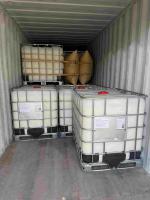
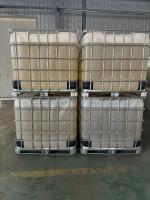
In terms of product characteristics, polyamine is typically supplied as a liquid with active content ranging from 10% to 50% and viscosity tailored for ease of handling. Variations in molecular structure and charge density allow for customization to specific applications, enabling targeted performance in different industrial sectors.
In conclusion, polyamine with strong charge neutralization capability is a highly efficient and versatile coagulant for a wide range of applications involving colloidal destabilization and solid–liquid separation. Its high cationic charge density, rapid reaction kinetics, and adaptability to various process conditions make it an indispensable component in modern water treatment and industrial processing systems. Through proper selection and optimization, polyamine delivers significant improvements in clarification efficiency, resource recovery, and environmental sustainability.