Our Products
coagulant / polyamine chemical for oilfield produced water treatment


Polyamine is a highly effective cationic polymer widely applied in oilfield produced water treatment systems, particularly for the removal of emulsified oil, suspended solids, and negatively charged colloidal contaminants. Produced water, a major byproduct of oil and gas extraction, is characterized by complex composition, including dispersed and dissolved hydrocarbons, formation solids, corrosion products, scale particles, salts, and residual chemical additives such as surfactants and demulsifiers. Efficient treatment of this wastewater is essential for reinjection, reuse, or compliant discharge, and polyamine plays a critical role as a primary coagulant in achieving these objectives.
Produced water typically contains oil in various forms: free oil (>100 μm), dispersed oil (20–100 μm), and emulsified oil (<20 μm). The emulsified fraction is particularly challenging to remove due to its stability, which arises from natural surfactants (e.g., asphaltenes and resins) and added production chemicals. These oil droplets and suspended particles generally carry a negative surface charge, resulting in electrostatic repulsion that prevents coalescence and settling. Polyamine, with its high cationic charge density, is specifically designed to destabilize such systems through charge neutralization and electrostatic adsorption.
The primary mechanism of polyamine in produced water treatment is rapid charge neutralization. Upon addition to the wastewater stream, the positively charged amine groups interact with negatively charged oil droplets and suspended solids, neutralizing their surface charge and reducing the zeta potential. This destabilization weakens the interfacial film surrounding emulsified oil droplets, allowing them to coalesce into larger droplets. Simultaneously, fine solids aggregate into microflocs. These processes significantly enhance the efficiency of downstream separation units such as gravity separators, hydrocyclones, induced gas flotation (IGF), or dissolved air flotation (DAF) systems.
In many oilfield applications, polyamine is used in combination with other treatment chemicals, forming a synergistic system. For example, it may be applied upstream of flotation units to improve oil removal efficiency, or in conjunction with anionic or nonionic polyacrylamide flocculants to enhance floc size and settling characteristics. In some cases, polyamine also complements demulsifiers by breaking stable emulsions and facilitating oil–water separation. The selection of chemical combinations depends on produced water characteristics, including oil content, salinity, temperature, and the presence of treatment additives.
The dosage of polyamine in produced water treatment typically ranges from 10 to 200 mg/L, depending on system complexity and treatment targets. Higher dosages may be required for water with high oil content, strong emulsification, or high concentrations of fine solids. Laboratory bottle tests and field trials are essential for determining optimal dosage and evaluating compatibility with other chemicals. Overdosing should be avoided, as it may lead to charge reversal, restabilization of emulsions, or increased chemical costs.
Polyamine exhibits excellent performance across a wide range of operating conditions commonly encountered in oilfield environments. It remains effective in high-salinity waters, including seawater and formation brines, where ionic strength can interfere with the performance of some conventional coagulants. Its stability at elevated temperatures, often exceeding 60°C, makes it suitable for both onshore and offshore applications. Furthermore, polyamine maintains its cationic charge over a broad pH range, typically from pH 4 to 9, ensuring consistent performance under varying process conditions.
One of the key advantages of polyamine is its ability to achieve high oil removal efficiency. When properly applied, it can reduce oil-in-water concentrations to below 10–30 mg/L, meeting stringent discharge or reinjection standards. This is particularly important in offshore platforms and environmentally sensitive regions where regulatory limits are strict. In addition to oil removal, polyamine contributes to the reduction of turbidity and total suspended solids, improving overall water quality.
Another important benefit is the reduction of sludge volume compared with inorganic coagulants such as ferric chloride or aluminum sulfate. Polyamine does not rely on the formation of metal hydroxide precipitates, resulting in less sludge generation and lower disposal costs. The flocs formed are typically denser and more compact, which enhances dewatering efficiency in downstream processes such as filtration or centrifugation.
Polyamine also plays a role in mitigating fouling and scaling in reinjection systems and surface equipment. By removing fine solids and destabilizing emulsified oil, it reduces the risk of pore plugging in reservoir formations and minimizes deposition on pipelines, heat exchangers, and membranes. This contributes to improved operational reliability and reduced maintenance requirements.
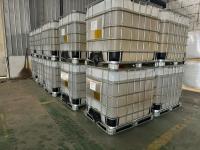
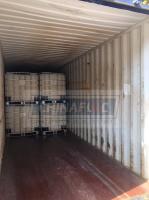
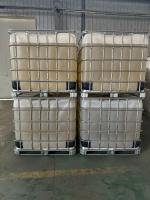
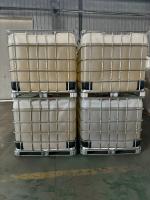
From an operational perspective, polyamine is usually supplied as a liquid product with moderate viscosity and active content ranging from 10% to 50%. It is easy to handle and can be dosed using standard metering pumps. Proper dilution and mixing are essential to ensure uniform distribution and effective interaction with contaminants. Injection points are typically located upstream of separation units, where sufficient turbulence is available for rapid dispersion.
Environmental considerations are increasingly important in oilfield operations. Polyamine offers advantages due to its relatively low toxicity and reduced environmental impact compared with some traditional coagulants. However, the selection of product grade should consider biodegradability and residual monomer content, especially in offshore discharge applications. Compliance with local environmental regulations and industry standards is essential.
In advanced treatment systems, polyamine is often integrated with membrane filtration technologies such as ultrafiltration (UF) and reverse osmosis (RO). Pre-treatment with polyamine significantly reduces fouling potential by removing oil and suspended solids, thereby enhancing membrane performance and extending operational life. It is also used in combination with advanced oxidation processes to further degrade dissolved organic contaminants.
In conclusion, polyamine is a highly efficient and versatile chemical for oilfield produced water treatment. Its strong cationic charge enables effective destabilization of emulsified oil and suspended solids, leading to improved separation efficiency and water quality. With advantages including high performance under harsh conditions, reduced sludge generation, and compatibility with various treatment systems, polyamine is an essential component in modern oilfield water management strategies, supporting both operational efficiency and environmental compliance.