

Our Products

coagulant / polyamine polymer with wide pH adaptability for water treatment
Polyamine polymer is a cationic organic coagulant widely recognized for its broad pH adaptability in water treatment applications. This characteristic makes it particularly valuable in industrial wastewater treatment systems where influent pH conditions fluctuate significantly due to process variability, chemical dosing, or mixed effluent streams. Unlike many inorganic coagulants whose performance is strongly pH-dependent, polyamine maintains stable charge activity and coagulation efficiency across a wide pH range, typically from acidic to mildly alkaline conditions (approximately pH 4–10). This operational flexibility is a key reason for its extensive adoption in municipal and industrial water treatment systems.
The wide pH adaptability of polyamine is fundamentally related to its molecular structure. Polyamine polymers contain a high density of amine functional groups, which can be protonated under aqueous conditions. These protonated amine groups carry positive charges that are responsible for electrostatic interaction with negatively charged contaminants. Because these functional groups remain ionized over a broad pH spectrum, the polymer retains its cationic nature even when environmental conditions change. This ensures consistent coagulation performance without the need for strict pH control.
In water treatment systems, most suspended solids, colloids, and dissolved organic substances exhibit negative surface charge due to ionization of functional groups or adsorption of anions. The stability of these particles is governed by electrostatic repulsion. When polyamine is introduced, its positively charged polymer chains adsorb onto particle surfaces, neutralizing surface charge and compressing the electrical double layer. This leads to a reduction in zeta potential and destabilization of the colloidal system. Once repulsive forces are eliminated, van der Waals attraction dominates, resulting in aggregation and floc formation.
The effectiveness of this mechanism under varying pH conditions is particularly important in real-world applications. In acidic environments, many coagulants may lose efficiency due to proton competition or changes in particle surface chemistry. However, polyamine maintains strong adsorption capability because its charge density remains high. In alkaline conditions, where hydroxyl ions can interfere with inorganic coagulants such as aluminum or iron salts, polyamine continues to function effectively due to its organic nature and stable cationic structure.
In industrial wastewater treatment, pH fluctuations are common. For example, textile wastewater may vary due to dyeing and finishing processes; paper mill effluents can shift between neutral and alkaline conditions depending on pulping and bleaching stages; and mining wastewater may exhibit acidic conditions due to sulfide oxidation. Polyamine’s wide pH adaptability allows it to be applied across these diverse systems without requiring extensive pH adjustment, simplifying process design and reducing chemical consumption.
One of the major application areas benefiting from this property is textile dyeing and printing wastewater treatment. These effluents contain reactive dyes, dispersants, surfactants, and sizing agents that remain stable across different pH environments. Polyamine effectively removes color and turbidity under both acidic and alkaline conditions by neutralizing dye molecules and destabilizing colloidal particles. This results in high decolorization efficiency and improved effluent quality.
In paper mill white water and recycling systems, pH conditions often fluctuate due to the use of alkaline fillers such as calcium carbonate and various process additives. Polyamine maintains stable performance in neutral to alkaline environments, ensuring effective control of anionic trash, improved retention of fines and fillers, and enhanced drainage performance. This contributes to better machine efficiency and reduced fiber loss.
In mining and mineral processing wastewater, pH variability is particularly pronounced. Acid mine drainage can produce highly acidic effluents, while beneficiation processes may generate neutral or alkaline streams. Polyamine’s adaptability allows it to function effectively in both conditions, promoting aggregation of fine mineral particles such as clays, silicates, and metal oxides. This improves thickening, clarification, and water recycling efficiency.
Oilfield produced water is another challenging system where pH can vary depending on reservoir conditions and chemical additives. Polyamine remains effective in destabilizing emulsified oil droplets and suspended solids across a wide pH range. Its ability to function in high-salinity and variable-pH environments makes it suitable for offshore and onshore water treatment systems, including flotation and separation units.
From a chemical engineering perspective, polyamine’s performance stability across pH ranges is also linked to its low sensitivity to hydrolysis. Unlike some polymeric coagulants that degrade or lose functionality under extreme pH conditions, polyamine maintains structural integrity and charge distribution. This ensures consistent performance over extended operational periods.
Another important advantage of wide pH adaptability is process simplification. In conventional coagulation systems using inorganic salts, operators often need to adjust pH using acids or alkalis to achieve optimal performance. This increases operational complexity, chemical cost, and sludge production. Polyamine reduces or eliminates the need for such adjustments, enabling more streamlined and cost-effective treatment processes.
In addition, polyamine’s performance stability contributes to improved compatibility with downstream treatment processes. In systems involving flocculants such as polyacrylamide, flotation units, or membrane filtration, consistent coagulation behavior ensures predictable floc formation and separation efficiency. This reduces process variability and enhances overall system reliability.
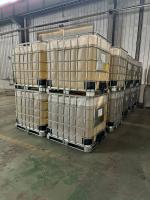
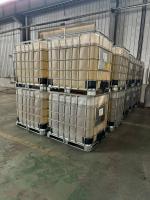
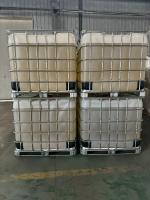
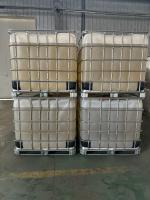
Polyamine is typically supplied as a liquid formulation with controlled charge density and viscosity tailored for specific applications. Its formulation can be adjusted to optimize performance under different pH conditions, further enhancing its versatility. For example, high-charge-density grades may be used in highly contaminated or variable-pH systems, while medium-charge formulations may be applied where controlled floc formation is required.
Environmental performance is another benefit associated with its pH adaptability. Because polyamine reduces the need for pH correction chemicals, it minimizes the generation of secondary salts and sludge. This contributes to more sustainable water treatment practices and reduces the environmental footprint of industrial operations.
In conclusion, polyamine polymer with wide pH adaptability is a highly versatile and efficient coagulant for water treatment applications. Its stable cationic charge across acidic, neutral, and alkaline conditions enables consistent performance in diverse industrial effluents. By simplifying process control, reducing chemical consumption, and improving treatment efficiency, polyamine plays a critical role in modern water management systems across industries such as textile, paper, mining, and oil and gas.