Our Products
coagulant / Largest polyamine suppliers in China|polyamine manufacturers
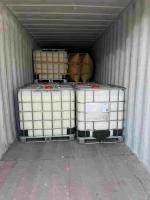


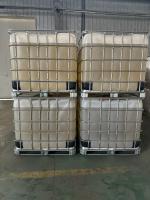
Polyamine is a cationic polymer widely used in water treatment, wastewater treatment, papermaking, sludge conditioning, and various industrial separation processes. Owing to its low to medium molecular weight, high cationic charge density, and strong charge neutralization ability, the application of polyamine has become increasingly important in systems where efficient solid–liquid separation and process stability are required. Polyamine is commonly applied as a coagulant, coagulant aid, or charge control agent, and it performs especially well in treating negatively charged colloidal particles.
One of the most important applications of polyamine is in drinking water treatment. Raw water sources such as rivers, lakes, and reservoirs often contain suspended solids, colloids, algae, and natural organic matter, all of which carry negative surface charges.
Polyamine works by rapidly neutralizing these negative charges, allowing particles to agglomerate into larger flocs that can be removed through sedimentation or filtration. Compared with traditional inorganic coagulants such as aluminum sulfate and ferric chloride, the application of polyamine offers several advantages, including lower sludge production, wider effective pH range, and minimal impact on water alkalinity. As a result, polyamine is widely used either as a primary coagulant or as a coagulant aid in potable water treatment systems.
The application of polyamine in municipal wastewater treatment plants is well established, particularly in primary clarification and sludge conditioning stages. Municipal wastewater contains fine suspended solids, organic matter, and colloidal particles that are difficult to settle without chemical assistance.
By adding polyamine, these negatively charged contaminants are destabilized, forming dense and fast-settling flocs. Polyamine is often used ahead of polymer flocculants such as polyacrylamide, where polyamine provides fast charge neutralization and the flocculant provides bridging. This combined application of polyamine improves clarification efficiency, reduces chemical consumption, and enhances overall process stability.
Industrial wastewater treatment represents one of the largest application areas for polyamine. Industries such as textile dyeing, pulp and paper, steel manufacturing, petrochemical processing, food and beverage, pharmaceutical production, and electroplating generate wastewater containing oils, dyes, surfactants, heavy solids, and complex organic compounds.
In these systems, the application of polyamine is particularly effective due to its strong cationic nature. Polyamine breaks oil emulsions, removes color bodies, and neutralizes fine suspended particles. In many industrial treatment systems, polyamine is used as a pre-coagulant, followed by anionic or nonionic polyacrylamide to form large, shear-resistant flocs. This improves settling rates, flotation efficiency, and filtration performance, enabling compliance with discharge regulations.
Another key application of polyamine is in sludge conditioning and dewatering. Sludge produced from municipal and industrial treatment processes often contains a high proportion of bound water, making dewatering difficult and costly.
When polyamine is applied prior to mechanical dewatering equipment such as belt filter presses, centrifuges, or filter presses, it enhances floc structure and reduces sludge viscosity. The application of polyamine improves water release, lowers cake moisture content, and increases dewatering throughput. In some cases, polyamine can partially replace high-molecular-weight cationic polyacrylamide, offering cost savings while maintaining acceptable dewatering performance.
https://youtu.be/Dupi1l4w7GQ
The papermaking industry is another major user of polyamine. In paper mills, polyamine is widely used as a fixing agent, retention aid, and charge neutralizer in wet-end systems.
Papermaking processes generate significant amounts of anionic trash, including dissolved organic matter, fillers, resins, and fines. The application of polyamine neutralizes these substances, improving fiber and filler retention, enhancing drainage, and stabilizing paper machine operation. Polyamine also reduces deposits on wires and felts, improves paper quality, and supports higher machine speeds, making it an essential chemical in modern papermaking operations.
The application of polyamine extends to oilfield operations and refinery wastewater treatment. Produced water, drilling fluids, and refinery effluents often contain emulsified oils, fine solids, and chemical additives that are difficult to remove.
Polyamine is used to destabilize oil–water emulsions and coagulate suspended solids, enabling efficient separation by flotation or sedimentation. The application of polyamine improves water reuse potential and helps oilfield operators meet environmental discharge standards.
In mining and mineral processing, polyamine is applied in thickener feed systems, tailings treatment, and process water clarification. Mining slurries typically contain fine particles with strong surface charges that hinder settling.
By applying polyamine, these particles are rapidly destabilized, resulting in improved settling rates and clearer overflow water. The application of polyamine supports efficient water recycling, reduces fresh water consumption, and improves tailings management in mining operations.
Polyamine is frequently used as a coagulant aid in combination with inorganic coagulants such as aluminum or iron salts. The application of polyamine strengthens floc formation, reduces inorganic coagulant dosage, and improves sedimentation and filtration efficiency.
This synergistic use of polyamine is particularly effective in high-turbidity water, high-organic-load wastewater, and systems with fluctuating water quality, where fast response and consistent performance are required.
The widespread application of polyamine is driven by several technical and economic advantages:
High cationic charge density
Rapid coagulation and floc formation
Effective performance at low dosage
Broad pH adaptability
Reduced sludge generation
Good compatibility with other treatment chemicals
Cost-effective and operationally stable
116_small.jpg "polyamine flocculant for solid liquid separation")