Our Products
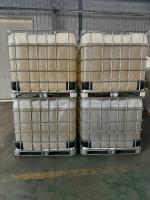
coagulant / polyamine for turbidity removal in surface water
967_small.jpg "polyamine for turbidity removal in surface water")



Polyamine is a highly effective cationic organic coagulant widely used for turbidity removal in surface water treatment. Surface water sources such as rivers, lakes, reservoirs, and canals often contain suspended solids, clay particles, organic matter, algae, and microbial contaminants. These impurities cause turbidity, color, and instability in raw water, making it unsuitable for direct consumption. Polyamine plays a critical role in destabilizing these particles, accelerating floc formation, and improving clarification efficiency in drinking water treatment plants.
Surface water turbidity is mainly caused by fine suspended and colloidal particles, including:
These particles are typically very small (colloidal size) and carry negative surface charges, which keep them stable in suspension due to electrostatic repulsion. This stability makes natural settling extremely slow without chemical treatment.
Polyamine is synthesized from amine-based monomers, forming a water-soluble polymer with high cationic charge density and moderate molecular weight.
Key properties include:
These properties make polyamine particularly suitable for treating variable and low-to-medium turbidity surface water.
Polyamine removes turbidity through several key mechanisms:
(1) Charge neutralization
Most suspended particles in surface water are negatively charged. Polyamine neutralizes these charges, eliminating electrostatic repulsion and allowing particles to come together.
(2) Coagulation of colloids
Fine colloidal particles such as clay and organic matter are destabilized and aggregated into microflocs.
(3) Adsorption and bridging
Polyamine adsorbs onto particle surfaces and binds multiple particles together, forming larger aggregates.
(4) Enmeshment in flocs
During floc formation, small particles and organic matter become trapped inside larger flocs, improving removal efficiency.
Polyamine is typically used in the coagulation stage of surface water treatment:
Surface water is pumped into the treatment plant and screened to remove large debris.
Polyamine is added into the rapid mixing tank where it immediately interacts with suspended particles, destabilizing colloids and initiating floc formation.
Gentle mixing allows microflocs to grow into larger, settleable flocs. In many systems, a flocculant such as polyacrylamide may be added to enhance floc strength.
Flocs are removed through sedimentation tanks or dissolved air flotation (DAF) systems.
Remaining fine particles are removed through sand filters, activated carbon filters, or membrane systems.
(1) High turbidity removal efficiency
Polyamine effectively reduces turbidity even at low concentrations of suspended solids.
(2) Fast reaction speed
Rapid destabilization leads to quick floc formation and shorter treatment times.
(3) Low dosage requirement
High charge density allows effective treatment with relatively small amounts.
(4) Reduced sludge production
Compared to aluminum or iron salts, polyamine generates less sludge.
(5) Stable performance under varying conditions
Effective in fluctuating water quality conditions common in surface water sources.
The optimal dosage depends on raw water quality and environmental conditions.
Typical dosage range:
Key factors influencing dosage:
Jar testing is essential to determine optimal dosage under specific conditions.
Polyamine is often used in combination with other coagulants and flocculants:
(1) Polyaluminum chloride (PAC):
Used together to improve coagulation strength and reduce cost.
(2) Polyacrylamide (PAM):
Enhances floc size and settling speed after coagulation.
(3) Activated carbon:
Helps remove organic matter, odor, and color.
(4) Chlorine or ozone:
Used in disinfection and oxidation processes after turbidity removal.
This combined approach ensures comprehensive water purification.
(1) Low turbidity water
Polyamine works efficiently at low dosages, producing clear water with minimal sludge.
(2) High turbidity water (rainy season)
Higher dosage is required to handle increased suspended solids and clay particles.
(3) High organic matter water
Polyamine helps remove natural organic matter, reducing color and improving taste.
(4) Algae-rich water
Effective in destabilizing algal cells and improving removal in flotation systems.
(1) Overdosing risk
Excess polyamine may cause charge reversal and reduced turbidity removal efficiency.
(2) Water quality variability
Surface water conditions change frequently, requiring continuous adjustment.
(3) Cost considerations
More expensive than traditional coagulants, though often more efficient at lower doses.
(4) Operator control required
Proper monitoring is essential for stable performance.
To achieve optimal turbidity removal:
The use of polyamine in surface water treatment is expected to increase due to:
Future products will likely focus on improved efficiency, lower dosage, and better environmental performance.
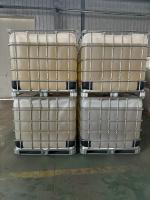
995_small.jpg "high viscosity of polyamine used for mining and water treatment")