Our Products
coagulant / NSF polyamine manufacturer|TOP 5 polyamine manufacturer
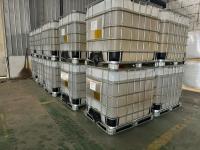



NSF polyamine is a cationic polymer coagulant that has been certified under NSF/ANSI standards (typically NSF/ANSI 60) for use in drinking water treatment. This certification confirms that NSF polyamine meets strict requirements for human health safety, material purity, and contaminant limits, making it suitable for applications where treated water may be used for human consumption.
Chemically, NSF polyamine is a low to medium molecular weight polymer with high positive charge density, usually produced from epichlorohydrin and amine monomers. Unlike high-molecular-weight flocculants, NSF polyamine functions primarily as a coagulant, focusing on rapid destabilization of colloidal particles rather than long-chain bridging.
In water treatment systems connected to potable water supplies, chemical additives must comply with regulatory standards. NSF polyamine is specifically formulated and controlled to ensure:
Low residual toxicity
Absence of harmful impurities
Controlled monomer residuals
Compliance with drinking water regulations
Because of this, NSF polyamine is widely accepted by municipal water authorities, utilities, and engineering consultants for raw water clarification and potable water production.
Most suspended solids in raw and treated water carry a negative surface charge, including clay, silt, organic colloids, algae fragments, and corrosion products. This charge prevents natural aggregation.
When NSF polyamine is added to water:
Positively charged polymer molecules rapidly adsorb onto particle surfaces
Surface charge is neutralized or significantly reduced
Electrostatic repulsion between particles disappears
Destabilized particles collide and form micro-aggregates
Due to its short polymer chains, NSF polyamine forms small, dense flocs quickly. These flocs settle or float efficiently and provide an excellent foundation for downstream flocculation if a polyacrylamide flocculant is applied afterward.
The primary application of NSF polyamine is raw water clarification in municipal drinking water plants. It is effective in treating surface water sources such as:
Rivers
Lakes
Reservoirs
NSF polyamine removes:
Turbidity
Fine suspended solids
Natural organic matter
Algae and color-forming compounds
Compared with traditional inorganic coagulants (alum or ferric salts), NSF polyamine works over a broader pH range, produces less sludge, and responds quickly to sudden changes in raw water quality.
In many drinking water systems, NSF polyamine is used as a coagulant aid together with alum or ferric chloride. In this role, NSF polyamine:
Improves particle destabilization
Reduces metal salt dosage
Enhances floc strength
Improves sedimentation and filtration performance
This combination helps utilities reduce chemical costs and minimize sludge volume while maintaining stable treated water quality.
NSF polyamine is widely applied upstream of:
Rapid sand filters
Dual-media filters
Membrane systems
By effectively removing fine colloids before filtration, NSF polyamine:
Reduces filter loading
Extends filter run time
Lowers backwash frequency
Protects membrane integrity
This makes NSF polyamine particularly valuable in modern water treatment plants focused on efficiency and operational stability.
Although NSF polyamine is certified for drinking water, it is also used in industrial systems connected to potable water supplies, such as:
Food and beverage plants
Pharmaceutical facilities
Electronics manufacturing
Boiler and cooling makeup water treatment
In these applications, NSF polyamine ensures regulatory compliance while delivering reliable coagulation and clarification performance.
NSF polyamine is also applied in sludge thickening and conditioning within drinking water treatment plants. Sludge generated from clarification processes often contains fine inorganic solids and metal hydroxides.
NSF polyamine improves sludge handling by:
Neutralizing particle charges
Enhancing dewatering performance
Improving sludge compaction
Reducing sludge volume for disposal
Its use helps plants reduce operational and disposal costs while remaining compliant with potable water regulations.
Typical NSF polyamine dosages range from 0.1 to 5 mg/L, depending on:
Raw water turbidity
Organic content
Temperature
pH and alkalinity
NSF polyamine is usually diluted and dosed at points of high turbulence, such as rapid mixers, to ensure uniform distribution and fast reaction. Overdosing should be avoided, as excess positive charge can restabilize particles.
Key advantages include:
NSF/ANSI certification for drinking water use
Fast and effective coagulation
Reduced sludge production
Broad pH and temperature tolerance
Compatibility with metal salts and flocculants
Improved clarification and filtration efficiency
NSF polyamine is a safe, effective, and regulatory-approved cationic coagulant widely used in drinking water treatment and potable-related industrial systems. Through rapid charge neutralization and micro-floc formation, NSF polyamine efficiently removes turbidity, fine solids, and organic contaminants from raw water.
Its NSF certification ensures suitability for human consumption, while its performance advantages make NSF polyamine a preferred solution for modern water treatment plants seeking reliability, compliance, and cost efficiency.
522_small.jpg "polyamine with strong charge neutralization capability")
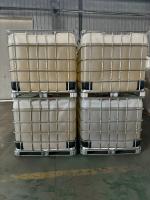
212_small.jpg "polyamine used for Drinking water clarification|polyamine 50%")