

Our Products

coagulant / polyamine for paper mill white water treatment
Polyamine is a highly effective cationic polymer widely applied in paper mill white water treatment systems, where efficient removal of suspended solids, colloidal materials, and dissolved organic substances is critical for water recycling, fiber recovery, and overall process stability. White water, generated during papermaking operations such as forming, pressing, and washing, contains a complex mixture of fine fibers, fillers (e.g., calcium carbonate, clay, titanium dioxide), starch, sizing agents, latex, and various additives. These components are typically present as negatively charged colloids and fine suspensions, making their separation challenging without chemical treatment.
From a physicochemical perspective, white water systems are characterized by high turbidity, elevated chemical oxygen demand (COD), and significant concentrations of anionic trash, including dissolved and colloidal substances (DCS) such as hemicellulose, lignin fragments, fatty acids, and resin acids. These materials contribute to pitch deposition, poor retention, and reduced drainage efficiency. The colloidal stability of these substances is largely due to their negative surface charge and the presence of dispersing agents used in papermaking formulations. As a result, conventional mechanical separation methods are insufficient, necessitating the use of cationic coagulants such as polyamine.
Polyamine polymers are synthesized through condensation reactions involving amines and epichlorohydrin, resulting in a structure rich in protonated amine functional groups. These groups confer a high cationic charge density, which is the primary factor governing their performance in white water treatment. Unlike high-molecular-weight flocculants that rely on bridging mechanisms, polyamine operates predominantly through charge neutralization. This allows for rapid destabilization of negatively charged colloids and dissolved organic matter, even at relatively low dosages.
When introduced into white water systems, polyamine adsorbs onto the surface of negatively charged particles and colloidal substances through electrostatic attraction. This adsorption reduces the zeta potential, compresses the electrical double layer, and eliminates repulsive forces between particles. As a result, fine fibers, fillers, and colloidal materials aggregate into microflocs. These microflocs can then be further enlarged through the addition of secondary flocculants, typically cationic or anionic polyacrylamide, forming larger and more robust flocs suitable for sedimentation, flotation, or filtration.
In practical applications, polyamine is commonly dosed into save-all systems, dissolved air flotation (DAF) units, or clarification tanks. The dosage typically ranges from 10 to 100 mg/L, depending on the composition of the white water, solids concentration, and desired treatment efficiency. Jar testing and dynamic system trials are essential for optimizing dosage and ensuring compatibility with other wet-end chemicals. Overdosing can lead to charge reversal, increased cationic demand, and potential interference with downstream papermaking processes.
One of the primary benefits of polyamine in white water treatment is improved fiber and filler recovery. By effectively coagulating fine particles that would otherwise be lost in the effluent, polyamine enhances the efficiency of recovery systems such as save-all units and flotation cells. This not only reduces raw material loss but also contributes to cost savings and improved process sustainability. Recovered fibers and fillers can be reused in the papermaking process without significant impact on product quality.
Polyamine also plays a crucial role in reducing turbidity and COD in white water. By aggregating and removing dissolved and colloidal organic substances, it lowers the organic load in the system, which is beneficial for both internal water reuse and external wastewater treatment. Reduced COD levels improve the performance of biological treatment systems and help meet environmental discharge regulations.
Another important advantage is the control of anionic trash. In modern papermaking, especially when using recycled fibers, the accumulation of DCS can negatively impact retention, drainage, and paper quality. Polyamine, due to its high charge density, effectively neutralizes these anionic species, reducing their interference with retention aids and sizing agents. This leads to improved retention efficiency, better sheet formation, and enhanced machine runnability.
In addition, polyamine contributes to improved drainage and dewatering performance. By promoting the formation of larger and more permeable flocs, it facilitates water release during sheet गठन and pressing stages. This can result in increased machine speed, reduced energy consumption in drying, and improved overall productivity. The synergistic use of polyamine with retention and drainage aids further enhances these effects.
Compared with inorganic coagulants such as alum or polyaluminum chloride, polyamine offers several advantages. It operates effectively over a wider pH range, does not significantly alter system pH, and produces less sludge. The absence of metal ions reduces the risk of scaling and deposition in process equipment. Furthermore, polyamine is effective at lower dosages, which simplifies chemical handling and reduces operational costs.
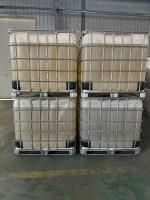
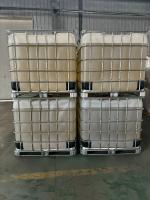
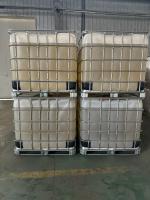
Polyamine is typically supplied as a liquid product with moderate viscosity and active content ranging from 10% to 50%. It is easy to handle, store, and dose using standard metering systems. Proper dilution and mixing are essential to ensure uniform distribution and effective interaction with contaminants. Injection points are strategically selected to maximize contact with white water streams, often before flotation or clarification units.
Environmental considerations are also favorable. The use of polyamine supports closed-loop water systems by improving water clarity and reducing contaminant buildup. However, careful control of residual polymer levels is necessary to avoid interference with downstream processes or discharge compliance. Selection of high-purity products with low residual monomer content is recommended, particularly in mills producing food-grade or specialty papers.
In advanced paper mill water management systems, polyamine is often integrated with membrane filtration, biological treatment, and oxidation processes. Pre-treatment with polyamine reduces fouling potential and enhances the efficiency of these downstream technologies. For example, in membrane systems, effective coagulation minimizes the deposition of colloidal materials, extending membrane life and reducing cleaning frequency.
In conclusion, polyamine is a highly efficient and versatile coagulant for paper mill white water treatment. Its strong cationic charge enables rapid destabilization of colloidal particles and dissolved organic substances, leading to improved clarification, enhanced fiber recovery, and better process control. Through optimized application and integration with other treatment technologies, polyamine significantly contributes to the sustainability, efficiency, and economic performance of modern papermaking operations.
117_small.jpg "polyamine flocculant for coal washing plant water treatment")