Polyamine is a class of cationic organic polymers widely applied as primary coagulants in dyeing and printing wastewater treatment systems. These polymers are typically synthesized through the polycondensation of epichlorohydrin with dimethylamine or other amines, resulting in a highly charged, low- to medium-molecular-weight polymer with strong charge neutralization capability. In textile dyeing and printing effluents, which are characterized by high chroma, elevated chemical oxygen demand (COD), complex organic structures, and strong colloidal stability, polyamine plays a critical role in destabilizing suspended and dissolved contaminants.
From a physicochemical standpoint, dyeing and printing wastewater contains a wide range of recalcitrant pollutants, including reactive dyes, azo dyes, disperse dyes, auxiliaries, surfactants, and sizing agents. These substances are typically negatively charged and exhibit high solubility in water, making them resistant to conventional sedimentation processes. Polyamine, due to its high cationic charge density, effectively neutralizes the negative surface charge of colloidal particles and dissolved dye molecules through electrostatic interaction. This destabilization reduces the zeta potential of the system, promoting aggregation and subsequent floc formation.
The primary mechanism of polyamine in this application is charge neutralization rather than bridging, which distinguishes it from high-molecular-weight flocculants such as polyacrylamide. When introduced into the wastewater stream, polyamine rapidly adsorbs onto the surface of negatively charged dye molecules and colloidal particles. This adsorption neutralizes repulsive forces and allows van der Waals attraction to dominate, leading to the formation of microflocs. These microflocs can then be further aggregated into larger, settleable flocs through the addition of a secondary flocculant, typically anionic polyacrylamide, forming a dual-polymer system.
In practical wastewater treatment processes, polyamine is commonly applied in the coagulation stage, often preceding sedimentation, dissolved air flotation (DAF), or filtration units. The dosing concentration typically ranges from 50 to 500 mg/L, depending on the influent characteristics such as dye concentration, pH, and turbidity. Optimal performance is usually achieved in a pH range of 4 to 9, where the polymer maintains its cationic charge density and solubility. The rapid mixing phase ensures uniform dispersion and effective contact between polyamine and contaminants, followed by slow mixing to promote floc growth.
One of the most significant advantages of polyamine in dyeing and printing wastewater treatment is its superior decolorization efficiency. Compared with inorganic coagulants such as aluminum sulfate or ferric chloride, polyamine generates less sludge volume and avoids the introduction of metal ions into the treated water. This is particularly important in textile industries where water reuse and recycling are increasingly emphasized. Polyamine can achieve color removal efficiencies exceeding 90% for many types of dyes, including reactive and direct dyes, which are otherwise difficult to remove.
Additionally, polyamine contributes to COD reduction by removing dissolved organic matter associated with dyes and auxiliaries. Although it is not a direct oxidizing agent, its coagulation action facilitates the removal of organic pollutants by converting them into insoluble aggregates. This enhances the overall efficiency of downstream biological treatment processes, such as activated sludge systems or membrane bioreactors, by reducing the organic load and toxicity.
In advanced treatment configurations, polyamine is often integrated with other technologies such as advanced oxidation processes (AOPs), adsorption, or membrane filtration. For example, pre-treatment with polyamine can significantly improve the performance of ultrafiltration or reverse osmosis systems by reducing fouling potential. Similarly, combining polyamine with oxidants like ozone or hydrogen peroxide can enhance the breakdown and removal of persistent dye molecules.
From an operational perspective, the selection of polyamine grade is critical. Key parameters include charge density, viscosity, molecular weight, and solid content. High charge density polyamines are preferred for strongly anionic dye systems, while lower viscosity products are easier to handle and dose accurately. Storage stability and compatibility with other treatment chemicals must also be considered to ensure consistent performance.
Environmental and regulatory considerations further support the use of polyamine in textile wastewater treatment. As an organic coagulant, it reduces reliance on metal salts and minimizes secondary pollution. However, attention must be paid to residual polymer content in treated water, particularly in applications involving water reuse. Proper dosing control and process optimization are essential to avoid overdosing, which can lead to restabilization of particles or increased treatment costs.
In conclusion, polyamine is a highly effective and versatile coagulant for dyeing and printing wastewater treatment. Its strong cationic charge enables efficient neutralization of negatively charged dyes and colloidal particles, resulting in high color removal and improved water quality. When used in conjunction with appropriate flocculants and treatment processes, polyamine significantly enhances the overall efficiency and sustainability of textile wastewater management systems.


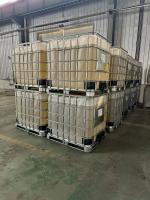
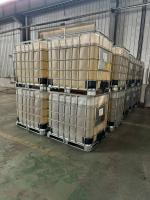
245_small.jpg "The equivalent of FLOQUAT FL3050 polyamine branched")