

Our Products

coagulant / polyamine for color removal in textile wastewater treatment
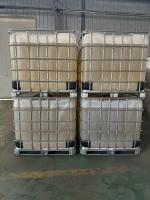
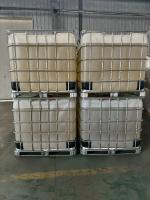
Polyamine is a highly efficient cationic coagulant widely applied in textile wastewater treatment, particularly for color removal from dyeing and printing effluents. Textile wastewater is one of the most complex industrial effluents due to the presence of a wide variety of synthetic dyes, auxiliaries, surfactants, sizing agents, and organic contaminants. These substances are often highly stable, water-soluble, and resistant to biodegradation. Among them, color compounds are the most visually significant pollutants and are strictly regulated in discharge standards. Polyamine plays a central role in removing these color-causing compounds through charge neutralization, adsorption, and coagulation mechanisms.
Textile dyeing wastewater typically contains reactive dyes, direct dyes, acid dyes, disperse dyes, and vat dyes. Many of these dyes, especially reactive and direct dyes, are anionic in nature and exhibit strong solubility in water. Their molecular structures contain sulfonate (-SO₃⁻) groups, which impart high negative charge and prevent natural aggregation or precipitation. As a result, these dyes remain stable in solution, leading to persistent coloration even at low concentrations. Conventional biological treatment systems are often insufficient to remove these dyes effectively due to their complex aromatic structures and resistance to microbial degradation.
Polyamine is a cationic polymer with a high density of protonated amine functional groups. These positively charged groups are distributed along the polymer chain and are responsible for its strong interaction with negatively charged dye molecules. When polyamine is added to textile wastewater, it rapidly adsorbs onto dye molecules through electrostatic attraction. This interaction neutralizes the negative charge of dye particles, reduces their solubility, and destabilizes the colloidal system. As a result, dye molecules aggregate into larger complexes that can be removed through sedimentation, flotation, or filtration.
The primary mechanism of color removal by polyamine is charge neutralization rather than chemical degradation. Unlike oxidizing agents such as ozone or hydrogen peroxide, polyamine does not break down dye molecules chemically. Instead, it converts dissolved dye species into insoluble aggregates through electrostatic interactions. This makes it particularly suitable for treating a wide range of dye types, including those that are resistant to oxidation or biodegradation.
In practical applications, polyamine is typically used as a primary coagulant in combination with flocculants such as polyacrylamide. The process involves rapid mixing of polyamine with wastewater, followed by slow mixing to allow microfloc formation. These microflocs consist of dye-polymer complexes and fine suspended solids. A secondary flocculant is then added to promote bridging between microflocs, forming larger, denser flocs that can be efficiently separated.
One of the key advantages of polyamine in textile wastewater treatment is its high decolorization efficiency at relatively low dosages. Depending on dye concentration and wastewater characteristics, typical dosages range from 10 to 200 mg/L. In many cases, color removal efficiency exceeding 90% can be achieved, significantly improving effluent quality and compliance with discharge regulations.
Polyamine is effective across a wide pH range, typically from pH 4 to 10, which is particularly important in textile wastewater systems where pH can vary significantly due to different dyeing and finishing processes. In acidic conditions, dye molecules are more protonated, while in alkaline conditions, they are more ionized. Polyamine maintains its cationic charge across these conditions, ensuring consistent performance without the need for extensive pH adjustment.
In addition to color removal, polyamine also contributes to the reduction of turbidity and chemical oxygen demand (COD). Many dyeing auxiliaries, including dispersants, surfactants, and sizing agents, are co-removed during the coagulation process. This improves overall wastewater quality and reduces the load on downstream biological treatment systems.
Another important benefit is sludge volume reduction. Compared with inorganic coagulants such as aluminum sulfate or ferric chloride, polyamine produces significantly less sludge. This is because it operates primarily through charge neutralization rather than precipitation of metal hydroxides. The resulting sludge is denser, easier to dewater, and less difficult to handle, reducing operational and disposal costs.
Polyamine also improves the performance of downstream treatment units such as dissolved air flotation (DAF), sedimentation tanks, and membrane filtration systems. By reducing dye concentration and suspended solids in the influent, it minimizes fouling and scaling issues in membranes and enhances overall system stability. In integrated treatment systems, polyamine is often used as a pre-treatment step before advanced oxidation or biological processes.
In textile wastewater containing high levels of reactive dyes, polyamine is particularly effective due to its strong affinity for sulfonated dye molecules. It can break the stability of dye–water systems and facilitate rapid aggregation. In disperse dye wastewater, which often contains hydrophobic particles and emulsified substances, polyamine helps destabilize emulsions and promote phase separation.
From an operational perspective, polyamine is supplied as a liquid product with moderate viscosity and active content typically ranging from 10% to 50%. It is easy to handle and dose using standard chemical injection systems. Proper mixing is essential to ensure uniform distribution and effective contact with dye molecules. Rapid mixing zones are typically used immediately after dosing to maximize collision efficiency between polymer and contaminants.
Optimization of dosage is critical for achieving maximum color removal efficiency. Overdosing can lead to charge reversal and restabilization of dye particles, resulting in reduced performance. Therefore, jar testing and pilot-scale trials are commonly conducted to determine optimal operating conditions for specific wastewater streams.
Polyamine is also compatible with other treatment technologies. In some systems, it is combined with advanced oxidation processes (AOPs) such as ozone, Fenton’s reagent, or UV/H₂O₂ to achieve complete mineralization of residual organic compounds. In such integrated systems, polyamine first removes bulk color and suspended solids, allowing oxidation processes to focus on residual dissolved organics.
Environmental considerations are increasingly important in textile wastewater management. Polyamine offers advantages in terms of lower chemical consumption, reduced sludge generation, and improved process efficiency. However, careful control of residual polymer levels is necessary to ensure compliance with discharge standards and avoid secondary pollution.
In conclusion, polyamine is a highly effective and versatile coagulant for color removal in textile wastewater treatment. Its strong cationic charge enables rapid destabilization of dye molecules and colloidal impurities, resulting in high decolorization efficiency and improved effluent quality. Through optimized application and integration with other treatment processes, polyamine plays a critical role in achieving sustainable, cost-effective, and environmentally compliant textile wastewater management.
525_small.jpg "polyamine solution for high COD wastewater treatment")
571_small.jpg "polyamine manufacturers(top three in China)|polyamine plants")