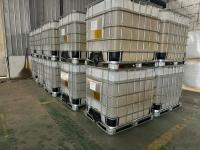
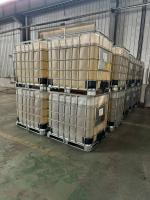
Our Products
coagulant / polyamine flocculant for municipal sewage treatment
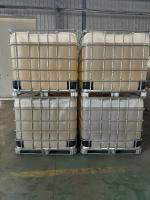



Polyamine flocculant is a cationic organic polymer widely used in municipal sewage treatment plants for coagulation and flocculation processes. Due to its high charge density, rapid reaction speed, and strong destabilization ability, polyamine plays an essential role in improving solid-liquid separation, enhancing treatment efficiency, and reducing operational costs in municipal wastewater systems.
Polyamine is typically produced by polymerizing amine compounds such as dimethylamine and epichlorohydrin. The resulting polymer is water-soluble and carries a high density of positive charges, making it particularly effective for treating negatively charged contaminants in sewage.
Key features include:
These properties make polyamine suitable for various stages of municipal sewage treatment.
Polyamine flocculant works through multiple mechanisms that contribute to efficient pollutant removal:
(1) Charge neutralization
Municipal sewage contains a large amount of negatively charged suspended solids, organic matter, bacteria, and colloids. Polyamine neutralizes these charges, destabilizing the particles and reducing repulsive forces.
(2) Floc formation
After charge neutralization, particles aggregate to form microflocs. Although polyamine itself has limited bridging ability, it creates favorable conditions for floc growth, especially when used with high molecular weight flocculants.
(3) Electrostatic patching
Polyamine creates localized positively charged areas on particle surfaces, promoting aggregation through patch attraction.
These combined mechanisms result in rapid formation of dense flocs that can be easily removed by sedimentation or flotation.
Polyamine is used in several key processes within municipal wastewater treatment plants:
In primary sedimentation tanks, polyamine acts as a coagulant to remove suspended solids (SS), reduce turbidity, and lower organic load (COD and BOD). It enhances settling performance and reduces the load on downstream biological treatment units.
Benefits:
Although biological processes remove most dissolved organics, residual suspended solids remain. Polyamine can be used to improve sludge settling in secondary clarifiers, especially under poor settling conditions such as sludge bulking.
In advanced treatment stages, polyamine is used to polish effluent by removing fine particles, phosphorus, and residual turbidity. It is commonly applied before filtration or membrane processes.
Polyamine is used as a conditioning agent for sludge treatment. It enhances sludge thickening and improves the performance of dewatering equipment such as centrifuges and belt presses.
Polyamine offers several advantages compared to traditional coagulants:
(1) High efficiency at low dosage
Its high charge density allows effective treatment with relatively small amounts, reducing chemical consumption.
(2) Reduced sludge production
Unlike inorganic coagulants, polyamine does not form large quantities of metal hydroxide sludge.
(3) Rapid reaction and floc formation
Polyamine produces dense flocs quickly, improving treatment throughput.
(4) Wide adaptability
Effective across varying wastewater conditions, including fluctuations in pH and pollutant concentration.
(5) Improved downstream performance
Better primary treatment reduces the load on biological systems, improving overall plant efficiency.
The optimal dosage of polyamine depends on wastewater characteristics and treatment objectives.
Typical dosage ranges:
Application procedure:
Proper dosing control is essential to avoid overdosing and ensure optimal performance.
Polyamine is often used in combination with other treatment chemicals to achieve the best results:
Cationic polyacrylamide (CPAM):
Polyamine provides charge neutralization, while CPAM enhances floc growth and strength through bridging.
Inorganic coagulants (e.g., PAC, alum):
In some plants, polyamine is used alongside inorganic coagulants to improve efficiency and reduce costs.
This combined approach allows flexibility in handling varying wastewater conditions.
While polyamine is highly effective, several factors should be considered:
(1) Overdosing risk
Excessive polyamine can lead to charge reversal, causing particles to restabilize and reducing treatment efficiency.
(2) Cost
Polyamine is generally more expensive than inorganic coagulants, though its lower dosage often compensates for this.
(3) Sensitivity to process conditions
Performance may vary with changes in temperature, pH, and wastewater composition.
(4) Storage and handling
Polyamine should be stored properly to maintain stability and effectiveness.
In municipal sewage treatment plants, the use of polyamine can lead to:
These benefits make polyamine an important component in modern wastewater treatment strategies.
With increasing environmental regulations and the demand for higher treatment standards, polyamine flocculants are expected to play a growing role in municipal sewage treatment. Future developments include:
803_small.jpg "polyamine coagulant for drinking water purification")