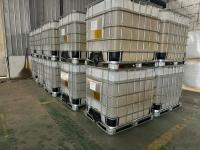
Application of Polyamine Coagulant for Wastewater Treatment
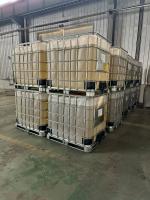
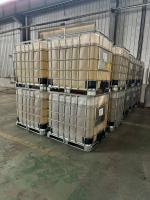
Polyamine coagulant is a highly effective cationic polymer widely used in wastewater treatment to remove suspended solids, colloidal particles, organic matter, and various contaminants. It is typically supplied in liquid form and functions primarily through charge neutralization and flocculation mechanisms. Due to its strong positive charge density and excellent coagulation performance, polyamine is extensively applied in municipal and industrial wastewater treatment plants to improve water clarification, sludge settling, and overall treatment efficiency.
1. Primary Coagulation and Clarification
One of the most important applications of polyamine coagulant is in the primary treatment stage of wastewater treatment. Wastewater contains negatively charged suspended particles such as organic matter, silt, clay, microorganisms, and colloidal impurities. These particles remain stable in water due to electrostatic repulsion, making them difficult to remove naturally.
Polyamine neutralizes the negative charges on these particles, destabilizing them and allowing them to aggregate into larger flocs. These flocs settle rapidly in sedimentation tanks, resulting in efficient solid-liquid separation. This process significantly reduces suspended solids (SS), turbidity, and organic load in wastewater. Improved clarification at this stage enhances the performance of downstream treatment processes.
2. Municipal Wastewater Treatment
Polyamine coagulant is widely used in municipal wastewater treatment plants that handle domestic sewage from residential, commercial, and public sources. Municipal wastewater typically contains organic matter, bacteria, suspended solids, and nutrients.
When applied in primary clarifiers, polyamine improves floc formation and settling efficiency, reducing the load on secondary biological treatment systems. It enhances sludge settling and improves effluent clarity. Polyamine is also used in secondary clarifiers to improve the settling of biological sludge, preventing sludge carryover and improving treated water quality.
In tertiary treatment, polyamine can be used to remove residual suspended solids and improve final effluent quality before discharge or reuse. This helps wastewater treatment plants meet strict environmental regulations and discharge standards.
3. Industrial Wastewater Treatment
Polyamine coagulant plays a critical role in industrial wastewater treatment across a wide range of industries, including textile, paper and pulp, food processing, oil and gas, petrochemical, mining, and chemical manufacturing. Industrial wastewater often contains high levels of suspended solids, oils, greases, dyes, heavy metals, and organic pollutants.
Polyamine effectively removes these contaminants by neutralizing particle charges and promoting flocculation. In textile wastewater treatment, polyamine helps remove dyes and color, improving water clarity. In paper mills, it removes fibers, fillers, and organic residues. In food processing wastewater, it removes organic solids and improves clarification.
In oil and gas wastewater treatment, polyamine is used to separate oil droplets and suspended solids from water, improving oil-water separation efficiency. In mining wastewater treatment, polyamine promotes rapid settling of fine mineral particles, allowing water reuse and reducing environmental impact.
4. Sludge Conditioning and Dewatering
Polyamine coagulant is also used in sludge conditioning and dewatering processes. Sludge generated during wastewater treatment contains high water content and requires treatment to reduce volume and disposal costs.
Polyamine improves sludge dewatering by neutralizing the charges on sludge particles and forming dense flocs. These flocs release water more easily during mechanical dewatering processes such as centrifuges, belt filter presses, and screw presses. This increases sludge solids concentration, reduces sludge volume, and improves dewatering efficiency.
Improved sludge dewatering reduces transportation and disposal costs and enhances overall plant efficiency.
5. Dissolved Air Flotation (DAF) Systems
Polyamine is commonly used in dissolved air flotation systems to improve the removal of suspended solids, oils, and greases. In DAF systems, fine air bubbles attach to flocculated particles and float them to the surface, where they can be removed.
Polyamine enhances floc formation and improves the efficiency of the flotation process. It is widely used in industries such as food processing, oil refining, and paper manufacturing, where DAF systems are commonly applied.
6. Color Removal and Organic Matter Removal
Polyamine is highly effective in removing color and dissolved organic matter from wastewater, especially in textile, dyeing, and chemical industries. Many dyes and organic molecules carry negative charges, which can be neutralized by polyamine.
This results in the formation of flocs that can be easily removed through sedimentation or flotation. Polyamine helps reduce chemical oxygen demand (COD) and improves overall water quality.
7. Pretreatment for Advanced Treatment Systems
Polyamine coagulant is often used as a pretreatment chemical before advanced treatment processes such as membrane filtration, ultrafiltration, and reverse osmosis. By removing suspended solids and colloidal particles, polyamine reduces membrane fouling and improves system performance.
This extends membrane life, reduces cleaning frequency, and improves operational efficiency.
8. Heavy Metal and Contaminant Removal
Polyamine can also assist in the removal of heavy metals and other contaminants by destabilizing particles and promoting their removal through sedimentation. It is often used in combination with other treatment chemicals to enhance contaminant removal efficiency.
This is particularly important in industrial wastewater treatment where heavy metals must be removed before discharge.
9. Advantages of Polyamine Coagulant in Wastewater Treatment
Polyamine offers several advantages in wastewater treatment applications:
-
High charge density and excellent coagulation performance
-
Rapid floc formation and fast settling
-
Effective removal of suspended solids and organic matter
-
Improved sludge dewatering performance
-
Reduced chemical dosage compared with inorganic coagulants
-
Lower sludge production
-
Effective over a wide pH range
-
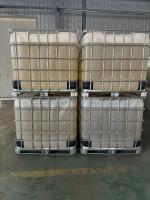
Easy handling and dosing due to liquid form