Our Products
coagulant / polyamine chemical for sludge dewatering process
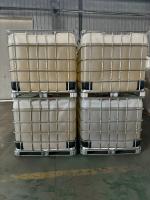



Polyamine is a highly effective cationic organic polymer widely used in sludge dewatering processes across municipal and industrial wastewater treatment plants. Due to its strong charge neutralization ability and relatively low molecular weight compared to polyacrylamide, polyamine plays a critical role in conditioning sludge, improving dewaterability, and enhancing overall treatment efficiency.
Polyamine is typically synthesized from amine-based monomers such as dimethylamine and epichlorohydrin, resulting in a water-soluble polymer with high cationic charge density. Unlike high molecular weight flocculants, polyamine has a relatively lower molecular weight but a much higher charge density, making it particularly suitable for charge neutralization.
Key properties include:
These characteristics make polyamine especially effective in treating sludge that contains a high proportion of colloidal and fine suspended solids.
Sludge generated from wastewater treatment processes contains a large amount of water bound within flocs and microbial cells. Effective dewatering requires the breakdown of these structures and the aggregation of solids into larger, more compact flocs.
Polyamine contributes to sludge dewatering through the following mechanisms:
(1) Charge neutralization
Sludge particles are typically negatively charged due to the presence of organic matter and microbial surfaces. Polyamine neutralizes these charges, reducing repulsion between particles and promoting aggregation.
(2) Floc conditioning
By destabilizing colloids, polyamine enhances the performance of subsequent flocculants such as cationic polyacrylamide (CPAM). It prepares the sludge matrix for better floc formation.
(3) Release of bound water
Polyamine disrupts the hydration layer around sludge particles, helping release bound water and improving dewatering efficiency.
(4) Reduction of extracellular polymeric substances (EPS)
EPS in sludge binds water strongly. Polyamine can partially neutralize and compress EPS, facilitating water release.
Polyamine is commonly used in sludge dewatering systems such as:
It is typically applied as a pre-treatment or conditioning agent before the addition of high molecular weight flocculants.
Application steps:
This sequential dosing approach ensures optimal sludge conditioning and floc formation.
Polyamine offers several advantages when used in sludge dewatering:
(1) Improved dewatering performance
Polyamine enhances the formation of dense, compact flocs that release water more easily, resulting in higher cake solids content.
(2) Reduced polymer consumption
When used in combination with CPAM, polyamine reduces the required dosage of expensive flocculants, lowering overall chemical costs.
(3) Faster processing speed
Better floc formation leads to improved filtration rates and higher throughput in dewatering equipment.
(4) Lower sludge volume
Improved dewatering reduces the volume of sludge for disposal, decreasing transportation and disposal costs.
(5) Wide applicability
Polyamine is effective across various types of sludge, including municipal sludge, industrial sludge, and biological sludge.
The dosage of polyamine in sludge dewatering depends on several factors:
Typical dosage ranges:
Jar testing and pilot trials are essential to determine the optimal dosage and dosing sequence.
Polyamine is rarely used alone in sludge dewatering. It is often combined with:
Cationic polyacrylamide (CPAM):
Polyamine acts as a coagulant to neutralize charges, while CPAM provides bridging and floc growth. This combination significantly improves floc size and strength.
Inorganic coagulants (e.g., ferric chloride, alum):
In some cases, polyamine is used alongside inorganic coagulants to enhance performance, particularly for difficult industrial sludge.
The synergistic effect of these chemicals leads to improved dewatering efficiency and reduced overall chemical usage.
| Parameter | Polyamine | CPAM |
|---|---|---|
| Molecular weight | Low–medium | Very high |
| Charge density | High | Medium–high |
| Main function | Charge neutralization | Bridging and floc growth |
| Dosage | Low | Moderate |
| Role in dewatering | Conditioning agent | Primary flocculant |
This comparison highlights that polyamine is best used as a conditioning agent, while CPAM serves as the main flocculant.
While polyamine is highly effective, certain considerations must be taken into account:
(1) Overdosing risk
Excessive polyamine can cause charge reversal, leading to poor floc formation and reduced dewatering efficiency.
(2) Sensitivity to sludge characteristics
Performance may vary depending on sludge composition, requiring careful optimization.
(3) Storage and handling
Polyamine solutions should be stored in a cool, dry place and protected from extreme temperatures.
(4) Cost balance
Although polyamine can reduce overall costs, improper use may increase chemical consumption.
Polyamine is widely used in:
In each case, polyamine improves sludge handling, reduces moisture content, and enhances operational efficiency.
995_small.jpg "high viscosity of polyamine used for mining and water treatment")
998_small.jpg "China polyamine manufacturer|polyamine(20-50%) suppliers")
343_small.jpg "polyamine for color removal in textile wastewater")