


Our Products

coagulant / high purity polyDADMAC polymer for drinking water grade use
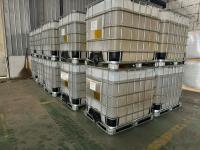
High purity polyDADMAC (polydiallyldimethylammonium chloride) is a cationic polyelectrolyte widely used in drinking water treatment as a primary coagulant, coagulant aid, and charge-neutralizing agent. Its high purity grade is specifically engineered to meet stringent potable water standards, including low residual monomer content, minimal organic impurities, and controlled molecular weight distribution. In drinking water applications, safety, stability, and consistent performance are critical, and high purity polyDADMAC is designed to meet these technical and regulatory requirements.
From a chemical structure perspective, polyDADMAC is a linear or slightly branched polymer composed of quaternary ammonium groups. These permanently positively charged functional groups are responsible for its strong cationic nature across all pH conditions typically encountered in water treatment systems. Unlike some coagulants whose charge depends on pH, polyDADMAC maintains full ionic activity in both acidic and alkaline environments, making it highly stable and reliable for potable water treatment processes.
High purity grades of polyDADMAC are characterized by strict control of residual monomer (diallyldimethylammonium chloride monomer), typically maintained at very low levels to ensure compliance with drinking water safety standards. Residual monomer control is essential because unreacted monomers may pose toxicity risks. In addition, high purity products are manufactured with reduced levels of byproducts such as organic impurities, salts, and low molecular weight fragments that could affect water quality.
In drinking water treatment systems, polyDADMAC functions primarily through charge neutralization and adsorption mechanisms. Natural raw water sources such as rivers, lakes, and reservoirs often contain suspended solids, colloidal clay particles, humic substances, algae, and microorganisms. These particles typically carry a negative surface charge, which stabilizes them in suspension and prevents natural sedimentation. PolyDADMAC rapidly adsorbs onto these negatively charged surfaces, neutralizing their charge and destabilizing the colloidal system.
Once charge neutralization occurs, the electrical double layer surrounding particles is compressed, reducing electrostatic repulsion. This allows van der Waals forces to dominate, leading to aggregation of fine particles into microflocs. These microflocs can then be removed through sedimentation, dissolved air flotation (DAF), or filtration processes. In many systems, polyDADMAC is used as a primary coagulant or as a coagulant aid in combination with inorganic salts such as aluminum sulfate or polyaluminum chloride (PAC).
One of the key advantages of high purity polyDADMAC in drinking water applications is its effectiveness at low dosage levels. Typical dosing ranges from 0.1 to 5 mg/L depending on raw water quality, turbidity, and organic content. Even at these low concentrations, it significantly improves clarification efficiency, reduces turbidity, and enhances filter performance. This low dosage requirement minimizes chemical residuals in treated water and reduces sludge production.
In conventional coagulation–flocculation systems, polyDADMAC is often applied in rapid mix zones where intense mixing ensures uniform dispersion and maximum contact with colloidal particles. Following charge neutralization, flocculation aids such as polyacrylamide may be added to promote floc growth and improve settling or filtration efficiency. This dual-stage approach enhances overall treatment performance, particularly in water sources with high natural organic matter (NOM) content.
High purity polyDADMAC is particularly effective in removing turbidity and color from surface water sources. Humic and fulvic acids, which contribute to water color and organic load, are efficiently destabilized by cationic charge interaction. This improves water clarity and reduces the load on downstream disinfection processes such as chlorination or ultraviolet treatment.
Another important application is in the removal of algae and microbial particles. In eutrophic water bodies, algal blooms can cause severe water quality issues, including taste, odor, and toxin production. PolyDADMAC assists in aggregating algal cells, enabling their removal through sedimentation or filtration. This helps improve overall microbiological safety and reduces the burden on disinfection systems.
In addition to surface water treatment, high purity polyDADMAC is also used in groundwater treatment systems where iron, manganese, and fine particulates may be present. By promoting aggregation of these particles, it improves filtration efficiency and reduces fouling in downstream equipment such as sand filters and membrane systems.
Membrane-based drinking water treatment systems, such as ultrafiltration (UF) and microfiltration (MF), also benefit from the use of polyDADMAC. Pre-treatment with polyDADMAC reduces fouling potential by removing fine colloids and organic matter that would otherwise accumulate on membrane surfaces. This extends membrane lifespan, reduces cleaning frequency, and improves operational stability.
From a regulatory standpoint, high purity polyDADMAC used in drinking water must comply with strict international standards such as NSF/ANSI 60, European drinking water directives, and other national potable water regulations. These standards govern allowable limits for residual monomers, heavy metals, and organic impurities. Manufacturers of high purity grades implement advanced purification and polymerization control technologies to ensure compliance.
High purity polyDADMAC also offers operational advantages in water treatment plants. It is easy to handle as a liquid product, has good storage stability, and is compatible with automated dosing systems. Its low viscosity formulations allow for accurate metering and uniform distribution in treatment systems. This improves process control and reduces operational variability.
Another important benefit is its ability to reduce sludge volume compared with traditional inorganic coagulants. Since polyDADMAC does not rely on metal hydroxide precipitation, it generates less sludge, which simplifies sludge handling and disposal. The resulting sludge is typically more compact and easier to dewater.
In terms of process optimization, jar testing and pilot studies are essential for determining optimal dosage and combination with other treatment chemicals. Factors such as raw water turbidity, temperature, pH, and organic content significantly influence performance. Proper optimization ensures maximum efficiency while maintaining compliance with drinking water quality standards.
High purity polyDADMAC is also increasingly used in advanced water treatment systems that integrate multiple processes such as coagulation, sedimentation, filtration, and disinfection. Its role in enhancing pre-treatment efficiency contributes to overall system stability and water quality consistency.
In conclusion, high purity polyDADMAC is a critical chemical in modern drinking water treatment systems due to its strong cationic charge, low impurity profile, and reliable performance across diverse water conditions. It effectively removes turbidity, color, organic matter, and microbial particles while maintaining compliance with strict safety standards. Through optimized application and integration with other treatment processes, it plays a key role in ensuring safe, clear, and high-quality potable water supply.
763_small.jpg "polydadmac 50% solid content used for mineral processing")
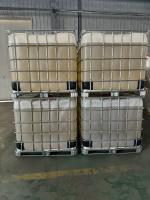
589_small.jpg "the application of polydadmac for pulp and paper white water treatment")