Our Products
coagulant / high charge density polydadmac for coagulation process
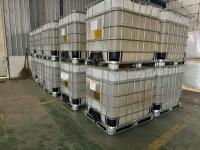



High charge density Polydadmac (poly diallyldimethylammonium chloride) is a specialized cationic polymer widely used in modern coagulation processes for water and wastewater treatment. Compared with conventional coagulants, high charge density grades contain a larger number of quaternary ammonium groups per unit molecular weight, which significantly enhances their ability to neutralize negatively charged particles. This makes them especially effective in treating low-turbidity, high-colloid, and high-organic-load water systems where rapid destabilization is required.
High charge density Polydadmac is synthesized from diallyldimethylammonium chloride (DADMAC) monomers through controlled polymerization, resulting in a polymer with a dense distribution of positively charged functional groups.
Key characteristics include:
These properties make it particularly suitable for rapid coagulation applications in both industrial and municipal systems.
Coagulation is the first step in solid-liquid separation, aimed at destabilizing colloidal particles so they can aggregate into larger flocs. High charge density Polydadmac plays a critical role in this process by:
It is often used as a primary coagulant or as a coagulant aid in combination with inorganic salts or flocculants.
The performance of high charge density Polydadmac in coagulation is based on several key mechanisms:
(1) Charge neutralization
Most particles in raw water and wastewater carry negative surface charges. High charge density Polydadmac provides a strong positive charge that neutralizes these particles almost instantly, collapsing the electrical double layer and enabling aggregation.
(2) Patch attraction mechanism
Instead of uniformly covering particles, the polymer forms localized positively charged “patches” on surfaces. These patches attract negatively charged areas on other particles, promoting rapid floc formation.
(3) Adsorption and surface modification
The polymer adsorbs strongly onto colloidal surfaces, changing their electrostatic behavior and destabilizing suspension stability.
(4) Microfloc formation
Once destabilized, particles collide and form microflocs, which later grow into larger flocs during slow mixing stages.
High charge density Polydadmac is used in primary clarification to remove:
It improves sedimentation efficiency and reduces load on biological treatment units.
In potable water systems, it is used to remove:
It helps improve water clarity and reduce disinfection by-product precursors.
Widely used in industries such as:
Effective for:
Used for destabilizing emulsified oil droplets and removing fine solids in produced water systems.
(1) Extremely fast reaction speed
High charge density enables immediate destabilization of colloids.
(2) High efficiency at low dosage
Strong charge interaction allows effective treatment at small concentrations.
(3) Excellent turbidity removal
Highly effective in low-turbidity and high-colloid water systems.
(4) Stable performance over wide pH range
Works efficiently in acidic, neutral, and alkaline conditions.
(5) Reduced sludge production
Compared with inorganic coagulants, produces less sludge volume.
(6) Improved downstream filtration performance
Enhances filter run time and reduces clogging.
Typical dosage ranges:
Key influencing factors:
Jar testing is essential to optimize dosage and ensure stable performance.
High charge density Polydadmac is often used with other chemicals to enhance performance:
(1) Polyaluminum chloride (PAC):
Provides additional coagulation strength and improves turbidity removal efficiency.
(2) Ferric salts:
Enhance removal of phosphorus and fine suspended solids.
(3) Polyacrylamide (PAM):
Improves floc size and settling speed through bridging mechanisms.
This combined system improves overall water treatment efficiency and stability.
(1) Overdosing risk
Excess polymer can reverse particle charge, leading to restabilization.
(2) Limited bridging effect
Because of lower molecular weight, it is less effective for large floc bridging compared to high-MW polymers.
(3) Cost considerations
More expensive than traditional inorganic coagulants.
(4) Sensitivity to process control
Requires proper mixing and dosing accuracy.
To achieve optimal coagulation performance:
The use of high charge density Polydadmac in coagulation is expected to grow due to:
Future formulations will focus on improved selectivity, lower dosage, and enhanced performance in complex wastewater systems.
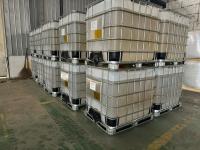
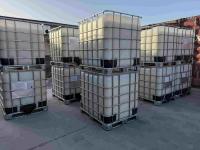
438_small.jpg "cationic polydadmac polymer for turbidity removal")