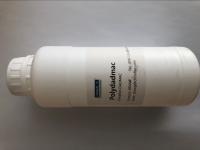
PolyDADMAC (polydiallyldimethylammonium chloride) is a highly effective cationic polyelectrolyte widely used in water treatment, wastewater treatment, and various industrial processes. Due to its strong positive charge density and excellent solubility, the application of PolyDADMAC is primarily focused on coagulation, charge neutralization, and clarification of water containing negatively charged contaminants. The application of PolyDADMAC spans municipal, industrial, and environmental sectors, making it one of the most important organic coagulants in modern treatment technology.
1. Drinking Water Treatment
One of the most important areas of the application of PolyDADMAC is in drinking water purification. Raw water sources contain suspended solids, colloids, natural organic matter, and microorganisms that are typically negatively charged.
When PolyDADMAC is added, it rapidly neutralizes these negative charges, destabilizing the particles and promoting floc formation. These flocs can then be removed by sedimentation and filtration.
Benefits:
-
Efficient turbidity removal
-
Reduction of color and organic matter
-
Improved filtration performance
-
Lower sludge production compared to inorganic coagulants
The application of PolyDADMAC in drinking water treatment improves water clarity and safety while reducing chemical consumption.
2. Municipal Wastewater Treatment
The application of PolyDADMAC is widely used in municipal sewage treatment plants. Domestic wastewater contains organic matter, suspended solids, and fine colloidal particles.
PolyDADMAC enhances coagulation and flocculation processes by neutralizing particle charges and forming dense flocs. It is commonly applied in:
Results:
The application of PolyDADMAC helps wastewater plants meet strict environmental discharge standards.
3. Industrial Wastewater Treatment
A major field for the application of PolyDADMAC is industrial wastewater treatment, especially in industries with high levels of colloidal and dissolved contaminants.
Common industries:
-
Textile and dyeing
-
Paper and pulp
-
Petrochemical
-
Food processing
-
Chemical manufacturing
In these systems, PolyDADMAC effectively removes:
-
Suspended solids
-
Organic pollutants
-
Dyes and pigments
-
Oils and emulsions
Its strong cationic nature makes the application of PolyDADMAC particularly suitable for treating negatively charged contaminants.
4. Textile Wastewater Color Removal
The application of PolyDADMAC is especially important in textile wastewater treatment, where it is used for color removal.
Textile effluents contain high concentrations of anionic dyes that are difficult to remove through biological processes. PolyDADMAC neutralizes the charge of dye molecules and causes them to aggregate into flocs.
Advantages:
The application of PolyDADMAC significantly reduces environmental impact and ensures compliance with discharge regulations.
5. Sludge Conditioning and Dewatering
Another key area of the application of PolyDADMAC is in sludge treatment.
During wastewater treatment, sludge is generated and must be dewatered before disposal. PolyDADMAC improves sludge conditioning by:
This leads to:
The application of PolyDADMAC is often combined with other flocculants for optimal performance.
6. Paper and Pulp Industry
The application of PolyDADMAC in the paper and pulp industry includes both process optimization and wastewater treatment.
Uses:
By improving retention, PolyDADMAC increases production efficiency and reduces raw material loss. In wastewater systems, it enhances solid–liquid separation and improves water reuse.
7. Oil and Gas Industry
In the oil and gas industry, the application of PolyDADMAC is mainly used for:
-
Oil–water separation
-
Produced water treatment
-
Emulsion breaking
PolyDADMAC destabilizes emulsified oil droplets and promotes their aggregation, making separation more efficient. This improves water quality and supports reuse or discharge.
8. Mining and Mineral Processing
The application of PolyDADMAC is also found in mining operations, where it is used for:
-
Clarification of process water
-
Removal of fine particles
-
Improvement of sedimentation
It helps aggregate suspended solids and enhances water recovery, reducing environmental impact.
9. Algae and Organic Matter Removal
In surface water treatment, the application of PolyDADMAC is effective for removing algae and natural organic matter (NOM).
Algae cells are negatively charged, making them ideal targets for PolyDADMAC. The polymer promotes aggregation and removal, improving water quality and preventing operational issues such as filter clogging.
10. Advantages of PolyDADMAC
The wide application of PolyDADMAC is due to its many advantages:
High charge density
Strong ability to neutralize negatively charged particles
Rapid action
Fast coagulation and flocculation
Low dosage
Effective at relatively small amounts
Wide pH range
Works under various water conditions
Low sludge production
Reduces handling and disposal costs
Conclusion
The application of PolyDADMAC covers a wide range of water treatment and industrial processes. Its strong cationic properties make it highly effective in neutralizing negatively charged contaminants and promoting floc formation.
In summary, the key application of PolyDADMAC includes:
-
Drinking water treatment
-
Municipal wastewater treatment
-
Industrial wastewater treatment
-
Textile wastewater color removal
-
Sludge conditioning and dewatering
-
Paper and pulp processing
-
Oil and gas water treatment
-
Mining and mineral processing
-
Algae and organic matter removal

156_small.jpg "China polydadmac manufacturers|polydadmac for water treatment application")


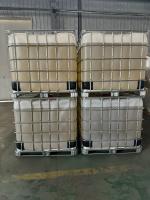
322_small.jpg "polydadmac (FL4440)with 50% solid content and 1000-3000 CPS viscosity from Chinafloc")