

Our Products

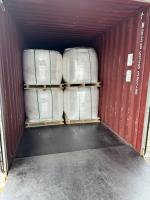
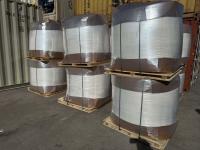
Polyacrylamide / anionic polyacrylamide used for Alumina Refining and red mud setting
Application of Anionic Polyacrylamide in Alumina Refining and Red Mud Settling
Anionic polyacrylamide (APAM) is one of the most important chemical additives used in the alumina refining industry, particularly for enhancing solid–liquid separation during clarification, red mud settling, thickening, washing, and filtration. In modern Bayer process refineries, efficient red mud settling and high-quality pregnant liquor clarification are essential for achieving high alumina recovery, stable plant operation, and reduced environmental impact. APAM, as a high-molecular-weight anionic flocculant, plays a central role in meeting these technical and economic objectives.
1. Role of APAM in the Bayer Process
Alumina is produced from bauxite ore using the Bayer process, which consists of digestion, clarification, precipitation, and calcination. During digestion, bauxite reacts with concentrated caustic soda at high temperature and pressure, dissolving alumina as sodium aluminate while leaving insoluble residues known as red mud. These residues are extremely fine, highly dispersed, and difficult to settle naturally due to their small particle size and strong electrostatic repulsion.
APAM is introduced during the clarification stage to promote the rapid aggregation of red mud particles. Its long polymer chains and negatively charged functional groups interact with the surface of solid particles to form large, dense, and fast-settling flocs. This significantly accelerates sedimentation and produces clear overflow liquor suitable for alumina precipitation.
2. Mechanism of Red Mud Flocculation and Settling
The primary mechanism by which APAM functions in red mud settling is polymer bridging. Red mud particles possess surface charges that cause mutual repulsion, preventing natural aggregation. When APAM is added:
-
The polymer chains adsorb onto multiple particles simultaneously.
-
Long molecular chains form bridges between particles.
-
Large, compact flocs are produced.
-
Settling velocity increases dramatically.
In highly alkaline Bayer liquor (pH > 12), anionic polyacrylamide remains chemically stable and highly effective. The resulting flocs are strong enough to withstand hydraulic shear in feed wells and settlers, yet flexible enough to release entrained liquor during thickening and washing.
3. Pregnant Liquor Clarification
One of the most critical applications of anionic polyacrylamide is in primary and secondary clarification of pregnant sodium aluminate liquor. Without effective flocculation, fine red mud particles remain suspended, resulting in:
-
High turbidity in overflow liquor
-
Poor precipitation performance
-
Product contamination
-
Increased filter load
-
Scaling and fouling in heat exchangers
By dosing APAM at the settler feed well or flash tank discharge, settling rates increase rapidly and overflow clarity improves significantly. This ensures that alumina trihydrate seeds added during precipitation are not contaminated by fine solids, thereby protecting product quality and improving crystal size distribution.
4. Red Mud Thickening and Washing
After initial clarification, the settled red mud is subjected to multistage counter-current washing to recover entrained alumina and caustic soda. Anionic polyacrylamide is essential in these thickening and washing stages to:
-
Increase mud settling velocity
-
Produce higher underflow solids concentration
-
Improve separation of liquor from solids
-
Enhance recovery of valuable caustic soda
-
Reduce fresh water consumption
Well-formed flocs allow efficient drainage of liquor and minimize short-circuiting in washer thickeners. This directly improves process economics by lowering soda losses and reducing energy consumption in evaporation.
5. APAM in Red Mud Filtration and Disposal
In many refineries, red mud is further dewatered using vacuum belt filters, pressure filters, or filter presses before disposal. Anionic polyacrylamide acts as a highly effective filter aid, providing:
-
Faster filtration rates
-
Lower cake moisture content
-
Improved cake release from filter cloth
-
Reduced filter cloth blinding
-
Lower operating resistance
These benefits reduce transportation costs, improve dry stacking performance, and enhance long-term stability of residue storage facilities. Efficient dewatering also minimizes the environmental footprint associated with red mud management.
6. Tailings Water Clarification and Recycling
Sustainable alumina production requires efficient reuse of process water. Red mud disposal areas contain large volumes of alkaline tailings water with suspended solids. APAM is widely used in:
-
Red mud pond clarification
-
Tailings water recycling systems
-
Secondary polishing clarifiers
APAM aggregates ultrafine solids into rapidly settling flocs, allowing clean supernatant water to be returned to the refining circuit. This reduces freshwater intake, lowers wastewater discharge volumes, and improves overall plant water balance.
7. Advantages of Anionic Polyacrylamide in Alumina Operations
Anionic polyacrylamide is preferred over many other flocculants in alumina refineries due to several technical advantages:
-
Excellent alkaline resistance – Fully compatible with highly caustic Bayer liquor.
-
Ultra-high molecular weight – Provides strong bridging and rapid floc growth.
-
Low dosage efficiency – Effective even at very low consumption rates.
-
High overflow clarity – Improves downstream precipitation and filtration.
-
Enhanced washing efficiency – Maximizes alumina and soda recovery.
-
Improved residue handling – Facilitates thickening, filtration, and disposal.
-
Reduced mechanical wear – Lower fine solids carryover protects pumps and pipelines.
8. Dosage Control and Application Practice
Typical dosages of APAM in alumina refining range from 5 to 60 g per ton of dry red mud solids, depending on ore mineralogy, particle size distribution, slurry temperature, and solids concentration. Key application points include:
-
Digestion discharge pipelines
-
Settler feed wells
-
Washer thickener feed points
-
Tailings clarification tanks
For maximum performance, APAM must be:
-
Properly diluted (typically 0.1–0.3% solution)
-
Fully aged to allow polymer chain uncoiling
-
Evenly dispersed with low-shear mixing
-
Accurately metered using automated dosing systems
Overdosing can cause restabilization of particles, increased liquor viscosity, and poor underflow compaction, making careful control essential.
9. Environmental and Economic Benefits
The application of anionic polyacrylamide contributes directly to both environmental protection and economic performance in alumina refineries:
-
Lower red mud pond volumes through improved dewatering
-
Reduced soda and alumina losses in washing circuits
-
Decreased freshwater usage through efficient water recycling
-
Lower energy demand in evaporation and filtration
-
Improved tailings stability, reducing long-term environmental risk
These benefits align with global sustainability goals and increasingly strict environmental regulations.
10. Future Development Trends
With the increasing use of low-grade, high-silica, and fine-grained bauxite, the technical demands on APAM products continue to rise. Future development trends include:
-
Ultra-high molecular weight APAM for faster settling
-
Enhanced shear-resistant polymer structures
-
Improved temperature and electrolyte tolerance
-
Reduced residual monomer content for environmental safety
-
Customized APAM grades tailored to specific bauxite types
These innovations will further improve red mud settling kinetics and refinery process stability.
Conclusion
Anionic polyacrylamide is an indispensable flocculant in modern alumina refining, particularly for pregnant liquor clarification, red mud settling, thickening, washing, filtration, and tailings water recycling. Its unique molecular structure and strong performance under highly alkaline conditions make it the most reliable solution for improving settling rates, enhancing liquor clarity, maximizing caustic soda and alumina recovery, and supporting environmentally responsible red mud disposal. As alumina producers continue to process more complex bauxite ores and face stricter sustainability requirements, the strategic importance of anionic polyacrylamide in alumina refining will continue to increase.
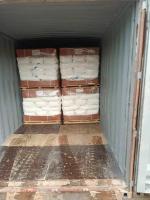
184_small.jpg "Temperature tolerant and salt resistant anionic polyacrylamide(PHPA POLYMER)")