Our Products
coagulant / the application of polyamine use in sugar industry clarification
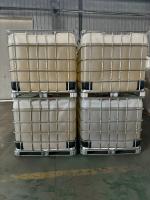


Polyamine is a highly effective cationic organic coagulant widely used in the sugar industry for juice clarification and impurity removal. In sugar processing, especially in cane sugar production, clarification is one of the most critical steps because it directly affects sugar quality, color, purity, and overall recovery yield. Raw sugarcane juice contains large amounts of suspended solids, colloidal matter, waxes, proteins, gums, and colored organic compounds. Polyamine plays an important role in improving the efficiency of clarification processes by enhancing floc formation, accelerating sedimentation, and reducing impurities.
Raw sugarcane juice is a complex mixture containing:
Many of these impurities are negatively charged and stable in suspension, making them difficult to remove through simple settling. Efficient clarification requires chemical treatment to destabilize these colloids, where polyamine becomes highly effective.
Polyamine is a water-soluble cationic polymer synthesized from amine-based monomers. It has a high charge density and relatively low to medium molecular weight, making it ideal for rapid coagulation processes.
Key properties include:
These characteristics make polyamine highly suitable for sugarcane juice clarification systems.
Polyamine improves juice clarification through several mechanisms:
(1) Charge neutralization
Most suspended and colloidal impurities in sugar juice carry negative charges. Polyamine neutralizes these charges, reducing repulsive forces and destabilizing the colloids.
(2) Floc formation and aggregation
Once destabilized, fine particles begin to aggregate into microflocs. Polyamine helps bind these particles together, forming larger flocs that can settle more easily.
(3) Entrapment of impurities
During floc formation, polyamine traps fine suspended solids, color bodies, and organic matter within the floc structure.
(4) Improved sedimentation rate
The resulting flocs are denser and settle faster, improving clarification tank performance.
Polyamine is typically used in the juice clarification stage of sugar production. The process generally includes:
Sugarcane is crushed to extract raw juice containing impurities.
Juice is heated to coagulation temperature (usually 70–105°C depending on process design). Heating helps destabilize proteins and improves coagulation efficiency.
Polyamine is added during or after heating in the rapid mixing stage. It is evenly distributed throughout the juice stream to ensure maximum contact with impurities.
Gentle mixing allows microflocs to grow into larger flocs. In many systems, lime and other clarification aids are also used in combination.
Flocs settle in clarifiers, separating clear juice from mud (mud juice or sludge).
Residual solids may be removed through filtration systems to improve juice clarity.
(1) Improved juice clarity
Polyamine significantly reduces turbidity and suspended solids, producing clearer juice for downstream processing.
(2) Enhanced sugar quality
By removing color-forming compounds and impurities, polyamine improves the color and purity of raw and refined sugar.
(3) Faster sedimentation
Stronger floc formation leads to faster settling in clarifiers, increasing production efficiency.
(4) Reduced chemical consumption
Polyamine can reduce the need for high doses of lime or other traditional clarifying agents.
(5) Lower mud volume
Better coagulation results in more compact sludge, reducing waste handling costs.
(6) Improved filtration performance
Cleaner juice reduces filter clogging and improves filter efficiency.
The optimal dosage of polyamine in sugar industry clarification depends on juice quality and process conditions.
Typical dosage range:
Key factors influencing dosage:
Jar testing is commonly used in sugar mills to determine optimal dosage.
Polyamine is often used in combination with other chemicals to improve clarification efficiency:
(1) Lime (Ca(OH)₂):
Lime adjusts pH and helps precipitate impurities. Polyamine enhances floc formation after lime addition.
(2) Polyaluminum chloride (PAC):
Sometimes used alongside polyamine to improve coagulation strength.
(3) Flocculants (e.g., polyacrylamide):
High molecular weight flocculants improve floc size and settling speed.
This multi-chemical system provides superior clarification performance compared to single-agent systems.
Although polyamine is highly effective, several factors must be considered:
(1) Overdosing risk
Excess polyamine can cause charge reversal, leading to poor clarification and turbid juice.
(2) Sensitivity to process conditions
Performance may vary with changes in juice composition and temperature.
(3) Cost considerations
Polyamine is more expensive than traditional inorganic clarifiers, but often reduces overall chemical usage.
(4) Need for optimization
Each sugar mill requires specific dosage optimization due to variations in cane quality.
Polyamine is increasingly used in modern sugar mills because it:
It is particularly valuable in large-scale cane sugar production where consistent juice quality is critical.
The use of polyamine in sugar clarification is expected to grow due to:
Future formulations may focus on more targeted performance for specific cane varieties and process conditions.
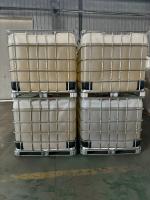
426_small.jpg "Polyamine resin|Epichlorohydrin-dimethylamine polymer|Poly(epichlorohydrin-dimethylamine)")
277_small.jpg "polyamine for sugar industry juice clarification process")