


Our Products


anionic polyacrylamide
Chinaflocs anionic powders range from low to very high molecular weight, low charge to very high charge and are a premium product suitable for all types of industrial treatment regardless of your industry.
Products Show
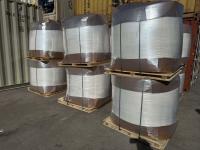
ZETAG 8127 DL is an anionic polyacrylamide (APAM) supplied in dry granular or bead form and designed primarily for solid–liquid separation processes. As a high-molecular-weight, negatively charged polymer, i
847_small.jpg)
PRAESTOL 2640 is a high–molecular weight anionic polyacrylamide flocculant designed to enhance solid–liquid separation processes across various industrial and municipal applications
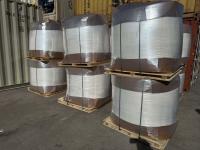
PRAESTOL 2640 is a high–molecular weight anionic polyacrylamide flocculant designed to provide efficient solid–liquid separation across a wide range of industrial and municipal applications.
840_small.jpg)
ALCLAR HP-21 is a high–performance anionic polyacrylamide flocculant specifically designed for solid–liquid separation processes in mining, mineral processing, alumina refining, industrial wastewater treatment, and sludge dewatering applic...
305_small.jpg)
ZETAG 4145 is a high–molecular weight anionic polyacrylamide flocculant specifically developed for efficient solid–liquid separation in demanding industrial environments.
478_small.jpg)
ZETAG 4145 is a high–molecular weight anionic polyacrylamide flocculant widely used in solid–liquid separation processes across mining, mineral processing, alumina refining,
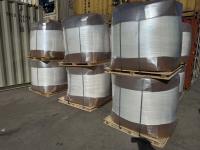
PRAESTOL 2640 is a high–molecular weight anionic polyacrylamide flocculant developed for efficient solid–liquid separation in a wide range of industrial and municipal processes
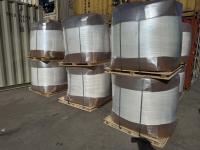
PRAESTOL 2640 is a high–molecular weight anionic polyacrylamide flocculant widely used in solid–liquid separation processes in mining, mineral processing, wastewater treatment, sludge management, and heavy industrial operations.
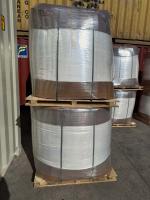
MAGNAFLOC 5250 is a high-performance polymeric flocculant developed for demanding solid–liquid separation processes in mining, mineral processing, alumina refining, wastewater treatment, and other heavy industrial applications.