

Our Products

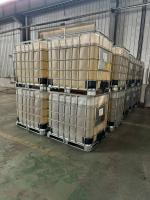
coagulant / Polyamie FLOQUAT FL3150 can be replaced by Chinafloc-polyamine FL3150
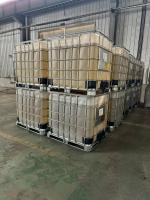
Applications of Polyamine: A Comprehensive Guide
Polyamine is a widely used liquid organic polymer coagulant, primarily applied in water and wastewater treatment. It is a cationic polymer containing positively charged functional groups that can neutralize negatively charged particles, colloids, organic substances, and suspended solids in water. Because of its strong charge-neutralization ability and compatibility with many treatment processes, polyamine is used in municipal water treatment, industrial wastewater treatment, sludge dewatering, papermaking, mining, oil and gas, textile wastewater, sugar clarification, and many other industries.
1. Polyamine in Drinking Water Treatment
One of the most important applications of polyamine is the treatment of raw water for drinking-water production. Natural surface water can contain suspended solids, clay, algae, microorganisms, color-causing substances, and dissolved organic matter. Many of these contaminants have negatively charged surfaces.
When polyamine is added to water, its cationic charges interact with negatively charged particles. This reduces electrostatic repulsion and promotes aggregation. Small particles combine into larger flocs that can subsequently be removed by sedimentation, clarification, flotation, or filtration.
Compared with some conventional inorganic coagulants, polyamine can provide effective coagulation at relatively low dosage and may reduce the quantity of inorganic sludge produced. It can also be used together with aluminum or iron salts when a combined coagulation strategy is required.
2. Municipal Wastewater Treatment
Polyamine is also extensively used in municipal wastewater treatment plants. Municipal wastewater contains suspended solids, colloidal particles, organic matter, microorganisms, phosphorus compounds, and other contaminants.
In primary clarification, polyamine can accelerate the aggregation and settling of suspended solids. This can improve clarifier performance and reduce the solids load entering biological treatment.
In some plants, polyamine can also be used for tertiary treatment and sludge conditioning. The exact dosage depends on wastewater characteristics, solids concentration, pH, temperature, and the equipment used.
3. Industrial Wastewater Treatment
Industrial wastewater is one of the largest application areas for polyamine. Different industrial processes generate wastewater containing oils, dyes, suspended solids, colloids, organic compounds, and other difficult-to-remove materials.
Industries commonly evaluating polyamine include:
- Petrochemical plants
- Chemical manufacturing
- Food processing
- Textile factories
- Paper mills
- Metal processing
- Mining operations
- Pharmaceutical manufacturing
- Electronics manufacturing
- Industrial laundries
The main function of polyamine is generally coagulation and destabilization. By neutralizing particle charges, polyamine allows small contaminants to form larger flocs that can be separated more easily.
4. Oil and Grease Removal
Another important application of polyamine is the treatment of wastewater containing oil and grease. Petrochemical, refinery, metalworking, food-processing, and automotive industries can generate oily wastewater.
Oil droplets may remain dispersed in water because of their small size and surface charge. Polyamine can destabilize these dispersed droplets and assist their aggregation.
Depending on the treatment system, the resulting material can then be removed through dissolved air flotation (DAF), induced air flotation, clarification, or filtration. In many applications, polyamine is combined with a flocculant such as anionic polyacrylamide to improve floc size and separation.
5. Sludge Dewatering
Polyamine is also used as a conditioning chemical for sludge treatment. Wastewater treatment produces sludge containing water, organic matter, inorganic solids, and microorganisms. Mechanical dewatering is difficult when the sludge particles remain highly hydrated and stable.
A suitable polyamine can destabilize sludge particles and improve the release of bound water. This can increase the efficiency of equipment such as:
- Belt filter presses
- Centrifuges
- Screw presses
- Filter presses
In many sludge-dewatering systems, polyamine is used either alone or together with polyacrylamide. The optimum product depends strongly on sludge characteristics, so laboratory jar testing and dewatering trials are normally recommended.
6. Papermaking Industry
The papermaking industry is another significant application for polyamine. Paper production involves large quantities of process water containing fibers, fillers, pigments, dissolved organic materials, and other suspended substances.
Polyamine can be used as a retention and drainage aid or as part of wastewater clarification, depending on its molecular structure and charge characteristics.
In wastewater treatment, polyamine helps remove suspended fibers and colloidal materials. Improved solids separation can reduce the load on downstream biological treatment and allow more effective recycling of process water.
7. Textile and Dyeing Wastewater
Textile wastewater can contain dyes, pigments, surfactants, suspended solids, and other organic substances. Many textile dyes are difficult to remove using biological treatment alone.
Cationic polyamine can interact with negatively charged dye molecules and colloidal particles, helping destabilize them and form separable aggregates. This makes polyamine particularly useful in coagulation-flocculation systems treating dyeing and printing wastewater.
For highly colored wastewater, polyamine may be combined with inorganic coagulants, activated carbon, hydrogen peroxide-based oxidation, or polyacrylamide depending on the treatment objective.
8. Mining and Mineral Processing
Polyamine can also have applications in mining and mineral-processing wastewater. Mining operations generate water containing fine mineral particles, clay, suspended solids, and process chemicals.
Because many mineral particles possess negative surface charges, cationic polyamine can help destabilize certain suspended materials. It may therefore be used in clarification and water recycling systems.
However, mineral-processing applications are highly dependent on ore mineralogy and process chemistry. A product that works well for one ore may perform poorly for another. Laboratory testing is therefore essential before selecting a commercial polyamine.
9. Sugar Industry
In sugar processing, clarification is required to remove suspended impurities, colloidal materials, and color-producing substances from process streams. Certain grades of polyamine can be used as part of coagulation systems to improve clarification.
The polymer can assist in destabilizing colloidal impurities and promoting the formation of larger particles that can be separated by sedimentation or flotation.
For food-related applications, however, the selected polyamine must meet the relevant regulatory and process requirements. Not every industrial-grade polyamine is suitable for food or sugar processing.
10. Oilfield and Petroleum Applications
Certain specialized polyamine products are used in petroleum and oilfield water-treatment applications. Produced water and refinery wastewater may contain suspended solids, emulsified oil, organic compounds, and other contaminants.
A suitable polyamine can help break emulsions and destabilize dispersed contaminants, improving subsequent flotation or clarification.
The selection of polyamine depends on the type of oil, water chemistry, temperature, salinity, emulsion stability, and downstream separation equipment.
11. Color Removal and Organic Contaminant Reduction
One of the advantages of cationic polyamine is its ability to interact with negatively charged organic substances. Consequently, it can contribute to color reduction in certain industrial wastewater streams.
This is especially relevant to textile, pulp and paper, food, chemical, and other industries where dissolved or colloidal organic materials contribute to wastewater color.
However, polyamine should not automatically be considered a complete solution for all dissolved contaminants. Its effectiveness depends on contaminant chemistry and molecular structure.
12. Polyamine Combined with Other Treatment Chemicals
In practical water-treatment plants, polyamine is frequently used as part of a chemical treatment program rather than as the only chemical.
For example, a treatment sequence may involve:
Polyamine → inorganic coagulant → anionic polyacrylamide → clarification → filtration
Alternatively, polyamine may be combined with polyaluminum chloride (PAC), ferric chloride, aluminum sulfate, or other coagulants.
The purpose is to achieve charge neutralization first and then produce strong, rapidly settling flocs.
Conclusion
Overall, polyamine is a versatile cationic polymer with its primary application in coagulation and clarification of water and wastewater. Its major applications include drinking-water treatment, municipal wastewater treatment, industrial wastewater treatment, oil and grease removal, sludge conditioning, papermaking, textile wastewater treatment, mining, sugar clarification, and petroleum-related wastewater treatment.
The biggest advantage of polyamine is its strong positive charge, which enables it to rapidly destabilize many negatively charged particles and colloids. It can improve clarification efficiency, assist solid-liquid separation, reduce suspended solids, and work effectively in combination with other coagulants and flocculants.
Nevertheless, there is no universal polyamine suitable for every wastewater. Different products have different molecular weights, charge densities, active contents, viscosities, and performance characteristics. Jar testing, beaker testing, and pilot-scale trials are therefore important for selecting the correct polyamine grade and determining the optimum dosage.
343_small.jpg "polyamine for color removal in textile wastewater")
767_small.jpg "the application of polyamine for mining wastewater treatment")