FLOPAM FO 4490 is a cationic polyacrylamide (CPAM) flocculant developed by SNF Group for high-efficiency solid–liquid separation. As a cationic polymer, it carries positively charged functional groups along a very long molecular chain. These positive charges neutralize negatively charged particles such as organic sludge, biological flocs, clay, and many industrial colloids. Combined with its high molecular weight, the product forms large, dense flocs that settle rapidly and release water efficiently.
Below is a detailed explanation of its major applications across industries.
1. Municipal Wastewater Treatment
One of the most important applications of cationic FLOPAM FO 4490 is in municipal wastewater treatment plants (WWTPs).
(1) Primary Sludge Treatment
During primary clarification, suspended solids settle to form primary sludge. Adding cationic polyacrylamide improves floc size and settling rate. The polymer neutralizes negatively charged particles and bridges them together, producing heavier flocs that settle quickly. This enhances solids capture and reduces turbidity in clarified effluent.
(2) Secondary (Biological) Sludge Dewatering
Biological sludge contains microorganisms and organic matter with strong negative surface charges. Cationic FLOPAM FO 4490 is highly effective in conditioning this sludge before mechanical dewatering equipment such as:
Benefits include:
-
Higher cake solids content
-
Lower sludge volume
-
Improved filtration speed
-
Reduced polymer consumption compared with lower molecular weight products
Higher dryness directly reduces sludge transportation and disposal costs.
2. Industrial Wastewater Treatment
Cationic polyacrylamide is widely used in industrial effluent treatment, especially where wastewater contains high organic content or negatively charged colloids.
(1) Food and Beverage Industry
Effluents from breweries, dairy plants, meat processing facilities, and sugar refineries contain suspended organic solids. FLOPAM FO 4490 improves sedimentation and flotation processes, ensuring compliance with discharge standards.
(2) Pulp and Paper Industry
In paper mills, cationic polymers enhance fiber and filler retention. They improve drainage on the paper machine and reduce solids loss in white water systems. In wastewater circuits, the polymer assists in sludge thickening and clarification.
(3) Textile Industry
Textile wastewater often contains dyes, surfactants, and fine fibers. The cationic charge neutralizes anionic dye molecules and suspended particles, improving clarification efficiency.
(4) Petrochemical and Refinery Effluents
In oily wastewater treatment systems, cationic polymers help aggregate emulsified oil droplets and suspended solids after coagulation, supporting dissolved air flotation (DAF) and sedimentation units.
3. Sludge Thickening Applications
Cationic FLOPAM FO 4490 is frequently applied in gravity thickeners and flotation thickeners. Sludge thickening increases solids concentration prior to digestion or dewatering.
Advantages include:
-
Faster thickening rates
-
Improved underflow consistency
-
Reduced polymer dosage when optimized
-
Stable thickened sludge for downstream processing
In anaerobic digestion systems, properly thickened sludge improves digester efficiency and biogas production stability.
4. Mining Industry (Specific Conditions)
Although anionic polyacrylamides are more common in mineral processing, cationic grades like FLOPAM FO 4490 are used in certain cases, such as:
-
Treatment of negatively charged fine clays
-
Coal slurry clarification
-
Wastewater from mineral washing operations
Cationic charge neutralization enhances aggregation of ultrafine particles, improving sedimentation and water reuse.
5. Oilfield Applications
In oilfield wastewater treatment systems, produced water often contains suspended solids, oil droplets, and negatively charged colloids. Cationic polyacrylamide supports clarification processes by:
This helps meet regulatory discharge standards and protects reinjection wells from plugging.
6. Drinking Water and Surface Water Treatment (Indirect Use)
While not always directly added to potable water, cationic polymers may be used in sludge handling processes within drinking water plants. After coagulation with aluminum or iron salts, sludge generated in sedimentation basins is conditioned with FLOPAM FO 4490 to improve dewatering efficiency.
7. Dissolved Air Flotation (DAF) Systems
Cationic FLOPAM FO 4490 is highly effective in DAF units, which are widely used in:
The polymer strengthens flocs so that microbubbles attach effectively, allowing solids to float to the surface for removal. Strong flocs resist shear forces during flotation.
8. Mechanism of Action
The performance of cationic FLOPAM FO 4490 is based on two main mechanisms:
(1) Charge Neutralization
Negatively charged particles are destabilized when the positively charged polymer adsorbs onto their surface. This reduces electrostatic repulsion.
(2) Polymer Bridging
The long molecular chains extend into solution and connect multiple particles together, forming large aggregates that settle or float efficiently.
Operational factors affecting performance include:
-
pH (typically effective between 4–9)
-
Mixing intensity
-
Polymer solution concentration
-
Aging time after dissolution
-
Solids concentration
Correct dosing is critical. Overdosing may lead to charge reversal and reduced settling efficiency.
9. Economic and Operational Benefits
Users select cationic FLOPAM FO 4490 for:
-
High molecular weight for strong floc formation
-
Excellent sludge dewatering performance
-
Improved cake dryness
-
Reduced disposal costs
-
Faster settling rates
-
Enhanced overflow clarity
These advantages translate into lower operational expenses and improved plant reliability.
10. Handling and Preparation
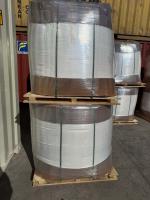
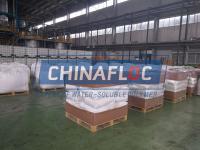
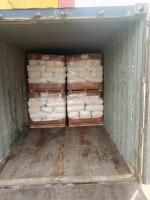
The product is generally supplied in powder form. It must be dissolved in clean water to prepare a dilute solution (typically 0.1–0.3%). Adequate hydration time (30–60 minutes) ensures full polymer activation. Gentle mixing prevents chain breakage and maintains performance.