Our Products
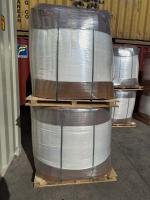
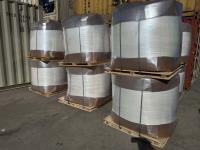
Polyacrylamide / the equiavlent of Core shell 71300 cationic polyacrylamide be replaced by Chinafloc EM series
918_small.jpg "the equiavlent of Core shell 71300 cationic polyacrylamide be replaced by Chinafloc EM series")


Nalco 71300 is a high-performance cationic polyacrylamide flocculant developed with core–shell polymer technology. This advanced structure provides faster dissolution, higher floc strength, and improved resistance to mechanical shear compared with conventional polymer emulsions. Because of these advantages, the application of core shell 71300 is widely found in municipal wastewater treatment, industrial effluent clarification, sludge thickening, sludge dewatering, and dissolved air flotation systems. Its primary role in these processes is to enhance solid–liquid separation through the combined mechanisms of charge neutralization and polymer bridging.
One of the most important applications of core shell 71300 is in municipal wastewater treatment plants. Domestic sewage contains suspended solids, microorganisms, organic matter, and colloidal particles that carry negative surface charges. These charges keep particles dispersed in water, preventing natural settling. When core shell 71300 is introduced into the treatment system, the positively charged functional groups on the polymer chain neutralize the negative charges of the particles. This destabilizes the colloids and allows them to aggregate. At the same time, the long polymer chains form bridges between multiple particles, creating larger and denser flocs. These flocs settle quickly in sedimentation tanks or clarifiers, significantly improving water clarification efficiency. The application of core shell 71300 therefore helps reduce turbidity, improve effluent quality, and increase the overall efficiency of municipal wastewater treatment systems.
Another key application of core shell 71300 is sludge dewatering. During biological wastewater treatment processes, large volumes of sludge are produced. This sludge is typically composed of microorganisms, organic matter, and fine suspended solids that retain water strongly. Before final disposal or further processing, the sludge must be dewatered to reduce its volume and weight. Core shell 71300 functions as an effective sludge conditioning agent by neutralizing the negative charges on sludge particles and binding them together into larger flocs. These larger flocs release water more easily during mechanical dewatering. In equipment such as centrifuges, belt filter presses, screw presses, and plate-and-frame filter presses, the use of core shell 71300 can significantly increase sludge cake dryness and improve filtrate clarity. As a result, wastewater treatment plants can reduce sludge transportation and disposal costs while improving operational efficiency.
The application of core shell 71300 is also common in industrial wastewater treatment. Many industrial processes generate wastewater containing high levels of suspended solids, oils, organic pollutants, and colloidal particles. Industries such as pulp and paper, textiles, food processing, petrochemicals, and chemical manufacturing often require efficient treatment systems to meet environmental discharge standards. In these applications, core shell 71300 acts as a powerful flocculant that rapidly aggregates fine particles. Its strong cationic charge interacts effectively with negatively charged contaminants, forming large flocs that can be removed by sedimentation, flotation, or filtration. For example, in pulp and paper mills, core shell 71300 helps remove fine fibers and fillers from wastewater streams, improving water clarity and enabling water reuse. In food processing plants, the polymer assists in removing proteins, fats, and organic residues from effluents.
Another important application of core shell 71300 is in dissolved air flotation (DAF) systems, which are commonly used in industrial wastewater treatment. DAF systems work by injecting microscopic air bubbles into wastewater. These bubbles attach to flocculated particles, causing them to float to the surface where they can be removed by skimming. When core shell 71300 is used before the flotation stage, it forms strong and stable flocs that attach easily to air bubbles. This improves flotation efficiency and increases the removal of oils, grease, and suspended solids. As a result, DAF systems using core shell polymers often achieve higher separation performance and lower chemical consumption.
Core shell 71300 is also widely applied in sludge thickening processes. Before sludge enters the dewatering stage, it is often thickened to increase the concentration of solids. In gravity thickeners or flotation thickeners, core shell 71300 promotes rapid aggregation of fine sludge particles, allowing them to settle or float more efficiently. This increases the solids concentration of the thickened sludge and reduces the volume that must be processed in downstream equipment. By improving sludge thickening performance, the polymer helps wastewater treatment plants reduce energy consumption and improve the overall efficiency of sludge management systems.
The advanced core–shell polymer structure provides several advantages that enhance these applications. In this technology, the polymer particles contain a functional core surrounded by a protective shell. The shell helps protect the active polymer during storage and transportation, while the core provides strong flocculation performance once the polymer is activated in water. This design enables the polymer to dissolve more quickly and uniformly compared with traditional emulsions. Faster dissolution reduces preparation time and ensures that the polymer is fully activated before being introduced into the treatment process. In addition, the flocs formed by core shell polymers are stronger and more resistant to shear forces during mixing and pumping. This is particularly beneficial in high-shear environments such as centrifuges or rapid-mix systems.
From an operational perspective, core shell 71300 is typically supplied as a liquid emulsion and must be diluted with water before use. Proper dilution ensures that the polymer chains are fully extended and capable of interacting with suspended particles. The optimal dosage depends on the characteristics of the wastewater or sludge being treated, including solids concentration, pH, and organic content. Laboratory jar testing is commonly used to determine the most effective polymer dosage and operating conditions. Accurate dosing is important because insufficient polymer may result in incomplete flocculation, while excessive polymer may cause restabilization of particles or increased treatment costs.
In summary, the application of core shell 71300 covers a wide range of water and wastewater treatment processes. It is widely used in municipal wastewater clarification, industrial wastewater treatment, sludge thickening, sludge dewatering, and dissolved air flotation systems. Through the combined mechanisms of charge neutralization and polymer bridging, the polymer effectively aggregates suspended solids and enhances solid–liquid separation. Its advanced core–shell structure provides rapid dissolution, strong floc formation, and improved resistance to shear, making core shell 71300 a highly efficient and reliable flocculant for modern water treatment operations.