

Our Products

Polyacrylamide / PRAESTOL DW27 AG cationic polyacrylamide can be replaced by Chinafloc C2514
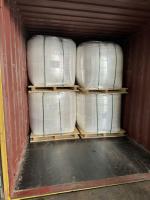
PRAESTOL DW27 AG is a high-performance cationic polyacrylamide (CPAM) flocculant widely used for solid–liquid separation in municipal and industrial processes. With its high molecular weight and strong cationic charge density, it is especially effective in treating suspensions containing negatively charged particles such as organic sludge, colloids, and biological solids. The application of PRAESTOL DW27 AG spans multiple industries, where it plays a crucial role in improving separation efficiency, reducing operational costs, and enhancing overall process performance.
Municipal Wastewater Treatment
One of the primary applications of PRAESTOL DW27 AG is in municipal wastewater treatment plants. Wastewater generated from domestic sources contains suspended solids, organic matter, microorganisms, and colloidal particles. These impurities are typically negatively charged and remain stable in water without proper treatment.
PRAESTOL DW27 AG acts as a flocculant by neutralizing these negative charges and forming large flocs through polymer bridging. This significantly enhances sedimentation in primary and secondary clarifiers. In activated sludge systems, the product improves sludge settling characteristics, reduces turbidity in treated water, and enhances effluent clarity.
Additionally, it helps wastewater treatment facilities meet stringent discharge standards while optimizing the efficiency of sedimentation tanks and reducing the load on downstream filtration systems.
Sludge Thickening and Dewatering
Sludge treatment is another critical area where PRAESTOL DW27 AG is widely applied. Sludge generated from wastewater treatment contains a large amount of water, making it difficult and costly to handle and dispose of.
When used as a conditioning agent, PRAESTOL DW27 AG promotes the aggregation of fine sludge particles into larger, stronger flocs. This improves water release during thickening and dewatering processes such as centrifugation, belt filter pressing, and screw pressing.
The benefits include:
- Increased sludge cake solids content
- Reduced sludge volume
- Lower transportation and disposal costs
- Improved operational efficiency of dewatering equipment
Compared to inorganic coagulants alone, PRAESTOL DW27 AG provides superior performance due to its long-chain polymer structure and strong adsorption capacity.
Industrial Wastewater Treatment
PRAESTOL DW27 AG is extensively used in industrial wastewater treatment across a wide range of sectors. Industrial effluents often contain complex contaminants such as oils, greases, dyes, suspended solids, and organic pollutants.
In such systems, PRAESTOL DW27 AG is typically applied after primary coagulation to enhance flocculation. Its cationic nature makes it particularly effective in treating wastewater rich in organic matter and negatively charged colloids.
Major industrial applications include:
- Food and beverage processing wastewater
- Textile and dyeing effluents
- Petrochemical and refinery wastewater
- Chemical manufacturing effluents
- Electroplating and metal finishing wastewater
The polymer improves clarification efficiency, reduces chemical oxygen demand (COD), and ensures compliance with environmental discharge regulations.
Drinking Water Treatment
PRAESTOL DW27 AG can also be used as a coagulant aid in drinking water treatment plants. Although used at relatively low dosages, it significantly enhances the performance of primary coagulants such as aluminum sulfate and ferric salts.
In potable water systems, it helps remove fine suspended particles and turbidity, leading to improved water clarity. It also enhances filtration efficiency by forming larger flocs that are more easily removed in filtration units.
Its use contributes to:
- Reduced coagulant consumption
- Improved filter run times
- Enhanced overall water quality
When used according to regulatory standards, it is safe and effective for potable water applications.
Pulp and Paper Industry
In the pulp and paper industry, PRAESTOL DW27 AG serves multiple roles that improve both product quality and process efficiency. It is commonly used as a retention and drainage aid during papermaking.
The cationic polymer interacts with negatively charged cellulose fibers and fillers, improving their retention on the paper sheet. This reduces raw material loss and enhances sheet formation.
Key benefits include:
- Improved fiber and filler retention
- Faster drainage on paper machines
- Increased production speed
- Enhanced paper strength and uniformity
In addition, PRAESTOL DW27 AG is used for treating paper mill wastewater, where it aids in removing suspended solids and recovering fibers.
Mining and Mineral Processing
In mining operations, large volumes of slurry containing fine particles must be processed efficiently. PRAESTOL DW27 AG is used to improve solid–liquid separation in various stages of mineral processing.
Typical applications include:
- Tailings thickening
- Clarification of process water
- Dewatering of mineral concentrates
While anionic flocculants are often preferred for inorganic mineral systems, PRAESTOL DW27 AG is particularly useful in situations involving organic contaminants or clay-rich slurries. It enhances floc formation, leading to faster settling rates and improved water recovery.
This contributes to more sustainable mining operations by reducing water consumption and minimizing environmental impact.
Oil and Gas Industry
In the oil and gas sector, PRAESTOL DW27 AG is used for treating produced water and refinery wastewater. These streams often contain emulsified oils, suspended solids, and organic contaminants that are difficult to remove.
The cationic polymer destabilizes emulsions and promotes the aggregation of oil droplets and solids into flocs that can be easily separated. This improves oil–water separation efficiency and ensures that treated water meets discharge or reuse requirements.
Applications include:
- Produced water treatment
- Refinery wastewater clarification
- Drilling fluid treatment
Its effectiveness in handling complex wastewater compositions makes it a valuable tool in oilfield operations.
Textile and Dyeing Industry
Textile wastewater is characterized by high color intensity, organic load, and the presence of negatively charged dye molecules. PRAESTOL DW27 AG is particularly effective in removing these contaminants.
It works by forming complexes with dye molecules and facilitating their removal through flocculation. This results in significant color reduction and improved effluent quality.
Key applications include:
- Decolorization of dyeing wastewater
- Removal of suspended solids
- Sludge treatment
The use of PRAESTOL DW27 AG helps textile manufacturers meet environmental regulations and reduce the impact of wastewater discharge.
Agriculture and Soil Conditioning
Although less common, PRAESTOL DW27 AG can also be applied in agriculture for soil conditioning and erosion control. It improves soil structure by binding fine particles together, which enhances water infiltration and reduces runoff.
Benefits include:
- Improved soil stability
- Reduced erosion
- Enhanced water retention
This application is particularly useful in irrigation systems and areas prone to soil degradation.
Mechanism and Advantages
The effectiveness of PRAESTOL DW27 AG is based on two key mechanisms: charge neutralization and polymer bridging. Its cationic charge neutralizes negatively charged particles, while its long molecular chains link particles together to form large flocs.
This dual mechanism provides several advantages:
- High flocculation efficiency
- Rapid settling rates
- Low dosage requirements
- Broad applicability across industries
Conclusion
The application of PRAESTOL DW27 AG demonstrates its versatility as a powerful cationic polyacrylamide flocculant. From municipal wastewater treatment and sludge dewatering to industrial processing and environmental protection, it plays a vital role in improving solid–liquid separation processes.
Its strong charge density, high molecular weight, and excellent bridging capability make it particularly effective for treating organic-rich and negatively charged systems. As industries continue to prioritize efficiency and sustainability, PRAESTOL DW27 AG remains an essential solution for modern water treatment and resource management challenges.