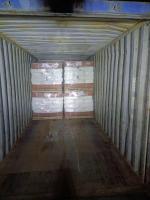
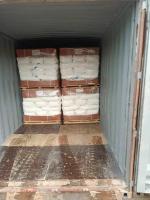
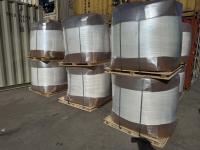
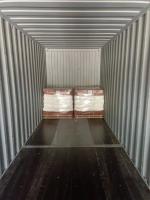
MAGNAFLOC® 338 is a high–molecular-weight anionic polyacrylamide flocculant widely used in solid–liquid separation processes across mining, mineral processing, metallurgy, alumina refining, and industrial water treatment. Due to its strong anionic charge density and excellent bridging capability, MAGNAFLOC® 338 is particularly effective for flocculating fine, negatively charged mineral particles and metal oxide suspensions under alkaline conditions.
1. General Characteristics and Flocculation Mechanism
MAGNAFLOC® 338 operates primarily through a polymer bridging mechanism, where long polymer chains adsorb onto multiple particles simultaneously, forming large, dense flocs. The anionic functional groups along the polymer backbone enhance adsorption onto positively charged sites on mineral surfaces, especially in high-pH environments.
Compared with lower-molecular-weight anionic polyacrylamides, MAGNAFLOC® 338 provides:
-
Faster settling rates
-
Improved overflow clarity
-
Stronger, shear-resistant flocs
-
Enhanced underflow solids concentration
These properties make MAGNAFLOC® 338 suitable for high-throughput thickeners and clarifiers.
2. Application in Mining and Mineral Processing
2.1 Tailings Thickening and Clarification
One of the primary applications of MAGNAFLOC® 338 is in tailings thickening for mining operations such as:
-
Copper
-
Gold
-
Iron ore
-
Phosphate
-
Coal washing
In tailings circuits, fine mineral particles remain suspended after grinding and flotation. MAGNAFLOC® 338 accelerates particle aggregation, allowing rapid sedimentation in:
The use of MAGNAFLOC® 338 results in:
-
Higher underflow density
-
Reduced water content in tailings
-
Improved water recovery for reuse
-
Lower operating costs in tailings disposal
2.2 Clarification of Process Water
MAGNAFLOC® 338 is extensively used to clarify recycled process water in mining plants. By removing suspended solids, it:
Clearer recycled water directly enhances overall plant stability and metallurgical performance.
3. Application in Alumina and Bauxite Processing
In alumina refineries, MAGNAFLOC® 338 plays an important role in red mud settling and washing circuits. During the Bayer process, bauxite digestion generates large volumes of alkaline slurry containing fine red mud particles.
MAGNAFLOC® 338 is applied in:
Its benefits include:
-
Faster red mud settling rates
-
Improved liquor clarity
-
Enhanced recovery of caustic soda
-
Reduced mud carryover into pregnant liquor
Because MAGNAFLOC® 338 performs well under extremely high pH and temperature, it is well suited for alumina operations requiring stable long-term flocculation performance.
4. Application in Industrial Water and Wastewater Treatment
4.1 Primary and Secondary Clarification
MAGNAFLOC® 338 is used as a primary flocculant or co-flocculant in industrial wastewater treatment plants handling:
When combined with inorganic coagulants such as alum or ferric salts, MAGNAFLOC® 338 improves:
4.2 Sludge Thickening and Dewatering
In sludge treatment systems, MAGNAFLOC® 338 enhances the performance of:
-
Gravity thickeners
-
Belt filter presses
-
Vacuum filters
-
Centrifuges
The polymer forms strong, drainable flocs, resulting in:
5. Application in Coal Preparation and Washing Plants
MAGNAFLOC® 338 is widely applied in coal washing plants for the clarification of:
-
Fine coal tailings
-
Black water circuits
Its strong anionic nature allows effective flocculation of coal fines and clay particles, improving:
-
Thickener throughput
-
Overflow clarity
-
Water reuse efficiency
The use of MAGNAFLOC® 338 contributes to environmental compliance by minimizing suspended solids discharge.
6. Application in Metallurgical and Chemical Industries
In metallurgical processes, MAGNAFLOC® 338 assists in the clarification of:
In chemical plants, it is used to remove fine inorganic solids from:
-
Process effluents
-
Cooling water blowdown
-
Reactor wash waters
Its chemical stability allows consistent performance even in high-salinity or variable-composition systems.
7. Dosage, Preparation, and Handling
MAGNAFLOC® 338 is typically supplied as a dry granular powder. Proper preparation is critical for optimal performance:
-
Make-down concentration: 0.1–0.5%
-
Hydration time: 45–60 minutes
-
Gentle agitation to avoid polymer degradation
Dosage varies depending on solids concentration and particle characteristics, typically ranging from 5 to 100 g/t of dry solids.
8. Summary of Key Benefits
In summary, MAGNAFLOC® 338 is a versatile and high-performance anionic polyacrylamide flocculant offering:
-
Rapid settling and superior clarification
-
High underflow density
-
Strong floc structure
-
Excellent performance in alkaline systems
-
Reduced water consumption and operating costs
These advantages make MAGNAFLOC® 338 a preferred flocculant in mining, alumina refining, coal processing, and industrial water treatment applications.