Superfloc N-1986 is a high molecular weight nonionic polyacrylamide (NPAM) emulsion developed by Kemira. As a nonionic flocculant, it has a neutral charge, making it especially suitable for systems where ionic interactions are limited or where suspended particles exhibit low or variable surface charge. The application of Superfloc N-1986 nonionic polyacrylamide emulsion is extensive across industries that require efficient solid–liquid separation, improved filtration, and enhanced process water clarity.
One of the primary applications of Superfloc N-1986 nonionic polyacrylamide emulsion is in mining and mineral processing. In many mineral beneficiation processes, such as phosphate, copper, gold, and iron ore operations, the slurry contains ultrafine particles that are difficult to settle due to weak surface charge. Nonionic polyacrylamides like Superfloc N-1986 work mainly through polymer bridging mechanisms rather than charge neutralization. The long polymer chains adsorb onto particle surfaces and physically link them together, forming large, dense flocs. These flocs settle rapidly in thickeners, improving underflow density and producing clear overflow water that can be recycled. This leads to better water recovery, reduced environmental discharge, and improved operational efficiency.
In tailings management, Superfloc N-1986 nonionic polyacrylamide emulsion is used to accelerate the settling and consolidation of fine tailings. Fine tailings often remain suspended for long periods, posing challenges for storage and water reuse. The application of Superfloc N-1986 helps form stable flocs that enhance sedimentation rates and improve the clarity of supernatant water. This is particularly important in environmentally sensitive mining operations where water conservation and tailings stability are critical.
Another important application of Superfloc N-1986 nonionic polyacrylamide emulsion is in municipal and industrial wastewater treatment. It is commonly used as a flocculant following primary coagulation. In systems where the wastewater contains low-charge colloids, organic matter, or finely dispersed solids, nonionic polymers are more effective than ionic types. Superfloc N-1986 enhances the aggregation of suspended particles, improving settling and filtration processes. It is especially useful in industries such as food processing, ceramics, and metallurgy, where effluents may contain neutral or weakly charged particles.
In sludge dewatering, the application of Superfloc N-1986 nonionic polyacrylamide emulsion is highly valuable. Sludge generated from wastewater treatment often contains fine particles and bound water that are difficult to remove. Superfloc N-1986 conditions the sludge by forming large, shear-resistant flocs, which release water more easily during mechanical dewatering processes such as centrifuges, belt filter presses, and screw presses. This results in higher cake solids, reduced sludge volume, and lower disposal costs. Its nonionic nature makes it particularly suitable for sludges that are sensitive to charge interactions or where cationic/anionic polymers are less effective.
In the paper and pulp industry, Superfloc N-1986 is used in process water clarification and fiber recovery systems. Paper mills generate large volumes of white water containing fine fibers, fillers, and additives. Superfloc N-1986 helps flocculate these materials, allowing them to be recovered and reused in the papermaking process. This improves raw material efficiency and reduces wastewater load. Additionally, it aids in clarifying effluent streams, enabling water reuse and supporting environmental compliance.
Another significant application of Superfloc N-1986 nonionic polyacrylamide emulsion is in the ceramics and kaolin industries. In these sectors, suspensions often contain extremely fine particles with low surface charge, making them difficult to settle. Superfloc N-1986 effectively aggregates these particles, improving sedimentation and filtration rates. This enhances product quality and reduces processing time. In kaolin processing, for example, it is used to clarify clay suspensions and recover valuable minerals.
In sand washing and construction material processing, Superfloc N-1986 is used to recover fine particles and clarify wash water. During sand and gravel washing, fine particles are suspended in water, leading to material loss and environmental concerns. The application of Superfloc N-1986 helps aggregate these fines into larger flocs that can be easily separated. This improves yield, reduces waste, and allows water to be recycled within the plant.
Superfloc N-1986 nonionic polyacrylamide emulsion is also applied in oil and gas operations, particularly in produced water treatment. Produced water often contains a mixture of oil droplets, suspended solids, and organic matter. While cationic or anionic polymers are commonly used, nonionic polymers like Superfloc N-1986 can be advantageous in systems where the composition is variable or where ionic interactions are less predictable. It helps aggregate suspended solids and improves the efficiency of separation processes such as flotation and filtration.
In textile wastewater treatment, Superfloc N-1986 is used to remove suspended solids and residual dyes. Textile effluents can contain a wide range of contaminants with varying charges. The nonionic nature of Superfloc N-1986 allows it to perform effectively across different conditions, improving floc formation and enhancing the removal of pollutants. This contributes to lower chemical oxygen demand (COD) and better compliance with discharge standards.
Another emerging application is in environmental remediation and soil conditioning. Superfloc N-1986 can be used to stabilize soil and prevent erosion by binding fine particles together. It is also applied in dredging operations to clarify water and settle suspended sediments, improving water quality in rivers, lakes, and reservoirs.
Overall, the application of Superfloc N-1986 nonionic polyacrylamide emulsion is driven by its high molecular weight, strong bridging capability, and versatility in low-charge systems. Its key advantages include effective floc formation without relying on charge neutralization, adaptability to a wide range of pH conditions, and compatibility with various industrial processes. It provides benefits such as improved settling rates, enhanced filtration performance, reduced chemical consumption, and better water recovery.
As industries increasingly prioritize sustainability, water reuse, and efficient resource management, the importance of nonionic flocculants like Superfloc N-1986 continues to grow. Its ability to handle challenging suspensions and deliver consistent performance makes it a valuable solution for modern solid–liquid separation and water treatment applications.

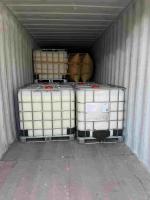



369_small.jpg "nonionic polyacrylamide|non-ionic polyacrylamide/NPAM")
114_small.jpg "CAS:9003-05-8 Nonionic polyacrylamide(flocculant) used for industrial wastewater treatment and textile")
356_small.jpg "OEM manufacturing nonionic polyacrylamide which can replace of magnafloc series")