Our Products
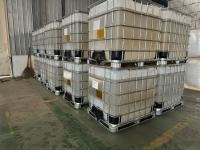
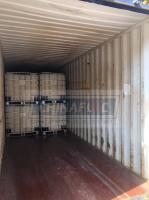
coagulant / polydadmac coagulant for wastewater treatment plant
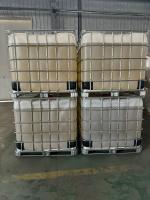



Polydadmac (poly diallyldimethylammonium chloride) is a highly effective cationic organic coagulant widely used in modern wastewater treatment plants. It is a water-soluble quaternary ammonium polymer with strong positive charge density, making it especially suitable for destabilizing negatively charged colloids and suspended solids. In municipal and industrial wastewater treatment systems, Polydadmac is applied in coagulation, clarification, sludge conditioning, and advanced treatment processes to improve overall water quality and process efficiency.
Polydadmac is synthesized through the polymerization of diallyldimethylammonium chloride monomers. The resulting polymer is a linear or slightly branched cationic polyelectrolyte.
Key characteristics include:
These properties make Polydadmac one of the most widely used organic coagulants in modern water treatment.
In wastewater treatment plants (WWTPs), Polydadmac is mainly used in:
Its main function is to destabilize colloidal particles, reduce turbidity, and improve solid-liquid separation efficiency.
Polydadmac removes contaminants through several key mechanisms:
(1) Charge neutralization
Most suspended solids and colloids in wastewater carry negative charges. Polydadmac neutralizes these charges, eliminating electrostatic repulsion and allowing particles to aggregate.
(2) Compression of electric double layer
By increasing ionic strength and surface charge neutralization, it compresses the double layer around particles, promoting destabilization.
(3) Particle aggregation
Once destabilized, particles collide and form microflocs that grow into larger aggregates.
(4) Adsorption and patch flocculation
Polydadmac adsorbs strongly onto particle surfaces, creating positively charged patches that attract negatively charged particles.
Polydadmac is added during rapid mixing in primary clarification to remove:
It significantly improves settling efficiency and reduces load on secondary biological treatment.
In DAF systems, Polydadmac enhances:
It is widely used in food processing, petrochemical, and refinery wastewater treatment.
In biological treatment plants, Polydadmac can be used to:
Used to achieve high-quality effluent standards by removing:
Polydadmac is also widely used for sludge thickening and dewatering:
(1) High coagulation efficiency
Strong cationic charge ensures rapid destabilization of particles.
(2) Fast reaction time
Immediate effect reduces hydraulic retention time requirements.
(3) Effective over wide pH range
Works in acidic, neutral, and alkaline conditions without performance loss.
(4) Low sludge production
Compared to inorganic coagulants, produces less sludge volume.
(5) Versatility across industries
Suitable for municipal and various industrial wastewater types.
(6) Improved effluent quality
Reduces turbidity, suspended solids, and particulate COD effectively.
The dosage of Polydadmac depends on wastewater quality and treatment goals.
Typical dosage ranges:
Key influencing factors include:
Jar testing is essential for optimization.
Polydadmac is often used in combination with other treatment chemicals:
(1) Anionic or nonionic polyacrylamide (PAM):
Improves floc size and settling speed through polymer bridging.
(2) Inorganic coagulants (PAC, alum, ferric chloride):
Enhances coagulation strength and reduces cost.
(3) Lime or pH adjusters:
Optimize conditions for precipitation and coagulation.
This combined approach significantly improves overall treatment performance.
(1) Overdosing risk
Excess Polydadmac can reverse particle charge and reduce treatment efficiency.
(2) Cost compared to inorganic coagulants
More expensive, but often justified by higher efficiency.
(3) Sensitivity to wastewater composition
Performance may vary depending on organic and ionic content.
(4) Need for precise dosing control
Requires monitoring to avoid instability in floc formation.
Polydadmac is widely used in:
It is especially valuable in plants requiring high-efficiency clarification and stable operation.
The use of Polydadmac in wastewater treatment is expected to grow due to:
Future developments will focus on improved charge efficiency, lower dosage requirements, and better performance in complex wastewater streams.
589_small.jpg "the application of polydadmac for pulp and paper white water treatment")