Our Products
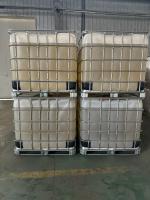
coagulant / polyamine flocculant for coal washing plant water treatment
117_small.jpg "polyamine flocculant for coal washing plant water treatment")



Polyamine flocculant is widely utilized in coal washing plant water treatment due to its strong cationic charge density, rapid coagulation kinetics, and high efficiency in removing fine coal particles, clay minerals, and suspended solids from process water. In coal preparation plants, large volumes of water are used for separation, classification, and cleaning of raw coal. This generates slurry streams containing ultrafine coal, kaolinite, montmorillonite, quartz fines, and other inorganic impurities. Efficient treatment of this wastewater is essential for water recycling, environmental compliance, and recovery of valuable coal fractions.
Coal washing wastewater is typically characterized by high turbidity, elevated suspended solids (SS), variable pH, and stable colloidal systems. Fine particles smaller than 50 μm, especially those below 10 μm, exhibit strong surface charge and hydration, which prevents natural sedimentation. These particles are usually negatively charged due to the presence of silicate and aluminosilicate minerals, making them highly stable in aqueous suspension. Conventional gravity settling is therefore insufficient, and chemical coagulation–flocculation processes are required to achieve effective solid–liquid separation.
Polyamine functions primarily as a cationic coagulant in this system. Its molecular structure contains a high density of protonated amine groups, which impart strong positive charge under typical operating pH conditions (pH 6–9). When dosed into coal washing slurry, polyamine adsorbs onto the surface of negatively charged particles through electrostatic attraction. This adsorption neutralizes the surface charge, compresses the electrical double layer, and destabilizes the colloidal system. As a result, particles lose their repulsive forces and begin to aggregate into microflocs.
The coagulation mechanism of polyamine is dominated by charge neutralization rather than polymer bridging. This is particularly advantageous in coal washing applications where rapid destabilization is required prior to sedimentation or flotation. Once microflocs are formed, a secondary high-molecular-weight flocculant, typically anionic polyacrylamide (APAM), is often added to promote bridging between particles and form larger, denser flocs. This dual-chemical approach significantly enhances settling velocity and improves the clarity of overflow water.
In practical applications, polyamine is typically dosed into the feed of a thickener, clarifier, or sedimentation tank. The dosage range generally varies from 10 to 100 mg/L, depending on slurry concentration, particle size distribution, ash content, and water chemistry. Optimal dosing is determined through laboratory jar testing and on-site trials, as overdosing may lead to charge reversal and restabilization of particles, while underdosing results in incomplete coagulation.
One of the key advantages of polyamine in coal washing water treatment is its ability to significantly improve water clarity and reduce turbidity. Treated water can often achieve turbidity levels below 50 NTU, making it suitable for reuse in the washing circuit. This reduces fresh water consumption and supports closed-loop water management systems, which are increasingly required in modern mining operations due to environmental regulations and water scarcity.
Polyamine also enhances the performance of thickeners by increasing the settling rate of solids and improving underflow density. The formation of compact and dense flocs leads to faster sedimentation and better separation efficiency. This allows for higher throughput and improved operational stability of the thickening equipment. In addition, the clarified overflow water contains fewer suspended solids, reducing wear and scaling in downstream equipment such as pumps and pipelines.
Another important benefit is the improved dewatering characteristics of the sludge or tailings. Polyamine-treated solids tend to form stronger and more porous flocs, which facilitate water release during filtration or centrifugation. This results in lower moisture content in the final cake, reducing transportation and disposal costs. In tailings management, this can contribute to more stable tailings storage and reduced environmental risk.
Compared with inorganic coagulants such as aluminum sulfate or ferric chloride, polyamine offers several operational and environmental advantages. It requires lower dosage, produces less sludge volume, and does not introduce additional metal ions into the system. This is particularly important in coal washing plants where the accumulation of salts can affect water quality and process performance. Furthermore, polyamine is effective over a wide pH range and does not significantly alter the pH of the treated water, reducing the need for pH adjustment.
Polyamine is also effective in treating recycle water containing residual flotation reagents such as collectors, frothers, and dispersants. These chemicals can stabilize fine particles and interfere with sedimentation. Polyamine helps to neutralize the effects of these reagents by destabilizing emulsified and dispersed phases, thereby improving overall water treatment efficiency.
From a chemical selection perspective, the performance of polyamine depends on parameters such as charge density, molecular weight, viscosity, and active content. High charge density products are generally preferred for coal washing applications due to the strongly negative surface charge of mineral particles. Low to medium viscosity grades are easier to handle and ensure accurate dosing. Compatibility with secondary flocculants and process water chemistry must also be evaluated to achieve optimal results.
Operational control is critical for maximizing the effectiveness of polyamine. Proper dosing points, mixing intensity, and retention time must be carefully designed. Rapid mixing is required immediately after dosing to ensure uniform distribution, followed by gentle mixing to allow floc growth. Automated dosing systems with feedback control based on turbidity or solids concentration are often implemented in large-scale plants.
In conclusion, polyamine flocculant is a highly efficient and versatile coagulant for coal washing plant water treatment. Its strong cationic charge enables rapid destabilization of fine coal and mineral particles, leading to improved sedimentation, enhanced water clarity, and efficient sludge dewatering. When used in combination with appropriate flocculants and optimized process conditions, polyamine significantly contributes to water recycling, cost reduction, and environmental compliance in coal preparation operations.
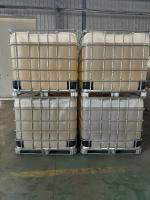
998_small.jpg "China polyamine manufacturer|polyamine(20-50%) suppliers")