

Our Products

coagulant / polyamine coagulant for high COD wastewater treatment
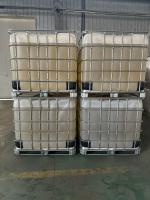
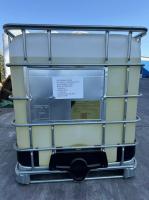
Polyamine is a highly effective cationic organic coagulant widely used in the treatment of high COD (Chemical Oxygen Demand) wastewater. High COD wastewater is typically characterized by a large amount of dissolved and colloidal organic pollutants that are difficult to remove using simple sedimentation or biological treatment alone. Industries such as textiles, paper mills, petrochemicals, food processing, dye manufacturing, and landfill leachate generation all produce wastewater with high COD levels. Polyamine plays an important role in reducing COD by destabilizing colloids, removing organic particles, and improving solid-liquid separation efficiency.
1. Characteristics of high COD wastewater
High COD wastewater contains a large concentration of oxidizable organic compounds, including:
- Dissolved organic matter (proteins, sugars, starches)
- Colloidal organic particles
- Oils and grease
- Synthetic chemicals (dyes, surfactants, solvents)
- Refractory organics (phenols, aromatics, lignin derivatives)
These substances are often stable in water due to surface charge and molecular structure, making them resistant to natural settling and biological degradation. As a result, chemical coagulation is often required as a pretreatment step.
2. Properties of polyamine for COD removal
Polyamine is synthesized from amine-based monomers such as dimethylamine and epichlorohydrin, forming a water-soluble cationic polymer with strong charge density.
Key properties include:
- High cationic charge density: Strong ability to neutralize negatively charged organic colloids
- Fast reaction speed: Rapid destabilization of organic particles
- Good solubility: Ensures uniform distribution in wastewater
- Wide pH adaptability: Effective in pH 4–10 range
- Low sludge volume compared to inorganic coagulants
These properties make polyamine particularly suitable for high COD wastewater pre-treatment and partial COD reduction.
3. Mechanism of COD reduction
Polyamine reduces COD through multiple mechanisms:
(1) Charge neutralization of organic colloids
Many COD-contributing substances are present as negatively charged colloids. Polyamine neutralizes these charges, allowing particles to aggregate and be removed.
(2) Adsorption of dissolved organics
Polyamine can adsorb certain dissolved organic molecules, especially those with anionic functional groups, forming complexes that precipitate.
(3) Floc formation and entrapment
Once destabilized, organic particles form flocs that trap additional dissolved and colloidal organic matter.
(4) Oil and grease removal support
Polyamine helps break emulsions and remove oil droplets that contribute significantly to COD.
4. Application process in wastewater treatment systems
Polyamine is typically used as a pretreatment or primary treatment chemical in high COD systems:
(1) Equalization tank
Wastewater is homogenized to stabilize COD concentration and flow variations.
(2) pH adjustment
Optimal pH is adjusted depending on wastewater type (usually 6–9 for best coagulation efficiency).
(3) Rapid mixing (coagulation stage)
Polyamine is dosed into the rapid mixing tank where it immediately interacts with organic pollutants, destabilizing colloids and initiating floc formation.
(4) Flocculation stage
Gentle mixing allows microflocs to grow into larger aggregates, improving separation efficiency.
(5) Solid-liquid separation
Flocs are removed by sedimentation, dissolved air flotation (DAF), or clarifiers.
(6) Biological or advanced treatment
After coagulation, residual dissolved COD is further treated by biological processes or advanced oxidation systems.
5. Applications in different high COD industries
(1) Textile wastewater
Removes dye residues, surfactants, and organic additives, significantly reducing COD and color.
(2) Paper and pulp wastewater
Removes lignin, cellulose fibers, and dissolved organic compounds.
(3) Food processing wastewater
Effective in removing proteins, fats, starches, and sugars.
(4) Petrochemical wastewater
Helps reduce emulsified oils, hydrocarbons, and aromatic compounds.
(5) Landfill leachate
Assists in removing humic substances and refractory organic matter.
6. Advantages of polyamine in high COD treatment
(1) Significant COD reduction (primary stage)
Polyamine can remove a large portion of particulate and colloidal COD before biological treatment.
(2) Improved biodegradability
By removing toxic or refractory compounds, it enhances downstream biological treatment efficiency.
(3) Fast reaction time
Rapid coagulation reduces hydraulic retention time requirements.
(4) Lower sludge volume
Compared with inorganic coagulants, it produces more compact sludge.
(5) Flexible application
Works across a wide range of industrial wastewater types.
7. Dosage and influencing factors
The optimal dosage depends on wastewater composition and COD concentration.
Typical dosage range:
- 10–100 mg/L for moderate COD wastewater
- 50–300 mg/L for high-strength industrial wastewater
Key influencing factors include:
- Type of organic pollutants
- COD concentration level
- Presence of surfactants or emulsified oils
- pH and temperature
- Mixing intensity
Jar testing is essential for optimizing dosage.
8. Combination with other treatment methods
Polyamine is often used in combination with other treatment processes:
(1) Cationic polyacrylamide (CPAM):
Enhances floc size and improves settling or flotation efficiency.
(2) Inorganic coagulants (PAC, ferric salts):
Improve removal of suspended solids and reduce cost.
(3) Advanced oxidation processes (AOPs):
Polyamine removes bulk COD first, while AOPs degrade remaining refractory organics.
(4) Biological treatment systems:
Pre-coagulation improves biodegradability and reduces toxicity.
9. Limitations and considerations
(1) Overdosing risk
Excess polyamine can cause restabilization of colloids and reduce COD removal efficiency.
(2) Limited removal of dissolved COD
Polyamine is more effective on colloidal and particulate COD than fully dissolved organics.
(3) Wastewater variability
Different industrial streams require tailored dosing strategies.
(4) Cost considerations
More expensive than traditional inorganic coagulants, though often more efficient.
10. Operational best practices
To maximize performance:
- Conduct jar tests regularly
- Adjust dosage according to seasonal COD changes
- Maintain proper rapid and slow mixing conditions
- Combine with flocculants when necessary
- Monitor COD reduction at each treatment stage
11. Future trends
The application of polyamine in high COD wastewater treatment is expected to expand due to:
- Stricter discharge regulations
- Increased demand for water reuse
- Development of hybrid polymer systems
- Integration with membrane and advanced oxidation technologies
Future formulations will focus on higher selectivity, lower dosage, and improved performance for complex organic pollutants.
Conclusion
Polyamine is an effective coagulant for high COD wastewater treatment due to its strong charge neutralization capability, rapid floc formation, and broad applicability across industrial effluents. It significantly reduces particulate and colloidal COD, improves wastewater biodegradability, and enhances overall treatment efficiency. When properly optimized and combined with complementary treatment processes, polyamine provides a reliable and cost-effective solution for managing high-strength organic wastewater in modern industrial systems.
252_small.jpg "high viscosity polyamine for sludge conditioning")
183_small.jpg "polyamine flocculant for turbidity and suspended solids removal")