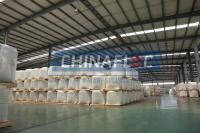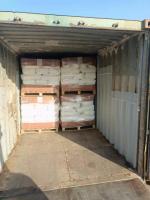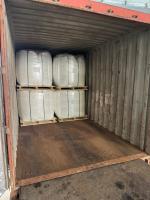


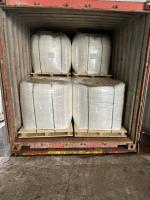
Anionic polyacrylamide used for geological exploration drilling fluid is an important polymer additive designed to improve drilling efficiency, borehole stability, cuttings transport, and fluid-loss control. In geological exploration—such as mineral prospecting, coal exploration, oil and gas evaluation drilling, geothermal investigation, and hydrological survey wells—drilling fluids must perform reliably under varying lithology, temperature, and water chemistry conditions. Anionic polyacrylamide plays a critical role in optimizing the physical and rheological properties of drilling fluids to ensure smooth and cost-effective operations.
Anionic polyacrylamide is a high-molecular-weight water-soluble polymer produced by copolymerizing acrylamide with acrylic acid or partially hydrolyzing polyacrylamide. Its negatively charged carboxyl groups provide strong hydration and adsorption properties. When applied in geological exploration drilling fluid systems, anionic polyacrylamide acts primarily as a viscosity modifier, shale inhibitor, encapsulation agent, and fluid-loss reducer.
One of the primary applications of anionic polyacrylamide in geological exploration drilling fluid is viscosity control and cuttings suspension. During drilling, rock fragments generated by the drill bit must be transported efficiently to the surface. If cuttings are not adequately suspended, they may settle at the bottom of the hole, causing pipe sticking, increased torque, or even well collapse. Anionic polyacrylamide increases the viscosity of water-based drilling fluids, improving carrying capacity and ensuring that drilled solids are lifted out of the borehole. Its long polymer chains create a network structure in the fluid, enhancing suspension properties without requiring excessive solid additives.
Another important application of anionic polyacrylamide in geological exploration drilling fluid is borehole wall stabilization and shale inhibition. Many geological formations contain clay minerals such as montmorillonite, illite, and kaolinite, which tend to swell or disperse when exposed to water. This swelling can destabilize the borehole, leading to enlargement, sloughing, or collapse. Anionic polyacrylamide adsorbs onto clay surfaces, forming a protective polymer film that reduces hydration and dispersion. This encapsulation effect strengthens the wellbore wall and minimizes formation damage. In coal exploration drilling, where soft formations are common, anionic polyacrylamide significantly improves borehole integrity.
Fluid-loss control is another key function of anionic polyacrylamide in geological exploration drilling fluid systems. During drilling, fluid may penetrate permeable formations, causing excessive filtrate loss and reducing drilling efficiency. Anionic polyacrylamide reduces permeability by forming a thin, low-permeability filter cake on the borehole wall. This minimizes fluid invasion, protects productive formations, and maintains hydrostatic pressure balance. The improved filter cake quality also reduces differential sticking risks.
In diamond core drilling and wireline coring, which are common in mineral exploration, maintaining core integrity is essential for accurate geological evaluation. Anionic polyacrylamide enhances lubrication and reduces friction between the drill string and borehole wall, decreasing mechanical wear and energy consumption. At the same time, its encapsulation and viscosity properties help preserve core samples by preventing excessive washout or erosion. This results in better core recovery rates and more accurate geological data.
Anionic polyacrylamide is also widely used in water-based polymer mud systems for geological exploration. Compared with traditional bentonite-based muds, polymer drilling fluids containing anionic polyacrylamide offer several advantages. They typically require lower solids content, produce thinner filter cakes, and provide better penetration rates due to reduced formation damage. In environmentally sensitive exploration areas, polymer-based fluids are preferred because they generate less waste and are easier to treat and recycle.
In deep geological exploration wells, temperature and salinity may vary significantly. Modified anionic polyacrylamide formulations can be selected to maintain stability under moderate high-temperature or saline conditions. Proper selection ensures that the polymer maintains viscosity and inhibition performance throughout the drilling process. This is particularly important in geothermal exploration or in regions with saline groundwater.
Environmental protection is another reason why anionic polyacrylamide is widely used in geological exploration drilling fluid systems. Modern exploration projects often operate under strict environmental regulations. Anionic polyacrylamide is generally considered low in toxicity when properly manufactured and handled. It helps reduce the total solids content in drilling fluids, leading to easier wastewater treatment and disposal. After drilling, residual solids can be flocculated and settled efficiently, simplifying site cleanup.
Operationally, anionic polyacrylamide is typically added in low concentrations, often ranging from 0.1 to 0.5% depending on formation conditions and fluid design. Proper hydration is essential to achieve maximum performance. The polymer should be slowly added to water under continuous agitation to prevent lump formation. Once fully dissolved, it provides stable viscosity and inhibition properties. Overdosing should be avoided, as excessive viscosity may reduce drilling penetration rate or complicate solids control.
In summary, anionic polyacrylamide used for geological exploration drilling fluid serves multiple essential functions: improving viscosity and cuttings transport, stabilizing borehole walls, inhibiting clay swelling, controlling fluid loss, enhancing lubrication, protecting core samples, and supporting environmentally responsible operations. Its adaptability to different formations, cost-effectiveness, and performance reliability make anionic polyacrylamide an indispensable additive in modern geological exploration drilling activities.