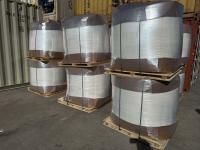
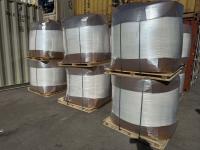
Anionic polyacrylamide ZETAG 4125 DK is a high-molecular-weight, granular anionic flocculant used extensively across industries that require efficient solid–liquid separation, sludge management, wastewater clarification, and process water recycling. Because of its optimized anionic charge density and long polymer chains, anionic polyacrylamide ZETAG 4125 DK provides excellent flocculation performance in systems containing fine mineral particles, organic solids, clay suspensions, industrial sludge, and wastewater contaminants. Its primary applications focus on enhancing settling, improving filtration, increasing thickener efficiency, and reducing turbidity in treated water.
The most significant application of anionic polyacrylamide ZETAG 4125 DK is in mining and mineral processing, where large volumes of slurry must be clarified or dewatered. Mining tailings often include ultra-fine particles that settle very slowly—such as quartz fines, clay, silts, iron ore fines, phosphate slimes, bauxite residues, and coal washing tailings. Anionic polyacrylamide ZETAG 4125 DK works by adsorbing onto the surface of suspended solids and forming strong polymer bridges, which bind particles into large, dense flocs. These flocs settle rapidly in thickeners, clarifiers, and sedimentation tanks. As a result, operations experience increased overflow clarity, significantly improved underflow density, and more efficient water recovery. This is critical for mines where water conservation and tailings stability are major operational priorities.
Another major field of application for anionic polyacrylamide ZETAG 4125 DK is industrial wastewater treatment. Many industries—including petrochemical, textile, food processing, metal finishing, fertilizer manufacturing, pulp and paper, power plants, and mechanical workshops—discharge wastewater containing high levels of suspended solids, oily residues, pigments, organic materials, or inorganic fines. Anionic polyacrylamide ZETAG 4125 DK, when used after primary coagulation with PAC, alum, ferric chloride, or polyferric sulfate, dramatically enhances floc formation and accelerates sedimentation. It effectively reduces turbidity, improves sludge settleability, and increases the removal efficiency of suspended impurities. In dissolved air flotation (DAF) systems, ZETAG 4125 DK helps agglomerate particles so that air bubbles can more easily attach to the flocs, resulting in faster flotation and better separation performance.
A third major application of anionic polyacrylamide ZETAG 4125 DK is in municipal wastewater treatment, especially in secondary clarification and sludge thickening. Waste activated sludge and primary sludge from municipal treatment plants often contain fine biological solids that settle poorly. Anionic polyacrylamide ZETAG 4125 DK promotes the agglomeration of microbial flocs, enabling them to settle quickly in secondary clarifiers. This reduces sludge blanket carryover, ensures consistent effluent quality, and stabilizes clarifier operation. In sludge dewatering applications such as belt filter presses, screw presses, and decanter centrifuges, ZETAG 4125 DK strengthens flocs and improves free-water release, resulting in drier cake solids with lower moisture content. This directly reduces sludge hauling and disposal costs.
In drinking water treatment plants, anionic polyacrylamide ZETAG 4125 DK is applied as a flocculant to remove clay, silt, and colloidal solids from raw water. After initial coagulation, the polymer helps form large, robust flocs that settle in sedimentation basins. The result is clearer filtrate entering sand filters or membrane systems, reducing backwash frequency and increasing overall treatment efficiency. The high purity and low residual monomer level of ZETAG 4125 DK make it suitable for potable water applications where safety and compliance are essential.
The paper and pulp industry also uses anionic polyacrylamide ZETAG 4125 DK for both process enhancement and effluent treatment. In paper mills, the polymer improves fines retention, filler retention, and drainage performance on paper machines. By strengthening fiber–filler interaction, anionic polyacrylamide ZETAG 4125 DK helps reduce material losses and enhances sheet formation. In mill effluent treatment, it accelerates settling of fibrous solids and reduces the load on clarifiers and sludge dewatering equipment.
In the construction and tunneling industry, anionic polyacrylamide ZETAG 4125 DK is used for treating slurry generated from piling, drilling, and excavation activities. Bentonite slurries, clay suspensions, and drilling mud often require rapid clarification before discharge or recycling. ZETAG 4125 DK helps remove fines, improves sludge settlement, and ensures compliance with environmental discharge regulations. It is also used in shotcrete return water, tunnel boring machine (TBM) slurry management, and trenching fluid recycling systems.
The polymer also finds application in oil and gas drilling wastewater, particularly in the treatment of produced water, drilling mud, and completion fluids. These fluids contain fine solids, barite, bentonite, polymers, emulsified oils, and cuttings. Anionic polyacrylamide ZETAG 4125 DK promotes rapid solid–liquid separation, allowing drilling operations to maintain cleaner fluids, reduce disposal volume, and improve overall drilling performance.
Across all industries, the central benefits of anionic polyacrylamide ZETAG 4125 DK include improved settling velocity, enhanced floc strength, reduced sludge volume, better dewatering efficiency, lower turbidity, and more stable treatment processes. Its high efficiency allows for lower polymer dosage compared with conventional flocculants, reducing operational costs while ensuring superior clarity and process consistency.

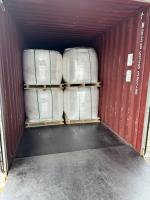


813_small.jpg "Anionic polyacrylamide(Chinafloc A3027)used for cement concret")