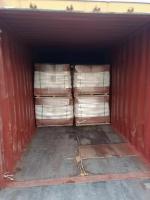
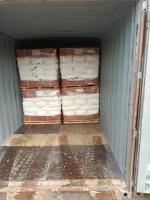
Polyfloc AE1125 is a high-performance anionic polyacrylamide flocculant widely used for solid–liquid separation in many industrial and environmental treatment processes. Anionic polyacrylamide polymers carry negatively charged functional groups along the polymer chain, which allows them to effectively aggregate suspended particles through mechanisms such as polymer bridging and adsorption. Because of its strong flocculation ability, Polyfloc AE1125 is commonly used in wastewater treatment, mining, mineral processing, and other industries where clarification and sedimentation are required.
Anionic flocculants like Polyfloc AE1125 are especially effective when treating suspensions containing inorganic particles or positively charged colloids, such as clay, metal hydroxides, and mineral fines. The polymer forms large, dense flocs that settle quickly, significantly improving clarification efficiency and reducing sludge volume.
1. Municipal and Industrial Wastewater Treatment
One of the most important applications of Polyfloc AE1125 is in industrial and municipal wastewater treatment systems. Wastewater from many industrial processes contains suspended solids, fine particles, and colloidal materials that are difficult to remove through simple sedimentation.
When Polyfloc AE1125 is added to wastewater, it promotes the aggregation of small suspended particles into larger flocs. These flocs settle rapidly in clarifiers or sedimentation tanks, producing clear effluent water. In many treatment plants, the flocculant is used together with inorganic coagulants such as aluminum salts or iron salts to enhance treatment efficiency.
Typical wastewater sources treated with anionic flocculants include:
-
Textile industry wastewater
-
Chemical manufacturing wastewater
-
Metallurgical wastewater
-
Construction and cement plant wastewater
-
Sand washing wastewater
By improving the removal of suspended solids, Polyfloc AE1125 helps treatment facilities meet environmental discharge standards and reduces the load on downstream filtration systems.
2. Mining and Mineral Processing
Mining operations generate large volumes of slurry containing fine mineral particles that must be separated from water. Polyfloc AE1125 plays an important role in mineral processing and tailings management, where it is used to accelerate sedimentation and improve water recovery.
In mineral processing plants, finely ground ores are suspended in water during flotation, classification, and washing processes. After these operations, the slurry must be clarified to recover water and concentrate the solid particles. Polyfloc AE1125 is added to thickeners or settling tanks to promote rapid settling of mineral solids.
Common mining applications include:
-
Coal washing plants
-
Iron ore beneficiation
-
Copper and lead-zinc ore processing
-
Bauxite and alumina production
-
Gold mining tailings treatment
By forming strong flocs, Polyfloc AE1125 increases the settling rate of mineral particles and improves thickener performance. This leads to higher throughput, better water recycling, and reduced environmental impact from tailings disposal.
3. Drinking Water Clarification
Anionic flocculants are also used in drinking water treatment plants to remove suspended solids and turbidity from raw water sources such as rivers, lakes, and reservoirs. Although coagulants like aluminum sulfate are typically the primary chemicals used in water treatment, flocculants such as Polyfloc AE1125 can be added as coagulant aids to enhance floc formation.
When used in drinking water treatment, the polymer improves the aggregation of fine particles and increases the size and strength of flocs. This allows them to settle more quickly in sedimentation basins or be removed more effectively during filtration.
The benefits of using Polyfloc AE1125 in water clarification include:
-
Faster sedimentation rates
-
Reduced turbidity levels
-
Lower dosage of inorganic coagulants
-
Improved filter performance
These advantages make anionic polyacrylamide flocculants valuable tools in maintaining stable drinking water quality.
4. Sand and Gravel Washing
In the sand and aggregates industry, large quantities of water are used to wash sand, gravel, and crushed stone to remove clay and fine particles. The resulting wash water contains high levels of suspended solids and must be treated before it can be reused or discharged.
Polyfloc AE1125 is frequently used in sand washing plants to clarify the wash water and recover fine particles. When the flocculant is added to settling ponds or thickeners, it aggregates the fine clay particles into large flocs that settle rapidly. This process allows the water to be recycled back into the washing system, reducing freshwater consumption and improving environmental compliance.
In addition, the settled solids can be dewatered more efficiently, producing a more manageable sludge for disposal or reuse.
5. Paper and Pulp Industry
The pulp and paper industry generates wastewater containing fibers, fillers, and other suspended materials. Anionic flocculants such as Polyfloc AE1125 are used to improve the removal of these solids from process water and wastewater streams.
Applications in the paper industry include:
-
White water clarification
-
Fiber recovery systems
-
Effluent treatment plants
-
Paper mill sludge thickening
By promoting the aggregation of fine fibers and fillers, Polyfloc AE1125 helps paper mills recover valuable materials and reduce the amount of solids discharged in wastewater.
6. Metallurgical and Steel Industry
Metallurgical operations, including steel manufacturing and metal finishing, often produce wastewater containing metal hydroxides, scale particles, and other suspended solids. Polyfloc AE1125 is widely used to treat these waste streams by enhancing sedimentation and clarification.
In these applications, the flocculant works in conjunction with coagulants to form large flocs that settle rapidly in clarifiers. This improves the removal of suspended solids and helps reduce the concentration of contaminants in treated water.
7. Soil Stabilization and Erosion Control
Another important application of anionic polyacrylamide flocculants is soil stabilization and erosion control. Polyfloc AE1125 can be used to improve soil structure and reduce the loss of fine particles during rainfall or irrigation.
When applied to soil or irrigation water, the polymer binds soil particles together, forming stable aggregates. This reduces erosion, improves water infiltration, and minimizes sediment runoff into nearby water bodies.