

Our Products

Polyacrylamide / Cationic polyacrylamide ZETAG 8139 DL can be replaced by Chinafloc C3012
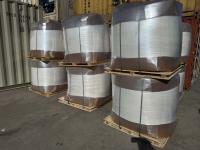
Application of Cationic Polyacrylamide ZETAG 8139 DL
ZETAG 8139 DL is a high-performance cationic polyacrylamide (CPAM) emulsion flocculant developed for advanced solid–liquid separation, sludge dewatering, and wastewater clarification. It is characterized by high molecular weight and medium-to-high cationic charge density, offering strong charge neutralization, excellent polymer bridging capability, and rapid floc formation. The liquid emulsion format ensures fast dissolution, easy handling, and stable performance, making ZETAG 8139 DL widely used in municipal wastewater treatment, industrial effluent processing, papermaking, food processing, mining, and oilfield water treatment.
1. Municipal Wastewater Treatment
One of the most important applications of ZETAG 8139 DL is in municipal sewage and sludge treatment systems. Urban wastewater contains large quantities of negatively charged organic matter, colloidal particles, bacteria, and fine suspended solids that do not readily settle without chemical conditioning. ZETAG 8139 DL efficiently neutralizes these surface charges and produces large, dense flocs through polymer bridging, significantly improving sedimentation efficiency.
In primary and secondary clarification, ZETAG 8139 DL enhances:
-
Removal of total suspended solids (TSS)
-
Reduction of turbidity and organic carryover
-
Settling velocity in clarifiers
-
Stability of biological treatment systems
In sludge conditioning, ZETAG 8139 DL is dosed ahead of belt filter presses, centrifuges, screw presses, and plate-and-frame filter presses. It breaks the hydration layer around sludge particles and releases bound water, which leads to thicker flocs with superior filtration characteristics. As a result, sludge cake dryness increases, sludge volume is reduced, and transportation and disposal costs decrease significantly.
2. Industrial Wastewater Treatment
ZETAG 8139 DL is widely applied in the treatment of wastewater from textile and dyeing, chemical, pharmaceutical, electroplating, leather, metallurgical, and food processing industries, where wastewater often contains complex mixtures of dyes, oils, polymers, fine solids, and heavy metals.
Textile and Dyeing Industry
Textile wastewater contains high concentrations of reactive dyes, pigments, surfactants, and fine fibers. These components are difficult to remove through natural sedimentation. ZETAG 8139 DL strongly binds with anionic dyes and fiber fines, producing fast, compact flocs and delivering excellent color and turbidity removal. The treated effluent has improved transparency and reduced COD loading for downstream biological systems.
Electroplating and Metal Processing
Electroplating wastewater contains dissolved heavy metals such as nickel, chromium, copper, and zinc. After chemical precipitation, ZETAG 8139 DL enhances the aggregation and settling of fine metal hydroxide particles. This significantly improves filtration performance and reduces residual metal content in discharged water, helping companies comply with strict environmental regulations.
Chemical and Pharmaceutical Industry
Wastewater from chemical and pharmaceutical plants often contains fine organic particles, emulsified matter, and colloidal impurities. ZETAG 8139 DL improves solid–liquid separation efficiency, stabilizes treatment processes, and reduces the toxic and organic load entering biological treatment units.
3. Sludge Dewatering and Conditioning
Sludge dewatering is one of the most valuable application areas for ZETAG 8139 DL. Activated sludge and industrial mixed sludge contain large amounts of bound water held by negatively charged organic compounds. Without effective conditioning, mechanical dewatering efficiency remains limited.
ZETAG 8139 DL functions through:
-
Charge neutralization of sludge particles
-
Destruction of the hydration shell
-
Formation of dense, shear-resistant flocs
These mechanisms lead to:
-
Faster filtration and centrifugation rates
-
Higher dry solids content in the sludge cake
-
Lower polymer consumption per ton of dry sludge
-
Increased throughput of dewatering equipment
ZETAG 8139 DL performs reliably with a variety of sludge types, including activated sludge, biological sludge, oily sludge, and mixed industrial sludge.
4. Papermaking and Pulp Industry
The papermaking industry is one of the largest consumers of cationic polyacrylamides. ZETAG 8139 DL is widely used as:
-
A retention aid
-
A drainage aid
-
A papermaking sludge dewatering agent
During paper formation, large amounts of fine fibers, fillers such as calcium carbonate and kaolin clay, and sizing agents tend to escape with white water. ZETAG 8139 DL significantly improves first-pass retention, enhances drainage speed on the wire section, and contributes to improved paper strength, formation uniformity, and surface quality. Higher retention also leads to reduced raw material losses and lower pollutant loading in papermaking wastewater.
In paper mill sludge treatment, ZETAG 8139 DL enhances sludge thickening performance, improves dewatering efficiency, and reduces the energy demand for thermal drying and disposal.
5. Food and Beverage Industry
Wastewater from the brewery, dairy, sugar, beverage, starch, and meat processing industries is characterized by high concentrations of suspended solids, fats, oils, proteins, and carbohydrates. ZETAG 8139 DL efficiently aggregates these pollutants into easily removable flocs.
In dissolved air flotation (DAF) systems, ZETAG 8139 DL is often used in combination with inorganic coagulants such as polyaluminum chloride (PAC) or aluminum sulfate. This combination improves flotation efficiency, enhances scum formation, and enables the production of clear effluent suitable for biological treatment or safe discharge.
6. Mining and Mineral Processing
In mining operations, ZETAG 8139 DL is applied in:
-
Tailings thickening
-
Mineral slurry clarification
-
Process water recycling
Fine mineral particles possess strong negative surface charges and remain suspended for long periods without chemical assistance. ZETAG 8139 DL rapidly aggregates these particles, producing high-density underflow and clear overflow water suitable for reuse. This reduces freshwater consumption, improves tailings management, and enhances environmental protection at mining sites.
7. Oilfield and Drilling Wastewater
In oil and gas production, ZETAG 8139 DL is used to treat:
-
Produced water
-
Drilling fluid wastewater
-
Refinery oily wastewater
It effectively removes fine suspended solids, clay particles, polymer residues, and emulsified oil droplets. This improves oil–water separation efficiency, ensures stable operation of downstream treatment units, and allows treated water to meet reuse or discharge standards.
8. Key Advantages of ZETAG 8139 DL
ZETAG 8139 DL offers several technical and economic advantages:
-
High flocculation efficiency at low dosage
-
Rapid dissolution and easy handling
-
Strong, compact, and fast-settling flocs
-
Excellent sludge dewatering performance
-
Wide adaptability across different wastewater types and pH ranges
-
Good compatibility with inorganic coagulants and flotation systems
-
Reduced operating and sludge disposal costs
Conclusion
ZETAG 8139 DL is a versatile and highly efficient cationic polyacrylamide emulsion flocculant with outstanding performance in municipal wastewater treatment, industrial effluent clarification, sludge dewatering, papermaking, food processing, mining, and oilfield water treatment. Its strong charge neutralization capacity, high molecular weight polymer structure, and excellent water-release characteristics enable it to significantly improve treatment efficiency, reduce chemical consumption, and lower overall operating costs. With increasingly strict environmental regulations and growing demand for sustainable water management, ZETAG 8139 DL remains a reliable and cost-effective solution for modern wastewater and sludge treatment systems.