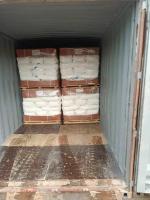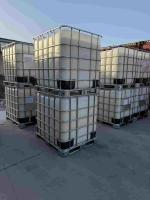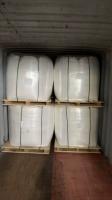


Our Products

Polyacrylamide / Anionic polyacrylamide emulsion FLOPAM EM532 can be replaced by Chinafloc Em2007

FLOPAM EM532 is a high-performance anionic polyacrylamide (APAM) emulsion widely used in industrial water treatment, sludge dewatering, mining, mineral processing, paper manufacturing, and various solid-liquid separation processes. As an anionic flocculant, FLOPAM EM532 contains negatively charged functional groups along a high molecular weight polymer chain. This structure allows it to effectively aggregate suspended particles through adsorption and bridging mechanisms, forming large flocs that settle or filter easily.
Compared with conventional powder polyacrylamides, the emulsion form of FLOPAM EM532 offers several advantages, including rapid inversion, fast dissolution, simplified preparation, and easier automated dosing. These characteristics make it particularly suitable for large-scale industrial operations where consistent performance and operational efficiency are essential.
The primary function of FLOPAM EM532 is to improve separation between solids and liquids, enhance water recovery, reduce sludge volume, and lower overall treatment costs. Its versatility has made it one of the most widely used flocculants across multiple industries.
Municipal Wastewater Treatment
One of the most important applications of FLOPAM EM532 is municipal wastewater treatment.
Municipal sewage contains suspended solids, organic matter, microorganisms, and colloidal particles that must be removed before treated water can be discharged or reused. FLOPAM EM532 promotes the formation of larger and denser flocs, improving sedimentation efficiency in clarification systems.
Primary Sedimentation
During primary treatment, the polymer enhances the settling of suspended solids and organic particles. This results in:
- Reduced turbidity
- Improved suspended solids removal
- Enhanced clarification performance
- Lower loading on downstream biological treatment processes
Secondary Clarification
In activated sludge systems, FLOPAM EM532 improves the separation of biological sludge from treated water. Better settling characteristics lead to cleaner effluent and improved plant operation.
Tertiary Treatment
The polymer may also be used in advanced treatment stages where very fine particles must be removed to achieve stringent discharge requirements.
Sludge Thickening and Dewatering
Sludge treatment represents one of the largest application areas for FLOPAM EM532.
Wastewater treatment plants generate significant quantities of sludge containing high percentages of water. Efficient dewatering reduces transportation, handling, and disposal costs.
FLOPAM EM532 improves sludge conditioning by:
- Aggregating fine sludge particles
- Releasing bound water
- Increasing filtration rates
- Improving cake solids content
The product is commonly used in:
- Belt filter presses
- Centrifuges
- Screw presses
- Plate-and-frame filter presses
- Rotary drum thickeners
Benefits include:
- Higher dewatering efficiency
- Reduced sludge volume
- Lower disposal costs
- Increased equipment throughput
- Improved operational stability
The strong bridging capability of the polymer produces durable flocs that can withstand mechanical stress during dewatering.
Industrial Wastewater Treatment
Many industrial processes generate wastewater containing suspended solids, oils, pigments, metal hydroxides, and other contaminants.
FLOPAM EM532 is widely used in industrial wastewater treatment systems because of its excellent flocculation performance.
Chemical Industry
Chemical manufacturing facilities produce wastewater with complex compositions. FLOPAM EM532 assists in:
- Clarification
- Solids removal
- Filtration improvement
- Water recycling
Textile Industry
Textile and dyeing operations generate wastewater containing dyes, fibers, pigments, and chemical additives.
The polymer helps achieve:
- Improved color removal
- Faster settling
- Enhanced sludge dewatering
- Better effluent quality
Food and Beverage Processing
Food processing wastewater often contains organic solids, starches, fats, and proteins.
FLOPAM EM532 helps separate suspended materials, reducing treatment costs and improving wastewater quality.
Metal Processing Industry
Metal finishing facilities generate wastewater containing metal hydroxides and fine suspended particles.
The polymer improves:
- Settling performance
- Clarifier efficiency
- Filtration rates
- Sludge handling
Mining and Mineral Processing
Mining is one of the most significant application sectors for FLOPAM EM532.
Large volumes of slurry generated during mining and mineral processing require efficient solid-liquid separation.
Tailings Thickening
FLOPAM EM532 is extensively used in mining thickeners to accelerate sedimentation of fine mineral particles.
Applications include:
- Copper mining
- Gold mining
- Iron ore processing
- Coal preparation
- Phosphate production
- Bauxite processing
Benefits include:
- Faster settling rates
- Improved overflow clarity
- Increased thickener capacity
- Enhanced water recovery
Tailings Management
The polymer helps reduce the volume of tailings slurry and supports more efficient tailings storage operations.
Concentrate Dewatering
FLOPAM EM532 improves filtration performance and reduces moisture content in mineral concentrates, improving transportation and handling efficiency.
Sand Washing and Aggregate Industry
Sand washing operations generate wastewater containing large quantities of fine silica particles and clay.
FLOPAM EM532 is widely used for:
- Clarification of wash water
- Recovery of fine particles
- Thickening of slurry
- Water recycling
Benefits include:
- Reduced freshwater consumption
- Improved product recovery
- Smaller settling pond requirements
- Lower environmental impact
The polymer effectively flocculates extremely fine particles that would otherwise remain suspended for long periods.
Paper and Pulp Industry
The paper industry uses FLOPAM EM532 to improve both production efficiency and wastewater treatment performance.
Retention Aid
The polymer improves retention of:
- Cellulose fibers
- Fillers
- Pigments
- Fine particles
This reduces raw material losses and improves paper quality.
White Water Treatment
Paper mills recycle large quantities of process water known as white water.
FLOPAM EM532 improves:
- Fiber recovery
- Water clarification
- Process efficiency
Wastewater Treatment
The polymer is also used to treat paper mill effluent and improve sludge dewatering performance.
Oil and Gas Industry
FLOPAM EM532 plays an important role in oilfield water management.
Produced Water Treatment
Produced water often contains:
- Suspended solids
- Fine oil droplets
- Scale particles
- Corrosion products
The polymer promotes floc formation and improves solid-liquid separation.
Refinery Wastewater Treatment
Refineries use FLOPAM EM532 to improve wastewater clarification and reduce suspended solids before discharge or reuse.
Drilling Waste Treatment
The product may also be used in the treatment of drilling waste streams and drilling fluid recycling systems.
Construction and Civil Engineering
Construction projects frequently generate slurry and wastewater requiring treatment.
FLOPAM EM532 is applied in:
Tunneling Operations
- Slurry treatment
- Water clarification
- Recycling systems
Foundation Drilling
The polymer improves separation of drilling solids and enhances water reuse.
Concrete Production
Wastewater from concrete plants can be clarified using FLOPAM EM532, reducing environmental impact and improving water management.
Environmental Protection and Remediation
Environmental projects often involve treatment of contaminated water and sediments.
FLOPAM EM532 is used in:
- Dredging operations
- Sediment dewatering
- Stormwater treatment
- Site remediation
- Industrial cleanup projects
The polymer enhances particle removal and improves overall treatment efficiency.
Advantages of FLOPAM EM532
Several characteristics contribute to the popularity of FLOPAM EM532:
High Molecular Weight
Provides excellent bridging capability and strong floc formation.
Emulsion Technology
Offers:
- Fast dissolution
- Easy handling
- Reduced preparation time
- Consistent performance
Excellent Settling Performance
Produces large, dense flocs that settle rapidly.
Improved Water Recovery
Particularly valuable in mining, sand washing, and industrial recycling systems.
Reduced Chemical Consumption
Efficient flocculation often allows lower dosage requirements compared with alternative treatment methods.
Broad Applicability
Suitable for a wide range of industrial and municipal applications.
Conclusion
FLOPAM EM532 anionic polyacrylamide emulsion is a versatile and highly effective flocculant used in municipal wastewater treatment, sludge dewatering, industrial effluent treatment, mining, mineral processing, sand washing, paper manufacturing, oilfield operations, construction projects, and environmental remediation. Its high molecular weight and anionic charge provide outstanding flocculation and solid-liquid separation performance.
By improving settling rates, enhancing water clarity, increasing water recovery, reducing sludge volume, and lowering operating costs, FLOPAM EM532 helps industries achieve both economic and environmental objectives. Its ease of use, rapid dissolution, and reliable performance make it a preferred solution for modern water treatment and industrial processing applications worldwide.