

Our Products

Polyacrylamide / what is the application of anionic polyarylamide used for dust suppression, erosion and sediment control
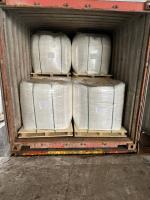
Anionic polyacrylamide (APAM) is a high-molecular-weight, water-soluble polymer widely used as an environmentally compatible soil-conditioning agent for dust suppression, erosion control, and sediment control. Unlike cationic polyacrylamide, anionic polyacrylamide has a negative charge that makes it suitable for contact with natural soils and surface water under recommended use conditions. APAM works by binding fine soil particles together, increasing soil aggregate stability, improving infiltration, and reducing the detachment and transport of sediment by wind or water. Because of its effectiveness, low application rate, and ease of use, anionic polyacrylamide has become an important material in agriculture, construction, mining, transportation infrastructure, and environmental restoration projects.
Dust suppression on unpaved roads
One of the most common applications of anionic polyacrylamide is dust suppression on unpaved roads. Gravel roads, mine haul roads, construction access roads, forestry roads, and agricultural roads generate significant amounts of airborne dust during vehicle movement. Dust not only reduces visibility but also creates health and environmental concerns.
When applied as a spray solution, anionic polyacrylamide binds fine soil particles into larger, heavier aggregates that resist wind erosion and vehicle disturbance. The treated road surface becomes more stable, resulting in:
- Reduced airborne dust.
- Improved road visibility.
- Lower maintenance frequency.
- Reduced loss of road surface materials.
- Better driving conditions.
- Improved worker safety.
- Lower water consumption for dust control.
The polymer can be used alone or together with water, calcium chloride, magnesium chloride, or lignin-based dust suppressants to extend dust control performance.
Construction site erosion control
Construction projects often expose large areas of bare soil that are highly vulnerable to rainfall erosion. Stormwater runoff can transport large quantities of sediment into nearby rivers, lakes, and drainage systems.
Anionic polyacrylamide is widely applied to:
- Residential developments.
- Commercial construction sites.
- Highway construction.
- Pipeline projects.
- Utility trenches.
- Excavation areas.
- Landfills.
The polymer stabilizes loose soil by strengthening soil aggregates and reducing the detachment of fine particles during rainfall. It also improves infiltration, allowing more water to enter the soil rather than flowing across the surface.
Benefits include:
- Reduced sediment runoff.
- Lower soil loss.
- Improved compliance with environmental regulations.
- Reduced maintenance of sediment basins.
- Better stormwater quality.
Highway and railway slope stabilization
New highway embankments and railway slopes are especially susceptible to erosion before vegetation becomes established.
Anionic polyacrylamide is applied through hydroseeding or spray systems to stabilize exposed slopes. The polymer forms a protective network around soil particles, reducing erosion caused by rainfall and wind while allowing seeds to germinate successfully.
Typical applications include:
- Highway embankments.
- Railway cut slopes.
- Bridge approaches.
- Road shoulders.
- Median strips.
The treatment protects expensive infrastructure investments while promoting rapid vegetation growth.
Agricultural soil erosion control
Agriculture represents one of the largest application areas for anionic polyacrylamide.
The polymer is commonly used in:
- Furrow irrigation.
- Sprinkler irrigation.
- Vegetable production.
- Orchards.
- Vineyards.
- Row crop farming.
During irrigation, water flowing across fields can detach and transport fine soil particles. APAM significantly reduces this erosion by strengthening soil structure.
Major benefits include:
- Reduced sediment loss.
- Improved water infiltration.
- Reduced surface sealing.
- Reduced crust formation.
- Better water-use efficiency.
- Improved crop establishment.
- Increased irrigation uniformity.
The polymer also minimizes nutrient losses associated with sediment transport.
Sediment control in stormwater management
Stormwater runoff from urban development, industrial facilities, and construction projects frequently carries suspended sediment into natural waterways.
Anionic polyacrylamide is used in:
- Sediment ponds.
- Drainage ditches.
- Check dams.
- Diversion channels.
- Stormwater retention basins.
The polymer promotes rapid flocculation of suspended soil particles, allowing sediment to settle before discharge. Cleaner runoff protects aquatic ecosystems while helping projects comply with discharge permits.
Mining and quarry operations
Mining activities generate significant quantities of loose soil, overburden, tailings, and dust.
Anionic polyacrylamide is widely used for:
- Mine haul roads.
- Waste rock piles.
- Tailings storage facilities.
- Open-pit mines.
- Coal mines.
- Aggregate quarries.
- Sand and gravel operations.
Applications include both dust suppression and erosion control. The polymer reduces wind-blown dust while stabilizing exposed soil surfaces against rainfall erosion.
Improved water recovery from tailings ponds also contributes to sustainable mining operations.
Hydroseeding and vegetation establishment
Hydroseeding combines seed, fertilizer, mulch, water, and soil stabilizers into a sprayable slurry.
Anionic polyacrylamide improves hydroseeding by:
- Holding seed in place.
- Reducing washout.
- Increasing soil moisture retention.
- Improving seed-to-soil contact.
- Enhancing early vegetation establishment.
This application is widely used for:
- Highway landscaping.
- Airport slopes.
- Land reclamation.
- Pipeline restoration.
- Utility corridors.
- Parks.
- Golf courses.
Riverbank and shoreline protection
Riverbanks, canals, reservoirs, and lakes are vulnerable to erosion caused by flowing water and fluctuating water levels.
Anionic polyacrylamide helps stabilize these areas by binding soil particles together and reducing sediment transport.
Typical projects include:
- Riverbank stabilization.
- Canal protection.
- Reservoir shoreline stabilization.
- Wetland restoration.
- Flood control projects.
The polymer is frequently combined with vegetation, erosion-control blankets, geotextiles, or riprap for long-term protection.
Land reclamation and environmental restoration
Disturbed land created by mining, industrial development, and construction often requires rehabilitation before vegetation can be established.
Anionic polyacrylamide assists by:
- Stabilizing loose soil.
- Preventing wind erosion.
- Reducing rainfall erosion.
- Improving soil structure.
- Supporting revegetation.
Applications include:
- Mine reclamation.
- Brownfield redevelopment.
- Landfill closure.
- Desert restoration.
- Ecological rehabilitation.
Industrial dust control
Industrial facilities handling bulk materials frequently experience dust problems.
Applications include:
- Coal stockpiles.
- Mineral storage yards.
- Cement plants.
- Steel mills.
- Ports.
- Bulk material terminals.
Anionic polyacrylamide forms a protective surface layer that minimizes dust emissions during storage and material handling.
Advantages of anionic polyacrylamide
Compared with conventional erosion-control methods, anionic polyacrylamide offers several important advantages:
- High molecular weight provides excellent particle binding.
- Effective at very low application rates.
- Rapid dissolution in water.
- Easy spray application.
- Reduces both wind and water erosion.
- Improves soil aggregate stability.
- Increases water infiltration.
- Reduces surface crusting.
- Supports vegetation establishment.
- Decreases sediment runoff.
- Lowers maintenance costs.
- Compatible with hydroseeding systems.
- Can be used together with mulch, compost, erosion-control blankets, and geotextiles.
- Helps protect water quality by reducing suspended sediment.
Conclusion
Anionic polyacrylamide is one of the most effective polymers available for dust suppression, erosion control, and sediment control. Its ability to bind fine soil particles, improve aggregate stability, enhance water infiltration, and reduce sediment transport makes it an indispensable material for agriculture, construction, mining, transportation infrastructure, stormwater management, hydroseeding, riverbank stabilization, land reclamation, and industrial dust control. By minimizing soil loss, reducing airborne dust, protecting surface water quality, and promoting successful vegetation establishment, anionic polyacrylamide provides a cost-effective and environmentally responsible solution for soil stabilization in a wide range of civil engineering and environmental protection projects. Proper product selection, correct application rates, and adherence to local environmental regulations help maximize its performance and long-term benefits.