Our Products
coagulant / the application of polydadmac for municipal sewage treatment plant
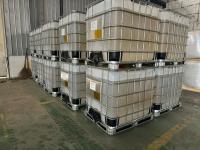


Polydadmac (poly diallyldimethylammonium chloride) is a highly effective cationic organic polymer widely used in municipal sewage treatment plants. It plays an important role in improving solid-liquid separation, enhancing sludge settling, reducing turbidity, and stabilizing overall treatment performance. Municipal wastewater typically contains a mixture of domestic sewage, organic matter, suspended solids, oils, and microorganisms. Because many of these particles are negatively charged and colloidally stable, chemical coagulation using Polydadmac significantly improves treatment efficiency.
Municipal sewage is a complex mixture of:
These components often remain stable in water due to electrostatic repulsion and small particle size, making natural sedimentation slow and inefficient without chemical assistance.
Polydadmac is a water-soluble quaternary ammonium polymer derived from diallyldimethylammonium chloride monomers. It is widely used in municipal wastewater systems due to its strong performance in coagulation and sludge conditioning.
Key properties include:
These properties make it highly suitable for diverse municipal wastewater conditions.
In wastewater treatment plants, Polydadmac is mainly used in:
Its main function is to destabilize suspended solids and improve separation efficiency.
Polydadmac works through several key mechanisms:
(1) Charge neutralization
Most particles in sewage carry negative charges. Polydadmac neutralizes these charges, eliminating electrostatic repulsion and allowing aggregation.
(2) Patch flocculation
The polymer forms positively charged “patches” on particle surfaces, which attract negatively charged particles and promote floc formation.
(3) Adsorption and bridging (in higher MW grades)
Polymer chains adsorb onto multiple particles, connecting them into larger flocs.
(4) Microfloc formation
Fine suspended solids and colloids aggregate into microflocs, which later grow into settleable flocs.
Polydadmac is added in the rapid mixing stage before primary clarifiers. It helps remove:
This reduces load on downstream biological processes.
In activated sludge systems, Polydadmac may be used to improve:
It is particularly useful when sludge bulking or poor settling occurs.
Polydadmac improves flotation performance by:
Used to concentrate sludge before dewatering by:
Polydadmac improves mechanical dewatering processes such as:
It helps form stronger flocs and improves water release.
(1) Improved solid-liquid separation
Enhances removal of suspended solids and colloids.
(2) Faster settling rate
Reduces retention time in clarifiers.
(3) Reduced sludge volume
Produces denser sludge with lower water content.
(4) Improved effluent quality
Reduces turbidity and particulate COD.
(5) Operational stability
Helps stabilize performance during load fluctuations.
(6) Compatibility with biological treatment
Reduces stress on microorganisms by removing inhibitory substances.
Typical dosage ranges:
Key influencing factors include:
Jar testing is essential for determining optimal dosage.
Polydadmac is often used with other treatment chemicals:
(1) Polyacrylamide (PAM):
Improves floc size and settling speed.
(2) Polyaluminum chloride (PAC):
Enhances coagulation efficiency and reduces chemical cost.
(3) Ferric salts:
Improve phosphorus removal and solid separation.
(4) Lime or pH adjusters:
Optimize precipitation and coagulation conditions.
This combined approach improves overall plant performance.
(1) Overdosing risk
Excess Polydadmac may cause charge reversal and reduce efficiency.
(2) Cost compared to inorganic coagulants
More expensive, though often more effective at lower doses.
(3) Sensitivity to wastewater variability
Different influent conditions require adjustment.
(4) Need for proper process control
Requires monitoring to maintain stable performance.
To ensure optimal performance:
The use of Polydadmac in municipal sewage treatment is expected to grow due to:
Future products will emphasize higher efficiency, lower dosage, and improved performance under variable conditions.
Polydadmac is a highly effective coagulant in municipal sewage treatment plants due to its strong cationic charge density, rapid reaction speed, and excellent ability to destabilize suspended solids and colloids. It significantly improves solid-liquid separation, enhances sludge dewatering, and stabilizes overall treatment performance. When properly optimized and combined with complementary chemicals, Polydadmac provides a reliable and efficient solution for modern municipal wastewater treatment systems.
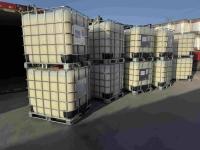
848_small.jpg "TOP three of polydadmac manufacturer in China|polydadmac for water treatment")