Our Products
coagulant / the application of polydadmac for color removal in textile wastewater
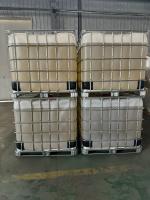


Polydadmac (poly diallyldimethylammonium chloride) is a highly effective cationic organic polymer widely used for color removal in textile wastewater treatment. Textile effluents are among the most challenging industrial wastewaters due to the presence of synthetic dyes, auxiliary chemicals, surfactants, and high levels of organic load. These dyes are often stable, water-soluble, and resistant to biodegradation, making them difficult to remove through conventional biological treatment alone. Polydadmac plays a critical role in destabilizing dye molecules, aggregating colloidal particles, and improving overall decolorization efficiency.
Textile wastewater composition varies depending on fabric type and dyeing process, but generally contains:
Dye molecules are often negatively charged and remain dissolved or colloidally stable in water, making them difficult to remove by sedimentation or biological degradation alone.
Polydadmac is a water-soluble quaternary ammonium polymer produced from diallyldimethylammonium chloride (DADMAC) monomers.
Key properties include:
These properties make Polydadmac especially suitable for rapid decolorization in textile wastewater treatment systems.
Polydadmac removes color from textile wastewater through several key mechanisms:
(1) Charge neutralization of dye molecules
Most reactive and direct dyes in textile wastewater carry negative charges. Polydadmac neutralizes these charges, destabilizing dye molecules and allowing aggregation.
(2) Adsorption and complex formation
The polymer adsorbs onto dye molecules and forms insoluble polymer-dye complexes that can be removed by sedimentation or flotation.
(3) Patch flocculation mechanism
Positively charged regions on Polydadmac interact with negatively charged dye particles, forming microflocs that trap color compounds.
(4) Entrapment in flocs
Once destabilized, dye molecules become trapped within larger flocs formed with suspended solids and organic matter, improving removal efficiency.
Polydadmac is typically used in the primary or advanced physicochemical treatment stage:
Wastewater is homogenized to stabilize flow, pH, and dye concentration before treatment.
Optimal coagulation usually occurs in pH 6–9, although Polydadmac can perform in a broader range.
Polydadmac is added to destabilize dye molecules and colloidal particles immediately upon mixing.
Gentle mixing promotes formation of larger flocs containing dye-polymer complexes.
Color-bearing flocs are removed via sedimentation tanks or dissolved air flotation (DAF) systems.
Remaining residual color may be further treated using activated carbon, oxidation, or membrane filtration.
Highly anionic dyes are effectively neutralized and removed through charge interaction with Polydadmac.
Polydadmac helps aggregate fine dye particles and improves flotation efficiency.
Works effectively in complex systems containing multiple dye types and auxiliaries.
Reduces both color and particulate COD simultaneously.
(1) High decolorization efficiency
Effectively removes visible color even at low dosage.
(2) Fast reaction speed
Immediate interaction with dye molecules reduces treatment time.
(3) Low sludge production
Compared to inorganic coagulants, produces denser and less voluminous sludge.
(4) Wide pH adaptability
Performs effectively across a broad pH range.
(5) Improved biodegradability downstream
Reduces toxic dye load, enhancing biological treatment efficiency.
(6) Easy operation
Liquid form allows simple dosing and control in continuous systems.
Typical dosage ranges:
Key influencing factors include:
Jar testing is essential to determine optimal dosage for each textile effluent.
Polydadmac is often used in combination with other treatment agents:
(1) Polyacrylamide (PAM):
Enhances floc size and improves sedimentation or flotation efficiency.
(2) Polyaluminum chloride (PAC):
Improves overall coagulation strength and reduces treatment cost.
(3) Activated carbon:
Adsorbs residual dissolved dyes after coagulation.
(4) Advanced oxidation processes (AOPs):
Used for degradation of refractory dye molecules that are not removed by coagulation.
This combined approach significantly improves overall decolorization efficiency.
(1) Limited removal of fully dissolved dyes
Some highly soluble dyes may require additional treatment methods.
(2) Overdosing risk
Excess Polydadmac can lead to charge reversal and reduced efficiency.
(3) Sensitivity to wastewater composition
Different dye formulations require optimization.
(4) Cost considerations
More expensive than inorganic coagulants but often more efficient.
To achieve optimal performance:
The use of Polydadmac in textile wastewater color removal is expected to increase due to:
Future formulations will focus on higher efficiency, lower dosage, and improved performance for complex dye mixtures.
785_small.jpg "largest polydadmac suppliers in China|polydadmac manufacturers")
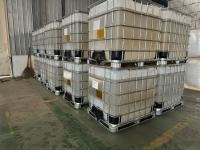
913_small.jpg "the application of polydadmac for oilfield produced water clarification")